Solang Valley, Manali: Complete Adventure Guide
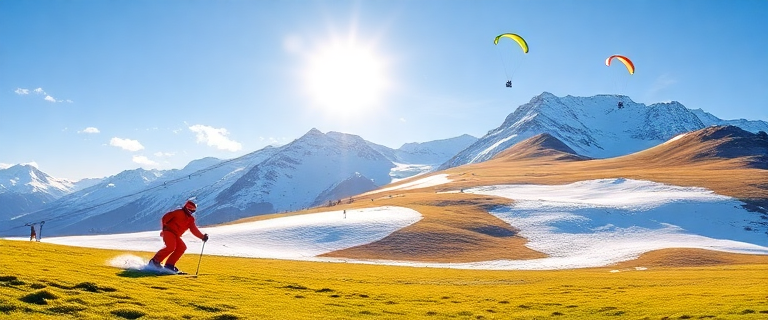
Solang Valley is a high-altitude playground carved from the side valley of the Kullu region in Himachal Pradesh. Located about 14 kilometers northwest of Manali on the way to Rohtang Pass, it becomes a year-round magnet for thrill-seekers and nature lovers alike. Sitting at roughly 8,500 feet (2,590 metres), Solang Valley shifts with the seasons—from snow-bound slopes ideal for alpine sports to open meadows perfect for paragliding, zorbing, and family adventures. This guide covers everything you need to plan a safe, satisfying visit, including location, climate, activities, ropeway experiences, safety tips, and nearby attractions.
1. Location & How to Get There
Solang Valley sits at the top of the Kullu Valley in Himachal Pradesh, India. Its coordinates are 32°18′58″N 77°09′25″E, placing it about 14 km northwest of Manali and on the route to Rohtang Pass. The valley is a short drive from Manali, with travel times and road conditions varying by season and weather. Most visitors reach Solang Valley by road—via bus, taxi, or private car. In peak seasons, roads can be busier, so starting your day early helps with parking and crowd management.
Practical note: If you’re staying in Manali, public buses connect Manali to nearby valleys, or you can hire a taxi for a more flexible schedule. The drive climbs through forested slopes and river valleys, with the Beas River often visible nearby, enhancing the scenery along the way.
2. When to Visit – Weather & Seasonal Highlights
Solang Valley offers a dual personality: a tranquil alpine landscape in summer and a winter sports hub when snow arrives. Understanding the seasonal window helps you target the activities you want and plan accordingly.
Winter window (November–February): This is the prime period for snow sports—skiing, snowboarding, and snow activities thrive as the valley dons a white mantle. Temperatures can dip below freezing, so warm layers are essential. Clear, crisp days often provide excellent visibility for photos and views of the surrounding peaks.
Summer window (April–June): As spring thaws and early summer set in, the snow recedes and the valley shifts to summer adventures. Zorbing takes center stage, along with paragliding, parachuting, and horse riding. The meadow greens up in a fresh tone, and the ropeway becomes a popular way to take in panoramic views of the valley and distant snowcaps.
Temperature ranges span from roughly −12 °C in winter to around 25 °C in the warmest summer days. Mean daily maximums in winter hover near freezing, rising into the 20s in peak summer, with cool nights in between. Rainy and monsoon periods can bring landslide risks, so planning around weather forecasts is wise.
3. Adventure Sports – What to Do Year‑Round
Solang Valley has earned its reputation as an adventure hub by offering a diverse mix of activities suited to varying risk appetites and skill levels. Across seasons, you’ll find options that range from gentle scenic experiences to adrenaline-pumping thrills. In winter, skiing and snowboarding are the headline acts, with ski schools and rental gear available on site to help beginners take a lesson and then graduate to graded runs. Snowmobiling and related activities also feature during peak snow periods.
In summer, the action shifts to zorbing—rolling downhill inside a giant inflatable ball on a roughly 200-meter hill. Paragliding offers a spectrum from gentle 15-minute flights for first-timers to longer, more exhilarating experiences for seasoned flyers. Horse riding provides a measured way to soak in the scenery, while ATV rides explore varied terrain. Always confirm gear, safety briefings, and durations at the time of booking, since some equipment and instructors are seasonal and demand can spike on weekends or school holidays.
Understanding the seasonal mix helps you tailor your itinerary to match your comfort level and the kind of experiences you want. The operator and weather conditions influence what’s available on any given day, so a little flexibility goes a long way.
4. The Solang Ropeway – Aerial Views & Practical Info
The Solang Ropeway (cable car) is a highlight for visitors who want to savor the valley from above. It lifts passengers to an altitude of about 3,200 metres (roughly 10,500 feet), offering sweeping views of Solang’s meadows, forests, and peaks. The ropeway provides a dramatic perspective on the changing landscape across seasons, especially when the peaks are dusted with snow or wrapped in morning mist.
Operating hours: Typically 10:00 AM to 6:00 PM, weather permitting. Tickets are sold for the ride up and down; there is no separate entry fee to the valley itself—visitors pay for activities and ropeway access as applicable. Views tend to be best on clear, sunny days, with early morning or late afternoon light delivering particularly striking photographs. Always ride with licensed operators, follow safety instructions, and keep hands and belongings secure during ascent and descent.
For photographers and sightseers, the ropeway adds a distinct dimension to your Solang itinerary, allowing you to compare ground-level experiences with expansive aerial panoramas.
5. Practical Tips & Safety Guidelines
While enjoying Solang Valley ensure that you use licensed operators to ensure gear and instructors meet safety standards.
Pack smart for the mountain: cash (network coverage can be patchy), sturdy shoes, warm layers, sunscreen, and a light rain jacket. In cooler months, bring extra gloves and a hat.
Check road and weather conditions before departure, as mountain weather can shift quickly and influence accessibility, especially during winter or monsoon periods. The monsoon season brings landslide risk and travel disruptions, so many operators adjust schedules or pause certain activities for safety.
Booking early during peak periods—holiday weeks and school vacations—helps secure preferred ropeway slots and popular activities. Practicing responsible travel—pack out what you bring in, respect grazing areas, and choose operators with strong local credentials—helps protect Solang’s landscape and supports the local community.
A well-planned visit reduces risk, improves safety, and enhances enjoyment. By sticking to licensed operators, paying attention to weather and road conditions, and planning ahead during busy times, you’ll have a smoother, more enjoyable experience.
6. Nearby Attractions to Combine with Solang Valley
Solang Valley sits in a region rich with day-trip potential, making it easy to expand your Himalayan itinerary. Nearby sights and activities include Rohtang Pass, Bhrigu Lake, Manu Temple, Jogini Waterfall, Nehru Kund, Beas Kund, Atal Tunnel, and Beas River viewpoints. A well-paced plan with flexible transport helps you maximize time at each stop without rushing between destinations. Staying in Manali or near Old Manali provides convenient access to both Solang Valley and these nearby attractions while offering comfortable baselines for post-adventure rest.
When pairing multiple sites, weather and road conditions should guide your plan. A driver or a flexible transport option can help you pace the day to suit you.
7. Frequently Asked Questions
What is Solang Valley known for? It is renowned for its year-round adventure sports, with winter ski sports and summer activities such as zorbing, paragliding, and horse riding, plus the Solang Ropeway for aerial views.
Where is Solang Valley located? It’s in Himachal Pradesh, India, 14 km northwest of Manali, on the route to Rohtang Pass. Coordinates: 32°18′58″N 77°09′25″E.
What is the best time to visit Solang Valley? Winter (Nov–Feb) for snow sports; spring to early summer (Apr–Jun) for paragliding, zorbing, and sightseeing. Avoid the monsoon due to landslide risk.
Are there any entry fees to Solang Valley? There is no general entry fee to the valley itself; you pay for activities and ropeway tickets as applicable.
What is the altitude of Solang Valley? About 8,500 feet (2,590 metres) above sea level.
What winter activities can I do in Solang Valley? Skiing, snowboarding, and snow-related experiences with licensed instructors and gear rental on site.
What summer activities are available? Zorbing on a 200-meter hill, paragliding (short or longer flights), horse riding, ATV rides, and ropeway sightseeing.
How does the Solang Ropeway work? It lifts visitors to roughly 3,200 metres altitude, offering panoramic views. Tickets cover the ride; ropeway operation is subject to weather and operator availability.
What safety tips should I follow for adventure sports? Use licensed operators, follow safety briefings, wear appropriate gear, and monitor weather and road conditions. Pack warm layers and cash for remote locations.
What nearby attractions can I visit with Solang Valley? Rohtang Pass, Bhrigu Lake, Manu Temple, Jogini Waterfall, Nehru Kund, and other Manali highlights.
Plan Your Solang Valley Adventure
Solang Valley blends snow-kissed peaks and high-adrenaline activities into a single, unforgettable Himalayan experience. Whether you come for the winter ski slopes or the summer thrill rides, Solang offers experiences suited for families, couples, and solo travelers alike. To maximize your trip, consider pairing a valley day with a comfortable base in Manali or in a valley guesthouse near Old Manali. If you’re planning a multi-day itinerary, Rohtang Pass and nearby trekking routes can be explored as part of a broader Himachal itinerary.
For a seamless experience, book ropeway tickets and popular activities early during peak holiday periods, and choose licensed operators to ensure safety and a smoother day. If you’re seeking a well-located base with easy access to Solang Valley and other attractions, look for accommodations that offer mountain views, warm hospitality, and helpful on-site planning resources.
Useful reference for planning: the Himachal Pradesh tourism ecosystem and official travel information provide broader context on the region, accessibility, and seasonal advisories. Official tourism portals can offer updated details on transport options, road status, and safety advisories as you prepare your trip.
Whether you’re stepping onto snow on a winter morning or watching the valley glow during an autumn sunset, Solang Valley is an adventure hub that rewards curiosity and careful planning alike. Ready to start your Himalayan itinerary? The valley awaits—with ropeway vistas, snow‑scarred slopes, and a landscape that invites both action and reflection.
Note: Always verify current operating hours, ticket prices, and safety guidelines with licensed operators and official tourism resources before your trip. This guide consolidates widely available information and commonly practiced advisories for Solang Valley, Manali.
Official Himachal Pradesh Tourism — for updated travel guidance and regional context.