The Nordic Diet: A Complete Guide to Health, Weight Loss, and Sustainability
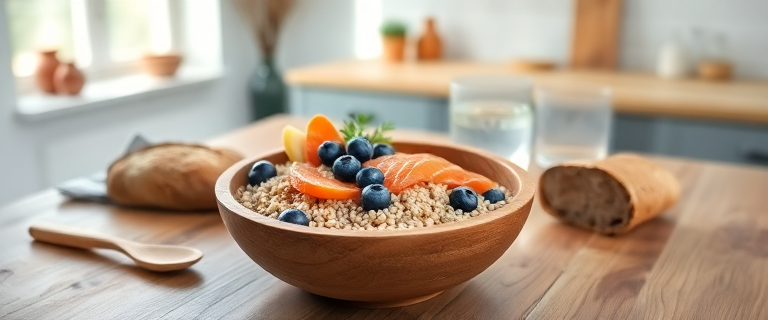
The Nordic diet is a practical, plant-forward eating approach drawn from the foods of Denmark, Finland, Iceland, Norway, and Sweden. It centers on local, seasonal produce and emphasizes seafood, whole grains, berries, and healthy fats, offering a health-focused alternative to calorie-dense, highly processed patterns. Rooted in regional nutritional guidelines and refined through collaboration with Nordic culinary leadership, this plan champions real food, mindful sourcing, and sustainability. While it follows clear guidelines, it’s adaptable to different regions and lifestyles, including vegan and vegetarian patterns that emphasize plant-based foods while prioritizing sustainability. This guide explains what defines the Nordic diet, what to eat, how it compares with other patterns, how to start, and what current science says about its benefits and caveats.
1. What Is the Nordic Diet?
The Nordic diet (often called the Scandinavian diet) is largely plant-forward and mirrors traditional eating habits in northern Europe. It emphasizes whole grains, berries, root vegetables, leafy greens, legumes, and fatty fish, with canola oil (rapeseed oil) as the primary fat. Red meat, processed foods, added sugars, and high-sodium items are limited. Its origins trace to Nordic nutritional guidelines and collaborative efforts with Nordic culinary authorities, including guidance from the Nordic Council of Ministers. The approach favors foods that grow well in cold climates, strengthening its link to seasonality and local sourcing.
Practically, the Nordic diet shares ground with the Mediterranean pattern—both promote plant-forward meals, seafood, and limited ultra-processed foods. The key differences lie in oil choice (canola/rapeseed oil in the Nordic pattern versus olive oil in many Mediterranean contexts) and a focus on staples that thrive in northern climates, such as rye, barley, oats, and a broader reliance on berries and hardy root vegetables.
2. Core Components & Food Choices
At its heart, the Nordic diet encourages high-quality carbohydrates, plant-forward meals, and regular seafood intake, while keeping red meat and processed foods modest. Below are the main categories with practical explanations and examples that show how they look in everyday cooking.
Whole-grain cereals
Rye, barley, and oats dominate this group, delivering fiber, vitamins, minerals, and antioxidants that support heart and metabolic health. Common forms include dense rye breads, barley-based dishes, and oats used in porridge or baked goods. These grains provide lasting fullness and steady energy, helping people stay satisfied between meals.
Berries and fruit
Seasonal, local berries are a hallmark, with options like blueberries, lingonberries, cloudberries, raspberries, apples, and pears featuring prominently. Berries contribute anthocyanins and other antioxidants linked to healthy blood pressure and vascular flexibility, while fruit provides fiber and micronutrients that support overall health.
Root and cruciferous vegetables
Root vegetables such as potatoes, turnips, carrots, and beets, along with cruciferous options like Brussels sprouts, cabbage, and cauliflower, supply fiber, vitamins, minerals, and anti-inflammatory phytochemicals. These foods form the backbone of many Nordic meals and help diversify flavors across seasons.
Protein sources
Fatty fish—salmon, mackerel, and herring—are central for omega-3 fats and cardiovascular protection. Legumes, eggs, and low-fat dairy (such as skyr or yogurt) add variety and steady protein. Moderate portions of lean meats and game (where available) can fit the pattern when chosen with an emphasis on quality and sustainability.
Fats and oils
Canola oil (rapeseed oil) is the primary fat, valued for its monounsaturated fats and plant-based omega-3s. Nuts and seeds provide additional healthy fats, fiber, and protein, rounding out the fat profile in meals.
Seasonality and local sourcing
The diet prioritizes seasonal and locally sourced produce to reduce transport, support freshness, and minimize waste. When regional ingredients aren’t available, flexible substitutions that preserve the spirit of the pattern are encouraged, helping maintain practicality and sustainability.
Sample meal ideas
To illustrate how these components come together, consider meals like: breakfast—oatmeal with berries and a handful of nuts; lunch—a barley and Brussels sprouts grain bowl topped with a lean protein such as smoked salmon; dinner—whole-grain pasta with fatty fish and a cabbage-and-beet side salad; snack—Skyr yogurt with a berry mix or an apple with a small handful of nuts.
3. Health Benefits Backed by Research
Current research points to several health advantages of the Nordic diet, especially for cardiovascular health, metabolic markers, inflammation, and weight management. While the evidence base continues to grow, several findings stand out:
Adherence to Nordic dietary patterns is associated with lower mortality from cardiovascular causes and overall mortality, with some analyses reporting notable reductions in premature death and cardiovascular death among those who follow the guidelines closely. Controlled studies and reviews have observed small but meaningful reductions in LDL cholesterol. Higher adherence to the Nordic pattern is linked with better blood sugar control and a lower risk of type 2 diabetes in several cohorts and trials. Some analyses indicate a substantially lower risk of non-alcoholic fatty liver disease (NAFLD) with greater Nordic diet adherence. Systematic reviews suggest that Nordic eating patterns can support weight loss and reductions in body fat and BMI when compared with non-adherent patterns. Anti-inflammatory and antioxidant components, plus fiber and omega-3 fats, may reduce chronic inflammation and improve sleep quality in certain populations.
There is also emerging evidence that aspects of the Nordic diet may support brain health through anti-inflammatory and antioxidant effects. As with all dietary science, more long-term, large-scale randomized trials are needed to confirm causal relationships and quantify effects across diverse populations. The overarching message remains: a diet rich in plant foods, whole grains, berries, and fatty fish—paired with sustainable choices and limited processed foods—supports multiple facets of health.
Note: While these findings are promising, long-term, large-scale randomized trials are still developing, and adherence levels vary across studies. The core takeaway remains the same: prioritize plant foods, whole grains, berries, and fatty fish, while limiting processed foods, in service of broad, sustainable health benefits.
In addition, some researchers highlight the practical life benefits of the Nordic pattern. Emphasizing cooking at home, sharing meals, and savoring foods mindfully can improve overall well-being and may encourage healthier daily habits through increased planning and social connection around meals.
4. Environmental Sustainability of the Nordic Diet
Beyond personal health, the Nordic diet emphasizes sustainability through local, seasonal sourcing and reduced reliance on long-distance imports. This approach helps lower transportation emissions and can reduce food waste when meals are planned around what’s in season. Legumes, root vegetables, and grains generally have smaller environmental footprints when produced locally and consumed in season. Even outside the Nordic region, you can apply the same principles by prioritizing locally grown produce, seasonal fruits, and seafood from sustainable sources, adapting to what your area offers throughout the year.
5. How the Nordic Diet Compares to Other Eating Patterns
When set beside other popular patterns, the Nordic diet shares core goals with the Mediterranean and flexitarian approaches but differs in staple choices and emphasis. Both Nordic and Mediterranean patterns prioritize plant foods, seafood, fiber, micronutrients, and healthy fats while limiting processed items. A key distinction is oil choice: canola oil is preferred in the Nordic diet, whereas olive oil is more central to the Mediterranean pattern. Climate-driven staples also diverge: the Nordic pattern centers on rye, barley, oats, potatoes, root vegetables, and hardy berries suited to cooler climates, while the Mediterranean pattern emphasizes olive oil, tomatoes, leafy greens, citrus, and warm-climate vegetables and herbs. Flexibility is a natural fit for many lifestyles, with Nordic adherence compatible with a wide range of cultural and dietary preferences when adapted to regional foods.
6. Practical Steps to Start the Nordic Diet
Turning the Nordic concept into a daily routine can be straightforward with a few actionable moves. Use these practical guidelines to begin or refine a Nordic-inspired eating plan, keeping in mind local availability, budget, and cooking skills.
- Choose whole grains as staples. Make rye, barley, and oats the backbone of your grain choices. Swap refined breads for dense, whole-grain rye varieties when possible, and incorporate barley or oats into meals through porridge, soups, or grain bowls.
- Prioritize berries and root vegetables. Include seasonal berries in breakfasts or snacks and fill plates with root vegetables at lunch and dinner to boost fiber and micronutrients.
- Incorporate fatty fish twice weekly. Aim for two servings of fatty fish such as salmon, mackerel, or herring each week. Canned or frozen options help with budget and convenience.
- Use canola oil for fats. Replace butter or heavy saturated fats with canola oil in cooking, dressings, and marinades to harness its healthy fat profile and plant-based omega-3s.
- Limit red meat and processed foods. Reduce consumption of red and processed meats, high-sugar items, and highly processed snacks to keep the pattern aligned with its health aims.
- Shop seasonally and locally where possible. Favor local markets, seasonal produce, and regionally available fish and dairy to support freshness and sustainability.
- Cook at home and plan ahead. Home cooking supports portion control, mindful eating, and social connection. When time is tight, batch-cook grains and roast vegetables to simplify weeknights.
When needed, adapt substitutions to fit your region and budget. Frozen fruit can substitute for fresh when appropriate, and flexible replacements (within the same nutrient profile) help preserve the pattern’s integrity without sacrificing practicality.
7. Common Mistakes & How to Avoid Them
While on diet planning matters. you should note these points:
- Relying on ultra-processed foods labeled as “Nordic-style.” Focus on whole, minimally processed foods rather than packaged options.
- Poor portion control. Even nutrient-dense foods can contribute to weight gain if portions are too large.
- Neglecting protein variety. Ensure regular intake of fatty fish, legumes, eggs, or low-fat dairy to avoid gaps in essential amino acids and micronutrients like B12 and iron.
- Mercury concerns with certain fish. Balance portions and diversify species to limit contaminant exposure.
- Potential nutrient gaps. Consider fortification or supplementation if needed in vegetarian or vegan patterns or specific life stages; consult a clinician or dietitian.
8. Frequently Asked Questions
- What is the Nordic diet?
- The Nordic diet is a plant-forward eating pattern from the Nordic countries that emphasizes whole grains, berries, vegetables, fatty fish, legumes, and canola oil, with a focus on seasonal, local foods and limited processed items.
- What foods can you eat on the Nordic diet?
- Whole grains (rye, barley, oats), berries, root and cruciferous vegetables, fatty fish, legumes, nuts, canola oil, low-fat dairy (like skyr), and eggs in moderation.
- What foods should you avoid on the Nordic diet?
- Red meat (non-game), processed meats, added sugars, high-salt items, highly processed foods, and foods out of season or not locally available when possible.
- Is the Nordic diet good for weight loss?
- It can support weight loss by prioritizing high-fiber, low-calorie-density foods (fruits, vegetables, whole grains) and protein sources that promote satiety. Individual results vary based on total intake and activity.
- How does the Nordic diet compare with the Mediterranean diet?
- Both emphasize plant foods and seafood and limit processed foods. The Nordic pattern uses canola oil and centers on cold-climate staples (rye, barley, oats, berries) rather than the Mediterranean’s emphasis on tomatoes, olives, and olive oil. Flexibility allows adapting core principles to local foods.
- What are the environmental benefits of the Nordic diet?
- Local sourcing and seasonal planning reduce transportation emissions and food waste, contributing to a lower environmental footprint compared with diets that rely on long-haul imports and highly processed foods.
Disclaimer: For personalized medical or dietary advice, consult a registered dietitian or healthcare professional, especially if you have chronic health conditions, pregnancy, or nutrient concerns.