
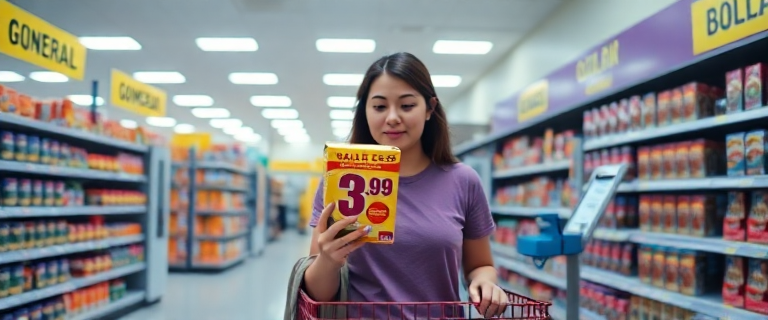
FTC and 20 States Sue Dollar General Over Alleged Systemic Overcharging
The Federal Trade Commission (FTC) and a coalition of 20 state attorneys general filed a federal lawsuit against Dollar General Corp. on October 26, 2026. They allege systemic overcharging at more than 21,000 Dollar General stores, spanning a period from 2019 through March 2026. The plaintiffs report nearly 30,000 consumer complaints and millions of dollars in alleged overcharges. Dollar General has not publicly responded to the filing at this time, according to the materials describing the case.
The enforcement action presents a coordinated effort by federal and state authorities to curb price-label discrepancies that mislead shoppers. The complaint portrays the conduct as deceptive and unfair under consumer-protection laws, with the FTC describing the case under headings for deceptive/misleading conduct and Advertising and Marketing. A connected matter identified in FTC materials, the Dollar General Shelf Pricing case, is noted as related, though the current filing stands on its own in detailing the alleged pricing misconduct.
What the case alleges and the legal backdrop
According to the public materials, the plaintiffs contend that Dollar General’s shelf labels and price tags often diverged from what customers actually paid at checkout. This discrepancy, they say, constitutes deceptive and unfair business practices. While the materials summarize the claims as consumer-protection violations, the exact statutory provisions or FTC Act references are not named in the publicly available summaries. The complaint itself is the primary source for identifying the precise legal theories and statutory bases, and the agencies have not published those specifics in the available summaries.
Beyond the alleged mislabeling, the plaintiffs point to a broader enforcement narrative, arguing that seven prior state settlements with Dollar General illustrate a pattern of conduct. Those settlements are used to frame the current action as part of an ongoing enforcement effort rather than a one-off incident. As described in the filing, the scope includes a nationwide store network, underscoring the potential reach of any remedy the court might order.
Because the case will unfold in the federal court system, readers should note that the court name, docket number, and other procedural details are not confirmed in the material summarized here. Such details typically appear in the complaint and subsequent court filings as the case progresses.
What this means for consumers
At stake is whether customers were charged more than the advertised shelf prices. The consumer impact hinges on the court’s eventual ruling and any settlement or consent decree that follows. For shoppers who suspect overcharges, the practical takeaway is to document experiences carefully: keep receipts, note the product description, store location, and the dates when shelf labels did not match checkout totals. While the plaintiffs seek broad relief, the actual remedies—whether restitution, penalties, or injunctive relief—will be determined by the court and any final agreements reached with the parties.
In addition to litigation, consumers can engage with official enforcers who handle fraud and refunds. The FTC maintains channels for reporting fraud and accessing consumer-protection resources, including avenues for restitution programs if restitution is ordered. State attorney general offices also handle consumer complaints and can provide guidance on pursuing remedies at the state level. Before acting, readers should confirm the official complaint texts and consumer guidance on the FTC and state AG websites to ensure they follow the proper formal channels.
For readers seeking primary-source confirmation, the FTC’s public materials on the suit and the related Dollar General Shelf Pricing case page provide the connected filings and docket information. Because the exact URLs and docket details can change, verify the links on the agencies’ official pages before acting on any guidance.
Context: prior settlements and enforcement history
The complaint’s framing references seven prior state settlements as part of a broader enforcement pattern. The article does not enumerate the states or summarize each settlement’s terms, but Bloomberg’s coverage corroborates the notion of a repeated enforcement theme. Readers who want a precise history will need to consult the complaint and the associated court records for the list of states, dates, subject matters, and outcomes.
Status, next steps, and practical implications
The case is expected to proceed through the federal court system, with standard litigation steps such as discovery, potential injunctive relief, and possible settlements or consent decrees. At this point, the specific federal court, case number, and docket have not been confirmed in the public summaries, so readers should monitor official court entries and FTC releases for definitive procedural milestones. The progression of the case will determine the scope of any refunds, civil penalties, or ongoing corrective measures that shoppers might ultimately see.
Primary sources and how to verify claims
Readers seeking verification should consult the FTC’s official press materials announcing the suit and the Dollar General Shelf Pricing case page, which together provide the connected filings and references used in the complaint. As with any evolving litigation, confirm the exact statutes claimed and the relief requested from the complaint itself once it is accessible through the court records and the FTC’s case-tracking resources.
Note: URLs and docket details should be verified on the FTC’s official site and the court’s public records page before relying on them for any action.
What shoppers can do now
Keep receipts for Dollar General purchases, compare shelf labels with checkout totals, and document any discrepancies with dates and store locations. If you believe you were overcharged, file a formal complaint with the FTC and with your state attorney general’s office. The FTC’s consumer-protection resources and any applicable refund programs can guide you on how restitution might be issued if a court orders it. Always verify the official channels and URLs before submitting complaints.