
Día de Muertos / Day of the Dead: A Comprehensive Guide to Its Meaning, History, and How to Participate Respectfully
Día de Muertos, commonly rendered as Día de Muertos or Día de los Muertos in Spanish, is a two‑day Mexican and Mexican‑American tradition that centers on remembrance, family, and community. It unfolds on November 1 and November 2, with the first day traditionally dedicated to the spirits of deceased children and the second for adults. The observance blends Indigenous beliefs, Catholic customs, and modern cultural expressions, and it is celebrated in homes, cemeteries, and public spaces across Mexico and the United States.
What Día de Muertos is and why it matters
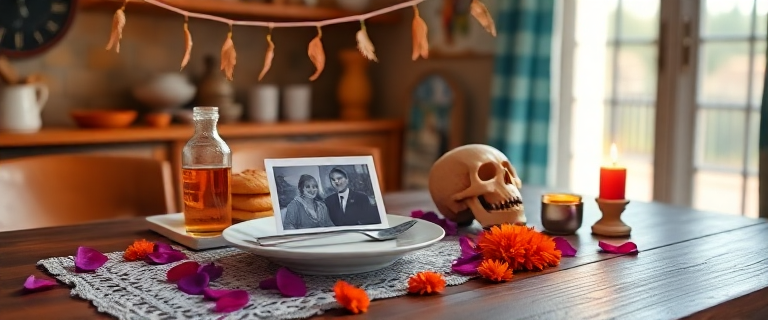
At its core, Día de Muertos is about inviting and honoring the souls of the departed so they may return for a visit. Homes and public spaces become altars—ofrendas—rich with photographs, favorite foods and beverages, marigolds, papel picado, candles, and personal mementos. The ritual storytelling and shared meals help families remember their loved ones and pass cultural values to younger generations. The presence of decorative skulls, vibrant colors, and communal gatherings signals a celebration of life as much as a memory of the dead.
The two‑day division matters: November 1 is associated with children, often called Día de los Angelitos, while November 2 honors adults. This calendar logic shapes what families place on their altars—toys and sweets for the younger spirits, and beverages like tequila or mezcal for adults—alongside a common set of symbolic offerings that appear on most day‑of‑the‑dead altars.
Origins, history, and the enduring debate
Mexican academics remain divided about whether the festival has deep Indigenous roots or arose in a more modern form during the 20th century. A central point of debate concerns whether the Day of the Dead represents a syncretic blend of Indigenous and Catholic elements or a reformatted national expression with a more European influence.
Some scholars argue for a syncretic evolution, while others contend that certain elements were later emphasized or reinterpreted for political or nationalist ends. For instance, Elsa Malvido has described the tradition as a Cardénist invention that foregrounds indigenous iconography and the theme of death, while Agustín Sánchez González emphasizes continuities with European Danse macabre imagery. Octavio Paz is associated with a view that unity across centuries and civilizations can be read in the Day of the Dead, though this is contested in modern scholarship.
Ruben C. Cordova highlights how Spanish colonial forces and later nationalist projects shaped the festival’s contours, noting that skull imagery and other symbols were repurposed for Catholic ritual as well as for national identity. He points to the way Aztec skull symbolism could be reinterpreted as a memento mori within Catholic spaces. Regardless of origin, by the late 20th century Día de Muertos had become a national symbol taught in schools and celebrated across Mexico, with UNESCO recognizing it in 2008 as an intangible cultural heritage worthy of protection.
In short, the festival’s origins are complex and debated. The most important point for readers is not a single line of origin but rather an understanding that the holiday has evolved through dialogue among Indigenous, Hispanic, and modern Mexican voices. That evolution is itself part of what makes Día de Muertos a living, dynamic observance today.
Symbols, objects, and the anatomy of an ofrenda
An ofrenda is more than a decorative table. It is a carefully structured display that connects the living with the dead through symbolic meaning. The basic components—photos, the departed’s favorite foods and drinks, marigolds (cempasúchil), papel picado (cut tissue paper), and candles—serve as a bridge between worlds. The four natural elements are often invoked: water for quenching thirst on the journey home, wind represented by papel picado, fire by the candles that light the way, and earth through food offerings.
Food and drink are central: pan de muerto, candied pumpkin, and sugar skulls (calaveras) appear alongside beverages such as atole, pulque, tequila, or mezcal, depending on local custom and the departed’s preferences. Many families also place personal tokens and mementos that tell a story about the person who has died.
The belief that spirits drink the essence or blessing of the food and drink on the altar is commonly cited in public descriptions of the practice. In some places, blankets and pillows are left out to symbolize rest after the long journey of the dead. Across the landscape, regional variations shape what lives on the table and how the living greet the visiting souls.
What the observance looks like in Mexico
In Mexico, the Day of the Dead is expressed through home altars, cemetery visits, and public displays. Families clean and decorate graves, and communities build grand altars in urban centers, museums, schools, and churches. Marigolds, candles, and decorative calaveras (skulls) illuminate the nights, and the food economy around the holiday—pan de muerto, tamales, and the many regional dishes—becomes a shared cultural experience.
The holiday also features calaveras literarias—rhymed epitaphs or satirical verses published in newspapers or composed for classrooms—along with calaveras (skulls) and calaveritas (little skulls) that take many forms in art, crafts, and costumes. The most recognizable figure is La Calavera Catrina, a skeletal image that originated as social critique but has become a nationalist emblem and a central motif in public celebrations. The Catrina’s evolution—from José Guadalupe Posada’s Garbancera image to Diego Rivera’s broader appropriation for modern Mexican identity—illustrates how symbols morph to reflect changing social meanings.
Public parades and exhibitions—fostering a national conversation about death, memory, and community—have become important features of Mexico’s Día de Muertos in recent decades. While some communities hold nocturnal vigils at cemeteries, others stage large, art‑driven installations in city squares, museums, and parks.
Regional practices and local color in Mexico
The Day of the Dead is not a monolith; traditions shift from town to town. For example, in Mixquic, Pátzcuaro, and Janitzio, people spend the long nights near graves, sharing food and remembering loved ones. Ocotepec near Cuernavaca opens its doors to visitors in exchange for veladoras (candles), with hosts offering tamales and atole in return. In Ocotepec, the exchange creates a social gathering that centers on elaborate altars and communal hospitality.
La Danza de los Viejitos (Dance of the Old Men) features young people in playful, energetic performances, while in Janitzio the midnight boat journeys (mariposas) to the island’s cemetery are a dramatic, landscape‑level expression of remembrance. Such examples reveal how regional practices can illuminate the diversity of the Day of the Dead across Mexico.
Catrina, calaveras, calaveritas literarias, and related traditions
La Calavera Catrina, originally a political cartoon by José Guadalupe Posada, was later rehabilitated by Diego Rivera to symbolize Mexican nationalism. Today, the Catrina appears in public art, costumes, and festival mascots, giving the holiday its iconic look. The broader Catrina phenomenon has extended beyond Day of the Dead into contemporary art, fashion, and design.
Calaveras (skulls) and calaveras literarias (satirical poems) are distinct yet interconnected traditions. Calaveras are skull representations in masks, candy skulls, and decorative motifs used to greet the dead. Calaveritas are lighter, often playful verses published in newspapers or written for school assignments that poke fun at living people. The three traditions—calavera, calaverita, and calaveras literarias—each contribute to the holiday’s texture and public imagination.
Participation guidance: how to join respectfully
Building an ofrenda is a practical way to participate that also invites deeper understanding. While the core ideas—honoring loved ones, sharing the departed’s favorites, and inviting souls home—hold across the country, readers should approach the practice with reverence and curiosity. A few guiding questions can help: what did the departed love, and how can that be honored in a respectful display? How can a visitor contribute to a public altar without crowding or disrespecting a private family space?
In practice, this means handling altar spaces with care, following event photography guidelines, asking before adding a name or memory in a public setting, and avoiding disruption of ongoing rituals. For readers traveling to public celebrations or museums, participating in workshops—such as making paper flowers or sugar skulls—offers a hands‑on way to learn and contribute meaningfully.
Observances outside Mexico: the U.S. perspective
In the United States, Día de Muertos exists as a vibrant, community‑driven observance that blends Mexican and Mexican‑American expressions. The Chicano Movement of the 1960s–70s helped broaden the holiday from private family shrines to public altars and cultural exhibitions. The Galería de la Raza in San Francisco and Self Help Graphics & Art in Los Angeles were among the earliest venues to present altar exhibitions and public art that celebrated Día de Muertos as a community expression rather than solely a family ritual.
Across California, Texas, New Mexico, and beyond, U.S. celebrations frequently mix traditional elements with contemporary art forms, political expressions, and cross‑cultural exchanges. In cities such as Los Angeles and San Francisco, public altars sit alongside art installations and performances, while in Santa Ana and San Antonio, community‑driven events and riverfront parades bring the festival into a broader public sphere. Hollywood Forever in Los Angeles, a venue that has hosted Día de Muertos events, illustrates how contemporary venues integrate traditional symbols with broader cultural programming.
Global connections: related observances around the world
Día de Muertos has inspired parallel traditions in other countries, each with its own local rituals. In Guatemala, giant kites are flown on November 1 to guide spirits home. In Ecuador, communities observe colada morada and guaguas de pan, and in Bolivia, the Día de las Ñatitas centers on skulls kept for protection and blessing. Belize marks Hanal Pixan with family altars and offerings, while the Philippines observes Undás and All Saints’/All Souls’ Day with prayers, candles, and food for departed kin. In Italy and Sicily, All Souls’ Day is celebrated with regional foods and commemorations that echo some Day of the Dead‑style practices. These brief connections show how communities worldwide remember their ancestors in ways that echo the core idea of returning and honoring the dead.
In popular culture and public memory
The Day of the Dead has permeated film, music, and visual arts, contributing to a broader cultural imagination of death as a part of life rather than a time of fear. Public art and mass celebrations in major cities—alongside school activities, museum installations, and community parades—reflect a living tradition that remains relevant across generations.
Is Día de los Muertos the same as Halloween?
No. Día de Muertos is not a Mexican version of Halloween. While both holidays occur near the same dates and may feature skull motifs and costumes, Día de Muertos centers on remembrance, family, and community—often with a respectful and festive tone—whereas Halloween emphasizes mischief, costumes, and candy in a distinctly different cultural frame. The heart of Día de Muertos is memory, connection, and the honoring of ancestors, whereas Halloween has different historical roots in European harvest and folk traditions.
A concise distinction like this helps readers avoid conflating the two and underscores the importance of respectful participation when engaging with Day of the Dead celebrations.
FAQs: quick takeaways for readers
What is Día de Muertos in San Antonio? A city‑wide cultural celebration honoring loved ones through parades, community altars, music, dance, and culinary experiences.
Is Día de los Muertos accessible and family‑friendly? Yes. Most celebrations—including civic spaces and museums—offer activities for all ages, including crafts and workshops.
Can I see traditional altars during celebrations? Absolutely. Community altars and ofrendas are displayed city‑wide at missions, plazas, and cultural centers during the season.
Is Día de Muertos in the U.S. similar to Mardi Gras? Not in purpose or mood. Día de Muertos blends remembrance and cultural heritage with art and community, whereas Mardi Gras is often characterized by carnival‑style festivities. Think of Día de Muertos as a culturally rooted remembrance festival with strong familial and communal ties.
Plan your respectful engagement
If you’re visiting events in Mexico or the United States, plan with sensitivity. Honor the living as you engage with the dead’s memory: observe etiquette around altars, ask before taking part in a hands‑on activity, and respect photographers’ guidance at public installations. When in doubt, follow organizers’ instructions and participate in activities designed for visitors with curiosity and care.
Further reading and references
For readers who want to explore the Day of the Dead more deeply, consider sourcing a mix of scholarly and museum materials. The discussion around Indigenous roots versus Catholic influence, the Catrina’s evolution, and the global reach of the observance provides a nuanced picture of a holiday that continues to evolve in the 21st century.