
What Time Does Trick-or-Treating Start on Halloween? A Practical Guide for 2026
Halloween timing is a local affair. While many communities default to a general 5–8 p.m. window, actual start and end times vary by city, neighborhood, and year. This guide consolidates typical hours, explains how weekend dates and daylight saving time affect plans, and offers practical planning tips to help families of all ages.
Typical trick-or-treat hours and how to plan
There isn’t a universal start time for trick-or-treating across the United States. The most common window remains 5 p.m. to 8 p.m., with some neighborhoods starting a little earlier to catch daylight, and others extending into the early evening, especially when Halloween falls on a weekend or when weather is favorable. Weekends and pleasant weather can push activity later into the evening, while younger children often begin closer to sunset. It’s important to treat 5–8 p.m. as a general guideline rather than a hard rule, and always look for porch lights as the clearest signal that a home is participating in Halloween greeting hours. If porch lights are off, residents typically aren’t handing out candy.
Specific yearly circumstances can shift these patterns. For example, Halloween 2026 falls on a Saturday, which can lead to later starts or longer evenings for some families. Additionally, Daylight Saving Time ending overnight can make sunset occur earlier on Halloween night, which may influence when households feel comfortable starting or continuing trick-or-treating.
City-by-city snapshots: typical hours for 2026
Because timing is highly local, use the following representative windows as a starting point, then verify with your city or neighborhood announcements. Times vary by street and block, so always check local sources on the day itself.
| City | Typical trick-or-treat hours |
|---|---|
| Atlanta | 5:00 p.m. – 9:00 p.m. |
| Boston | 5:00 p.m. – 8:00 p.m. |
| Buffalo | 5:00 p.m. – 8:00 p.m. |
| Charleston | 5:30 p.m. – 9:00 p.m. |
| Chicago | 3:00 p.m. – 7:00 p.m. |
| Cincinnati | 6:00 p.m. – 8:00 p.m. |
| Cleveland | 6:00 p.m. – 8:00 p.m. |
| Dallas | 5:00 p.m. – 7:00 p.m. |
| Denver | 3:30 p.m. – 7:00 p.m. |
| Houston | 5:00 p.m. – 9:00 p.m. |
| Indianapolis | 5:30 p.m. – 9:00 p.m. |
| Los Angeles | 6:00 p.m. – 8:30 p.m. |
| New York City | 3:00 p.m. – 8:00 p.m. |
| Philadelphia | 6:00 p.m. – 8:00 p.m. |
| Phoenix | 5:00 p.m. – 7:30 p.m. |
| Pittsburgh | 6:00 p.m. – 8:00 p.m. |
| San Antonio | 4:30 p.m. – 10:00 p.m. |
| San Diego | 5:00 p.m. – 8:00 p.m. |
| San Jose | 5:00 p.m. – 9:00 p.m. |
| Seattle | 4:00 p.m. – 7:00 p.m. |
| Washington, D.C. | 5:30 p.m. – 9:00 p.m. |
Note: Neighborhoods vary widely. Always confirm times with local police, city announcements, or the homeowners’ association for your area.
A simple, age-based planning framework
Deciding when to start trick-or-treating can feel easier with a quick age-based rule of thumb. If your child is younger than six, starting around 5:00–5:30 p.m. can keep daylight and energy levels balanced. For children aged six to twelve, a start time around 5:30–6:00 p.m. helps them enjoy the evening as it gets darker. Teens are often best served starting after dusk, roughly around 7:00 p.m., to capture a more festive atmosphere while staying within safe lighting conditions. Regardless of age, following porch-light cues remains crucial: if a house’s porch light is off, it’s usually best to move on.
Sunset, daylight saving, and practical timing
Sunset times influence when many families begin trick-or-treating. In practice, many families use sunset (often around 5:30–6:30 p.m. locally) as a cue to start, with the window extending to earlier or later as daylight lasts. Daylight Saving Time can shift these patterns; when DST ends, earlier sunset can tempt earlier starts, while some families may shift later if Halloween falls on a weekend. To plan accurately, check your local sunset time for Halloween and adjust your start time accordingly.
What to do if your neighborhood isn’t participating
If porch lights aren’t on in your area, you’re not out of luck. Consider trunk-or-treat events at local schools, churches, or shopping centers, or look for mall-hosted Halloween activities with set hours. Asking other parents about which neighborhoods are friendlier for Halloween can reveal practical options beyond your own block. This approach is common in many communities and can help keep the night fun and inclusive.
Safety cues you can rely on all night
One of the most reliable safety signals is porch lights. Only approach houses with porch lights on; a dark porch usually means the resident isn’t participating or has run out of candy. Make this cue a central part of planning and remind younger children to stay on well-lit routes. Carrying a flashlight or glow sticks, wearing reflective or bright costumes, and staying in groups all contribute to a safer, more enjoyable evening.
Teal Pumpkin Project: supporting kids with food allergies
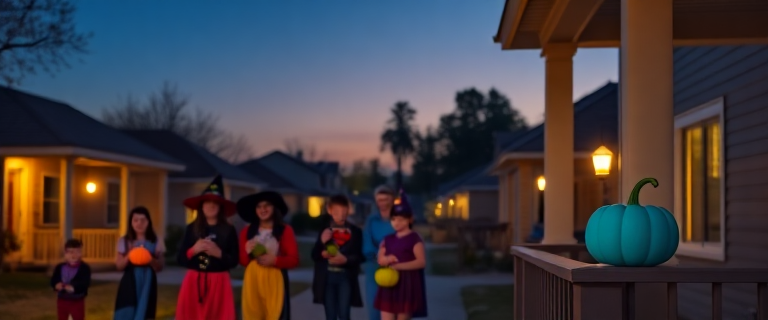
The Teal Pumpkin Project, an initiative from Food Allergy Research & Education, promotes inclusive trick-or-treating by offering non-food options. Families can participate by stocking non-food items and displaying a teal pumpkin to signal inclusive options. To help families with allergies plan ahead, add your house to the Teal Pumpkin Project Map online before heading out. Look for a teal pumpkin as a sign that non-food treats are available.
Candy buybacks and donations
If you have surplus candy, there are practical ways to repurpose it. Candy buyback programs partner with local dental offices and businesses to purchase extra candy for cash, coupons, or prizes. Local dentists may host buyback events, and some offices run their own programs. Community organizations also accept unopened candy donations to support various charitable efforts. If you’re considering participating, check listings for buyback opportunities in your area.
When to call it a night: flexibility beyond the clock
While many families plan for a return window, practical cues also matter. Some households stop handing out candy once their supply runs out, which may be before 8 p.m. If you notice porch lights turning off across your route, it may be time to head home. Use these signs in addition to a fixed time to tailor your night to your neighborhood’s realities.
Urgent safety reminder
Across general guidance and local practice, there is a real safety context to Halloween timing. Pedestrian fatalities are higher on Halloween in some studies, which underscores the value of starting earlier in daylight and staying in well-lit, populated areas. Use daylight when available and keep an eye on younger children as dusk approaches.
Practical planning wrap-up
To make the most of Halloween trick-or-treating, connect timing to local data, daylight, and porch-light cues. Start times and end times are best understood as location-specific, not universal. If you’re unsure, check with local authorities or community announcements for the exact hours on Halloween night. A thoughtful plan, age-appropriate start times, and clear safety practices can help ensure a fun, stress-free evening for your family.
Why this guidance helps readers
We’ve organized timing guidance around what families actually need: local start and end times, practical planning by child age, safety signals (porch lights and daylight), and realistic options when neighborhoods don’t participate. The approach emphasizes actionable steps you can take tonight—confirm local hours, tailor a plan to your child’s age, and stay safe with clear cues and safety tips.