
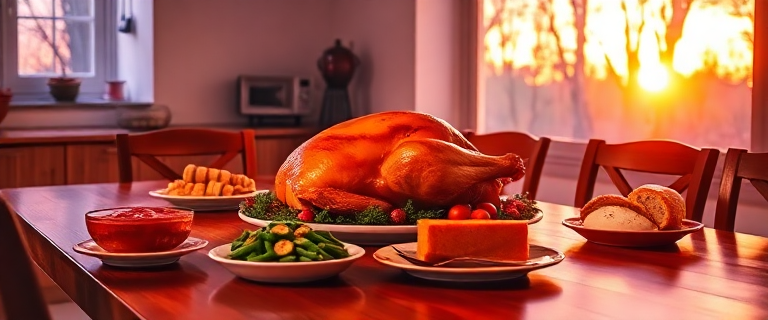
Thanksgiving Day 2026: Plan, Menu, and a Flexible Preparation Timeline
Thanksgiving in the United States is observed on the fourth Thursday of November. For 2026, that date is Thursday, November 26.
Date, Observance, and Travel Context
Thanksgiving 2026 falls on November 26, a date fixed by the longstanding pattern of celebrating on the fourth Thursday of November. The holiday’s status as a federal observance has evolved over history, with early proclamations by presidents and Congress establishing national recognition in varying forms before the formal law fixed the fourth Thursday in 1941. Today, Thanksgiving is not only a family gathering and feast but also a major travel period, a kickoff to the holiday shopping season, and a focal point for parades, football, and national traditions such as the Presidential Turkey Pardon.
Because Thanksgiving week is among the busiest travel periods in the United States, readers planning trips should expect congestion and aim to book transportation early. Local traffic and events—parades, football games, and related celebrations—can affect drive times and schedules.
A Note on Perspective
In planning a modern Thanksgiving, it’s important to acknowledge that the holiday sits at a crossroads of celebration and controversy. Some Native American communities observe the National Day of Mourning on Thanksgiving as a critique of the traditional narrative, highlighting the impact of European settlement on Indigenous peoples. A balanced planning guide respects these perspectives while helping readers organize a meaningful and enjoyable celebration for 2026.
Key Traditions That Shape the Day
Two enduring anchors of the Thanksgiving experience are parades and football. The Macy’s Thanksgiving Day Parade, staged in New York City, has become a national spectacle that signals the start of the holiday season for many families. In football, the Detroit Lions and the Dallas Cowboys have long hosted Thanksgiving Day games, providing a shared ritual for fans across the country. In addition, the Presidential Turkey Pardon has become a symbolic ceremony marking the president’s annual mitigation of the turkey’s fate. Finally, Turkey Trots—Thanksgiving morning road races held in many cities—have grown into a popular morning tradition for families and fitness-minded readers alike.
Menu Planning: A Structured Approach
Rather than presenting a static list of dishes, plan the menu with a concise guide that helps you prioritize based on popularity, prep time, and guests’ needs. For a foolproof classic, start with staples that are widely loved and can be prepared ahead. For a lighter option, consider substitutions or dishes that can be made in advance or served at room temperature. Green bean casserole remains a traditional favorite for its creamy texture and make-ahead convenience, while a hearty vegetarian main can satisfy guests who don’t eat turkey. Sticking to a coherent set of core dishes reduces last-minute stress and keeps the meal cohesive.
To aid decision-making, think in terms of three categories: traditional favorites, lighter or alternative mains, and practical shortcuts. Traditional staples provide comfort and familiarity; lighter or alternative mains offer inclusivity; and smart shortcuts save time without sacrificing taste. For example, a well-chosen vegetarian main can complement the turkey while ensuring guests with dietary preferences have a satisfying centerpiece. Store-bought shortcuts—when chosen carefully and used strategically—can free up time for finishing touches and dessert.
As you build your menu, consider these guiding ideas: “For a classic, reliable lineup, include turkey, a creamy side, a bright vegetable, cranberry sauce, and pie.” “For a lighter option, add a vegetarian main and one or two lighter sides.” Briefly explain why a dish is traditional or helpful—green bean casserole for make-ahead convenience, for instance—so readers understand the value of each choice. The goal is a clear, curated plan that makes sense for your guests and your schedule.
Flexible Preparation Timeline: Plan by Dinner Time
The timeline should be anchored to your target dinner time and then work backward, rather than prescribing fixed hours. This approach accommodates different dinner times and varying turkey sizes. If you’re aiming for a 5:00 pm dinner, you would start the turkey earlier than if you were serving at 7:00 pm, and you adjust side dishes accordingly so everything comes together smoothly. The planning mindset is: determine the dinner time, then work backward from it, factoring in roast times, resting periods, and make-ahead steps.
In practice, use a flexible framework such as: determine your target dinner time, then estimate roasting time based on the bird’s weight, plan oven occupancy to accommodate sides, and allow extra time for rest and finish work. For example, if you plan to eat at 5:00 pm, you might schedule turkey roasting to begin several hours earlier, with sides and desserts following a complementary sequence. If dinner is at 7:00 pm, shift the timeline accordingly. The key is to have a workable schedule that emphasizes backward planning from dinner time rather than rigid clock hours.
Beyond the turkey, include a buffer for any unexpected delays and ensure you have serving pieces, garnishes, and desserts ready with time to spare. A practical plan like this reduces stress and helps ensure everyone, including the cook, can enjoy the day.
A Quick Planning Guide: Practical Needs at a Glance
Turkey math is a handy shorthand: plan for about 1 to 1.5 pounds of turkey per person, depending on appetite and the number of leftovers you want. For vegetarian guests, a robust vegetarian main—such as a mushroom-based centerpiece or a hearty soup—can be a satisfying alternative. Smart shortcuts are widely accepted time-savers: use store-bought pie crust, pre-made rolls, and high-quality canned cranberry sauce to save prep time without sacrificing flavor. These decisions help you balance tradition with efficiency and accommodate guests’ dietary preferences.
The Numbers Behind the Feast
Public data often highlight the scale of Thanksgiving: about 40 million turkeys were consumed on Thanksgiving Day in 2019, and a large portion of the U.S. population participates in the meal. An estimated 276 million Americans ate turkey on Thanksgiving in 2024, with turkeys and related groceries forming a substantial share of holiday spending—figures commonly cited in industry and public-history sources. These numbers underscore the national scale of the holiday and the practical planning considerations that readers face when hosting or participating in Thanksgiving. Citations from relevant industry and historical sources support these figures, and they are commonly presented with the understanding that Thanksgiving remains one of the most-watched and most-attended culinary occasions in the United States.
Travel, Traffic, and What to Expect
Thanksgiving week is one of the busiest travel periods in the United States. If you are flying or driving, book early and expect heavy traffic, particularly on the Wednesday before and the Sunday after Thanksgiving. This reality shapes how you schedule shopping, prep, and celebrations. Planning ahead for travel reduces stress and protects time for cooking, hosting, and savoring the day with loved ones.
History Highlights and Foundational Context
Thanksgiving’s national identity grew from a mix of early harvest celebrations and formal proclamations. The United States saw the first national Thanksgiving proclamations during the early decades of the republic, with George Washington designating a day of Thanksgiving in 1789, and Abraham Lincoln declaring a national Thanksgiving during the Civil War in 1863. In 1941, Congress fixed Thanksgiving as the fourth Thursday of November, ensuring a uniform date nationwide. Public memory often centers on the Pilgrims and Plymouth, yet the holiday’s evolution reflects broader American history, including debates over the date and the ways communities observed thanksgiving across the centuries.
Two related historical threads are especially relevant for thoughtful planning. First, the campaign led by Sarah Josepha Hale in the 19th century helped popularize a standardized Thanksgiving celebration in the United States. Second, the period of “Franksgiving” (1939–1941), when the date fluctuated before Congress settled on the fourth Thursday, explains why the modern pattern is the fourth Thursday rather than a fixed late November date. These details illuminate why readers should understand both tradition and the politics of the holiday’s date.
Presidential Turkey Pardon, Parades, and More
The modern Thanksgiving landscape includes the Presidential Turkey Pardon, a tradition that evolved in the mid-20th century and has continued as a symbolic gesture of mercy and national unity. Turkeys have also been part of a broader set of holiday observances, including large parades and football games that are widely covered across the country. Additionally, a growing array of Turkey Trots events on Thanksgiving morning adds a family-friendly activity that complements the day’s feasting. These elements collectively shape the contemporary Thanksgiving experience and provide context for planning, timing, and entertainment on Thanksgiving 2026.
Frequently Asked Questions (Expanded)
Is Thanksgiving a federal holiday? Yes. Thanksgiving is recognized as a federal holiday, with government offices typically closed. The date was fixed by law in 1941 as the fourth Thursday in November. What is Black Friday? It is the shopping-focused day following Thanksgiving, traditionally the start of the Christmas shopping season.
Why do we eat turkey on Thanksgiving? Turkey has become the centerpiece of traditional harvest feasts in parts of North America, with the modern holiday integrating diverse regional flavors and traditions over time. What is the National Day of Mourning? It is an alternative observance by some Native American communities that critiques the traditional Thanksgiving narrative and honors Indigenous histories and experiences.
How much turkey should I buy per person? A common guideline is 1 to 1.5 pounds of turkey per person, adjusted for appetites and the number of leftovers you want. What about vegetarian guests? Include a hearty vegetarian main as part of your plan so guests have a satisfying centerpiece option beyond turkey.
Should I plan for travel on Thanksgiving week? Yes. Thanksgiving is one of the busiest travel periods in the country, so book early and prepare for congested travel and busy airports and highways.
Putting It All Together for Thanksgiving 2026
With the date secured—Thursday, November 26, 2026—you can build a practical, enjoyable plan that respects traditions while accommodating modern needs. Start by confirming your dinner time and then work backward to determine when to begin turkey and when to schedule sides and desserts. Build a curated menu that blends classic favorites with inclusive options, and use a flexible timeline that adapts to bird size and guest timing. Include propitious moments for travel, shopping, and guest contributions to reduce stress and keep the day festive for everyone—especially the host. And remember, the day can be rich with meaning beyond the feast: it can honor history, celebrate togetherness, and welcome the season with gratitude.