Intermittent Fasting and the Mediterranean Diet: Combining Approaches for Optimal Health
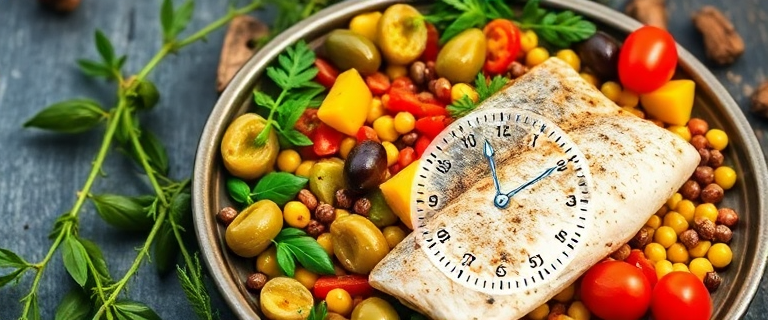
Mediterranean Diet Framework for Nutrient Timing
At its core, the Mediterranean diet rests on a whole-food foundation that prioritizes plant-based foods and healthy fats. In practice, that means meals built around vegetables, fruits, legumes, and whole grains, with olive oil serving as the primary source of fat. Protein is typically sourced from fish and other seafood, complemented by modest portions of dairy and occasional poultry. The focus is not merely on what you eat, but on how those foods support sustained energy, fullness, and nutrient intake within your eating window. For a deeper dive into the diet’s components, see the Mediterranean diet principles.
Core Principles of the Mediterranean Diet
- Plant-based foods form the central part of meals, including vegetables, fruits, legumes, and whole grains.
- Healthy fats, especially olive oil, are the primary fat source and are used generously in meals.
- Meals emphasize quality over quantity, with an emphasis on minimally processed foods.
Alignment with Fasting Windows
- Choose an eating window that aligns with your daily rhythm and social and work commitments (for example, a 12:00–20:00 window) and plan meals accordingly.
- Within that window, prioritize Mediterranean foods to maximize nutrient density and satiety, helping you feel fuller on fewer calories.
- Structure meals to balance protein, fiber, and healthy fats so hunger cues during fasting periods are less likely to tempt overeating when the window reopens.
- Hydration matters. Water, herbal tea, and other non-caloric beverages support appetite control and hydration during fasting hours.
- Break the fast with a balanced, nutrient-dense meal that includes vegetables, lean proteins from fish or seafood, and healthy fats.
- Monitor how your body responds and adjust window timing or food choices to support long-term adherence and health goals.
Heart Health Synergy
A combined approach—intermittent fasting paired with the Mediterranean diet—may offer additive benefits for heart health beyond either strategy alone. By focusing on whole foods during eating windows, this synergy can help manage inflammation and support healthier cholesterol profiles, while fasting adaptations may improve insulin sensitivity and blood pressure regulation. When you pair evidence-based dietary quality with timed eating, you are more likely to create lasting changes that support cardiovascular health over the long term.
Key Heart Health Benefits
The integrated approach can contribute to reduced inflammation and improved cholesterol management, which are central to cardiovascular risk reduction. By emphasizing plant-based foods, healthy fats, and lean protein within the eating window, you support metabolic flexibility and a heart-healthy profile that can endure over time.
Practical Meal Planning Examples
Turning theory into action requires concrete planning. The practical approach below demonstrates how to structure meals within a fasting window using Mediterranean principles. The goal is to show how a typical day or two of meals can fit within a time-restricted pattern while maintaining variety, flavor, and nutrient density. The table that follows contrasts what IF looks like when used in isolation versus when paired with Mediterranean food quality standards.
| Aspect | Isolated Intermittent Fasting | Combined Intermittent Fasting + Mediterranean Diet |
|---|---|---|
| Eating Window Structure | Flexible within a chosen window; no explicit food framework | Same window, but meals guided by Mediterranean principles |
| Food Quality Within Window | Varies; emphasis on timing over specific foods | Prioritizes plant-based dishes, seafood, legumes, and olive oil |
| Satiety and Cravings | Depends on the food choices within the window | Enhanced satiety through fiber and healthy fats from Mediterranean foods |
| Adherence and Sustainability | Can be sustainable for some; social flexibility varies | Often supports adherence by pairing predictable meal patterns with high-quality foods |
| Impact on Cardiovascular Health | Weight loss and metabolic changes can influence risk factors | Potentially stronger benefits due to improved diet quality and inflammation control |
FAQ: Combining Intermittent Fasting with Mediterranean Principles
How to Plan Meals During Fasting Windows
- Start with a balanced break-fast that includes vegetables, a lean protein, and a healthy fat source to stabilize energy after the fast.
- Within the eating window, structure meals around plant-based foods and olive oil to maximize nutrient density.
- Prioritize fiber-rich foods (vegetables, legumes, whole grains) to promote fullness and steady energy levels.
- Hydrate adequately during fasting hours with water, tea, or other non-caloric beverages to curb hunger and support metabolic processes.
- Plan meals ahead of time to reduce impulsive choices that derail adherence.
Conclusion: Sustainable Health Through Combined Strategies
Pairing intermittent fasting with the Mediterranean diet offers a practical, sustainable path to better health. By leveraging the structure of fasting windows and the nutrient-rich framework of Mediterranean foods, readers can pursue weight management, heart health, and long-term adherence. The emphasis on real foods during eating periods supports satiety, energy, and satisfaction—key ingredients for lasting change. As you implement these concepts, remember that iteration matters: start with a plan you can maintain, monitor progress, and adjust as needed to fit your life and goals.