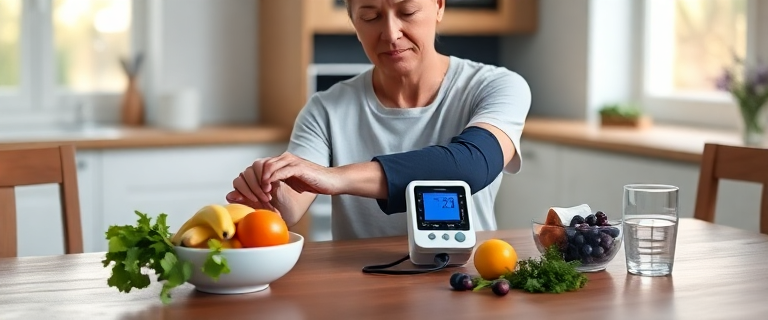
Hypertension, or high blood pressure, is a common condition that can quietly increase the risk of heart disease, stroke, and kidney problems. While many people start with medications, a well‑structured lifestyle program can meaningfully lower blood pressure—and in some cases delay or reduce the need for drugs. A balanced approach, combining weight management, dietary patterns, physical activity, sleep, stress reduction, and regular monitoring, empowers readers to take control of their heart health.
1) Achieve a healthier weight and manage waist size
Weight reduction is one of the strongest lifestyle factors for lowering blood pressure. For those who are overweight or have obesity, losing even a modest amount of weight tends to reduce blood pressure. In general, blood pressure can fall by about 1 mm Hg for each kilogram (approximately 2.2 pounds) of weight lost.
Waist size matters too. Excess abdominal fat raises cardiovascular risk, including the likelihood of high blood pressure. For context, risk thresholds commonly cited are a waist measurement greater than 40 inches (102 cm) for men and greater than 35 inches (89 cm) for women.
2) Eat healthy foods
Emphasize whole grains, fruits, vegetables, and low-fat dairy while limiting saturated fat, trans fat, and cholesterol. Prioritize minerals such as potassium, calcium, magnesium, and dietary fiber.
A healthy dietary pattern can lower systolic blood pressure by as much as 11 mm Hg. Two well-known, evidence-backed patterns are the Dietary Approaches to Stop Hypertension (DASH) diet and the Mediterranean diet.
“Diet and lifestyle can have a profound impact on blood pressure, and it’s worth as much as one or two pills.” — Dr. R. Kannan Mutharasan, cardiologist
3) Exercise regularly and stay active
Regular aerobic activity lowers blood pressure by about 5–8 mm Hg. Continued exercise helps prevent future rises in blood pressure. Aim for at least 150 minutes of moderate-intensity aerobic activity per week, or 75 minutes of vigorous activity, plus at least two days of strength training per week.
Examples include walking, cycling, swimming, and dancing. Strength training complements cardio by supporting overall cardiovascular health.
4) Lower sodium in your diet
Reducing sodium intake improves heart health and can lower blood pressure in most people. Most adults achieve better results by aiming for 1,500 mg per day, though many can manage with up to 2,300 mg daily. Lowering sodium can reduce high blood pressure by about 5–6 mm Hg.
Practical steps include:
- Reading food labels and choosing low-sodium or no-sodium options.
- Cooking at home to control salt content.
- Avoiding processed foods, which often contain high sodium.
- Using herbs and spices instead of salt for flavor.
- Considering potassium-based salt substitutes to reduce sodium while adding potassium.
5) Limit alcohol
Excessive alcohol can raise blood pressure and interfere with medications. If you drink, limit to one drink or fewer per day, and avoid daily drinking. A standard drink is 12 oz of beer, 5 oz of wine, or 1.5 oz of 80‑proof liquor.
6) Don’t smoke or vape
Avoid tobacco and nicotine products, including electronic cigarettes, as they raise blood pressure. Quitting can lower cardiovascular risk. Also minimize exposure to secondhand smoke, which carries health risks.
If you need help quitting, ask your healthcare team about programs or treatments that can support you.
7) Get a good night’s sleep and manage stress
Poor sleep lasting weeks can affect blood pressure. Most adults should aim for 7–9 hours per night. Sleep disturbances such as sleep apnea, restless legs syndrome, or insomnia can elevate blood pressure; addressing the underlying cause improves sleep and health.
Establish a consistent sleep schedule, keep the bedroom cool, quiet, and dark, and avoid large meals, nicotine, caffeine, and alcohol close to bedtime. If naps are taken, keep them to 30 minutes or less and earlier in the day to minimize nighttime disruption.
Long-term stress may contribute to higher blood pressure. Mindfulness and deep breathing are recommended approaches, and social connections can help reduce stress. A professional viewpoint highlights the importance of relaxing practices for cardiovascular health.
8) Track your blood pressure at home and get regular checkups
Home blood pressure monitoring helps you verify progress and adjust lifestyle efforts. You can purchase a home monitor, and it’s wise to discuss home measurement with your healthcare professional before you start.
When testing at home, follow proper technique: measure in the morning after using the bathroom, sit with your arm supported on a table, place the cuff on your upper arm, rest for two to three minutes, keep feet flat, and align the cuff level with your heart.
Regular professional checkups remain important. Your healthcare professional can guide how often you need checkups and whether any adjustments are needed.
9) Manage cholesterol and blood sugar
High blood sugar and elevated non‑HDL cholesterol raise heart disease risk, though they don’t directly cause blood pressure changes. Many healthy habits—eating well, exercising, losing weight, and avoiding tobacco—benefit both blood pressure and these other risk factors. Follow your healthcare professional’s guidance on managing cholesterol and blood sugar.
A practical, 30‑day plan to start
The core idea is to implement several changes simultaneously to maximize the synergistic effect. Start with a realistic set of steps—such as tracking weight, increasing daily activity, trimming sodium intake, incorporating potassium-rich foods, and prioritizing regular sleep—and gradually expand as you gain comfort.
Foods That Can Lower Blood Pressure Naturally
Key Nutrients and Foods for Managing Blood Pressure
Potassium, magnesium, calcium, fiber, omega-3 fatty acids, and nitrates all support healthier blood vessels and circulation when consumed as part of a balanced diet.
Potassium
Potassium helps regulate sodium levels and relaxes blood vessel walls to improve blood flow. Primary sources include:
- Fruits: bananas, avocados, cantaloupe, oranges, and dried apricots
- Vegetables: sweet potatoes, spinach, potatoes with skin, tomatoes, Brussels sprouts
- Dairy: yogurt (especially Greek yogurt), milk, and cottage cheese
Important safety note: If you have kidney disease, consult your doctor before significantly increasing potassium intake or using potassium-based salt substitutes. Higher potassium intake can be dangerous for some individuals.
Magnesium
Magnesium also helps relax blood vessels. Good sources include leafy greens (spinach, kale, Swiss chard), nuts and seeds (almonds, pumpkin seeds, chia seeds, sunflower seeds), whole grains (brown rice, oats, quinoa), legumes (black beans, kidney beans), and protein sources (chicken, salmon, tuna, tofu).
Calcium
Calcium supports blood vessel function. Rich sources include dairy products (milk, Greek yogurt, cheese), leafy greens (kale, collard greens, spinach), and calcium-fortified foods such as some plant-based milks and cereals.
Fiber
Dietary fiber feeds gut bacteria and supports heart health. Aim for 25–35 grams daily from sources like whole grains (oats, brown rice, whole wheat bread), fruits and vegetables (especially with edible skins and seeds), and legumes.
Omega-3 fatty acids
Healthy fats that can help slow plaque buildup in arteries. Include fatty fish (salmon, tuna, mackerel, sardines), nuts and seeds (flaxseeds, walnuts, hemp seeds, chia seeds), and legumes (soybeans).
Nitrates
Nitrates convert to nitric oxide, relaxing blood vessels. Good sources include leafy greens (spinach, arugula), berries (blueberries, strawberries, raspberries, cranberries), and beets (beetroot, beetroot juice).
If you take anticoagulation (blood-thinning) medication, consult your care team before substantially increasing intake of vitamin K–rich foods like leafy greens, avocados, and blueberries, as vitamin K can counteract some blood thinners.
Crafting a Heart-Healthy Diet
To maximize benefits, focus on home preparation, mindful label reading, and a balanced pattern:
- Cook at home to control ingredients and sodium.
- Read food labels to identify sodium content and fat quality; recognize terms like fat-free, low-fat, reduced-sodium, and very low sodium to judge choices.
- Limit processed foods, which are often high in sodium, unhealthy fats, and added sugars.
- Use herbs and spices—like cinnamon, turmeric, garlic, cumin, basil, cilantro, black pepper, and ginger—to flavor foods without salt. Salt-free seasonings such as Mrs. Dash are commonly available.
- Consider the DASH diet: emphasize fruits, vegetables, and whole grains; lean proteins like fish, poultry, and beans; low-fat dairy; and limited saturated fat, cholesterol, and added sugars.
Experts emphasize that low‑sodium and greater plant‑based eating can make a meaningful difference in blood pressure. The Mediterranean diet is also recommended as an effective alternative.
Weight loss and increased physical activity synergize with diet to lower blood pressure. Any dietary change that promotes weight loss tends to reduce BP, though individual responses vary and may require tailored plans developed with a healthcare professional.
The American Heart Association notes that combining dietary changes with regular activity can be as powerful for many people as medications, underscoring the value of a comprehensive approach.
Healthy Food on a Budget
Heart-healthy choices can be affordable. Practical options include:
- Canned, frozen, or dried produce can be just as nutritious and cost‑effective as fresh produce.
- Choose low-sodium canned vegetables and no-salt-added options.
- Frozen vegetables with no added sauces or seasonings are convenient and budget-friendly.
- Canned fruits packed in water or their own juice without added sugars
- Dried fruit without added sugars and powdered dry milk to stretch budgets.
For those facing food insecurity, programs like SNAP can help. As described in the affordability guidance, SNAP benefits may support healthier food purchases.
Can Supplements Help?
It’s generally better to obtain minerals like calcium, magnesium, and potassium from foods. Supplements are not as tightly regulated by the FDA, and their contents and interactions with medications can vary. If you’re considering supplements, discuss them with your care team before taking any, especially if you take other medications.
How Often Should You Check Your Blood Pressure?
If you don’t have a formal diagnosis of high blood pressure, consider routine screenings during healthcare visits. If you have hypertension, keeping a home blood pressure cuff is a practical part of your toolkit. A home monitoring routine helps detect white coat hypertension (high readings only in clinical settings) or masked hypertension (normal readings in clinics but elevated at home).
Practical testing guidelines include testing in the morning after using the bathroom, sitting with your arm supported, placing the cuff on your upper arm, resting for a few minutes before taking a reading, keeping your feet flat, and aligning the cuff with your heart level.
Foods to Limit or Avoid
While focusing on heart‑healthy eating, it’s useful to know which foods can worsen blood pressure and should be limited:
- Fatty meats and processed meats (such as hot dogs and sausage)
- Salted snacks (pretzels, potato chips) and salted nuts
- Canned soups and vegetables, dried soup mixes
- Deli meats and fast food
- Butter and margarine
- Potato chips and salted popcorn
- Whole-milk dairy products
- Condiments (ketchup, salad dressings) and pickled foods
- Boxed mixes for rice, pasta, and potatoes
SNAP and Healthy Eating Habits
For readers facing budget constraints, SNAP (Supplemental Nutrition Assistance Program) can help extend food budgets and enable healthier choices. For example, older adult Kellee Lightfoot, age 87, sought SNAP to cover essentials after rent and utilities; she now receives $180 a month in benefits and can purchase foods that support her dietary needs.
Checking SNAP eligibility is quick with online tools such as BenefitsCheckUp.org, which can guide residents through the process. If additional help is needed, resources are available to assist with the SNAP application.
In practice, affordability guidance reinforces that heart-healthy eating is achievable for many households when looking for low-sodium options, frozen or canned produce without added salt or sugar, dried beans and lentils, and low-sodium versions of common staples.
Sources
The guidance above draws on evidence and recommendations from reputable sources that discuss the impact of weight loss, diet patterns such as DASH and the Mediterranean diet, sodium reduction, physical activity, and safe practices around supplementation and potassium intake. Readers are encouraged to consult healthcare professionals for personalized plans.
- Dietary approaches to stop hypertension (DASH) and Mediterranean diet evidence and recommendations.
- Expert commentary from Northwestern Medicine on lifestyle changes and blood pressure management.
- Guidance on potassium, vitamin K considerations with anticoagulation, and overall nutrient sourcing from foods.
- General home monitoring guidance and the role of regular checkups in blood pressure management.
- Affordability considerations and SNAP program information.