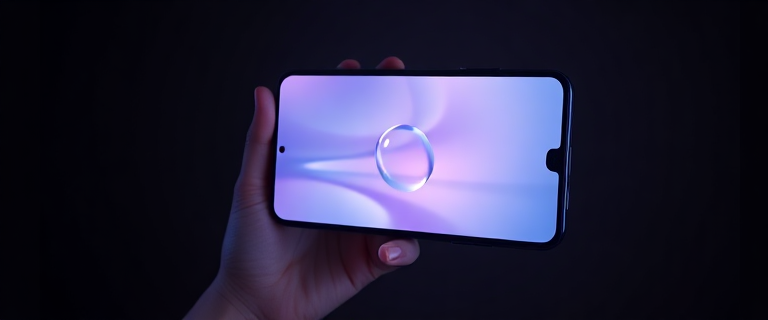
ColorOS 17 marks a noticeable shift toward glassy, fluid visuals and a broader software strategy for OPPO’s smartphone ecosystem. Built on Android 17, ColorOS 17 introduces a redesigned interface with floating navigation controls, blurred surfaces, more responsive animations, and new features such as Lockscreen Island. While the stable release is not yet public, the rollout signals OPPO’s move toward a unified ColorOS platform that will extend to eligible OnePlus and realme devices, making the update more than just a visual refresh for OPPO users.
Fluid animations powered by a luminous rendering engine
The centerpiece of ColorOS 17 is an upgraded animation system described as fluid-motion fusion. An enhanced Luminous Rendering Engine enables elements to stretch, move, and settle as you swipe or tap, delivering a more responsive feel than fixed transitions. This new approach is designed to make interactions across the system—menus, app launches, and navigation—feel smoother and more cohesive. The same set of fluid animations extends beyond core screens to system apps, providing a unified sense of motion as you move through tasks.
OPPO has explained that these refined animations are not isolated to a single screen. In practice, users will experience the fluid-motion fusion across multiple areas of the interface, reinforcing a consistent visual language as you navigate the device.
A frosted-glass aesthetic with Contour Glow
ColorOS 17 introduces a frosted-glass treatment that creates translucent surfaces across menus, panels, and controls. This frosted look is paired with Contour Glow—lighting around interface elements that adds depth and separation. The design aims to evoke a layered, more tactile feel without copying Apple’s Liquid Glass approach. Tech commentary notes that ColorOS 17 employs blended translucency, blur, glow, and motion to achieve a distinct, multi‑layered appearance.
In addition, progressive blur is used to vary the degree of background defocus depending on the interface element and its position. A softer lighting approach has practical benefits: it can help improve readability on AMOLED displays while also conserving battery life, a point OPPO highlights in discussions of the broader design philosophy.
Lockscreen Island and new interaction patterns
Beyond the visual refresh, ColorOS 17 adds Lockscreen Island to display ongoing activities such as music playback, calls, and navigation. This feature brings real-time status to the lock screen without forcing frequent unlocking, streamlining common tasks and keeping important activities at a glance.
Floating navigation bar and broader device reach
A standout change is a floating, pill‑style navigation bar that sits above the bottom edge of the screen. Described as a “floating island,” this bar is designed to be reachable with one hand and is intended to appear across most built‑in apps, creating a consistent control surface. The navigation bar’s swipable sections and extended motion aim to make navigation feel more fluid and responsive across the system.
OPPO notes that the floating island is part of an overall push to apply the new navigation design throughout the operating system, rather than confining it to isolated screens. This contributes to a more cohesive user experience as you move between apps and features.
Cross‑platform integration: O+ Connect with iPhones
ColorOS 17 includes improved connectivity with Apple’s ecosystem through O+ Connect. Compatible OPPO devices can interact with iPhones for features such as calls and notifications, and file-sharing capabilities are being expanded to simplify transfers between the two platforms. This cross‑platform support is part of OPPO’s broader strategy to create a more seamless experience for users who operate across both Android and iOS.
What ColorOS 17 means for eligible devices
ColorOS 17 is not limited to OPPO’s latest hardware. Eligible devices across OPPO’s Find, Reno, F, and K series may receive the update, though there is no single official age cutoff yet published. Current beta discussions suggest several older models remain supported under their software update commitments, and the rollout is being tested in markets such as India, Indonesia, and Malaysia.
The broader rollout is tied to a shift across OPPO’s broader family. OnePlus and realme devices will also transition away from OxygenOS and realme UI toward ColorOS, signaling a unified software platform across OPPO, OnePlus, and realme. In practical terms, OnePlus users should expect OxygenOS to be phased out in favor of ColorOS 17, with future OnePlus devices shipping with ColorOS out of the box.
Beta status and the path to a stable release
ColorOS 17 is currently in beta testing, with the closed beta having begun on August 6, 2026. The beta has run on selected devices, including the Find X9 Pro, Reno 15 Pro, Reno 15 Pro Mini, OnePlus 15, OnePlus 15R, and Realme GT 8 Pro in various regions. beta enrollment has been limited per device, and available slots may now be full. Prospective testers should monitor official channels for announcements about open beta opportunities or the broader stable rollout.
In September 2026, OPPO is expected to formally unveil ColorOS 17 in China alongside the Find X10 series. A wider rollout is then anticipated in October and across the rest of Q4 2026, with some older devices potentially receiving the update in early 2027. This staged cadence means early adopters on eligible devices are likely to see the update first, followed by broader availability.
For readers awaiting a stable release, the practical guidance is to stay tuned to official ColorOS communications and your device’s software update channel. The beta status and the final device list are subject to official confirmation, so prioritize information from OPPO and the ColorOS team over rumors.
Practical considerations for users: battery, performance, and visibility
ColorOS 17’s design choices aim to balance improved visuals with everyday usability. The softer light bending compared with Apple’s Liquid Glass approach is discussed as a means to conserve battery life on AMOLED screens while preserving readability. In addition, the refinements to rendering, RAM management, and animation smoothness are intended to reduce stutters and speed up app launches in everyday use. Users should expect a notable but variable impact on performance depending on device hardware and software maturity.
Future outlook: a unified ColorOS across OPPO, OnePlus, and Realme
With ColorOS 17, OPPO signals its intention to standardize the software experience across its three brands. OnePlus devices will transition from OxygenOS to ColorOS 17, and realme devices will follow this path as well. The result is a single software platform that can streamline development and updates across devices from all three brands, even as individual feature sets remain tailored to each family.
How to get started with ColorOS 17 Beta
If you’re eager to try ColorOS 17 early, begin by confirming your device’s eligibility and enrolling through official channels. Be mindful that the closed beta had limited tester slots per device and may already be full. Expect broader beta programs or the stable release to appear later, and monitor OPPO’s official communications for announcements about open beta periods or the general rollout.
What this means for users today
ColorOS 17 represents more than a fresh skin; it’s a strategic shift toward a shared software platform across OPPO, OnePlus, and realme. The combination of fluid animations, a frosted-glass UI, Lockscreen Island, and cross‑platform connectivity aims to deliver a more cohesive and responsive user experience. While beta programs and device eligibility continue to evolve, the overall direction points to a unified ecosystem with more consistent updates and features across the three brands.
Bottom line
OPPO’s ColorOS 17 brings a bold visual and functional reimagining, anchored by a new fluid-animation engine, frosted-glass visuals, and a floating navigation bar. The update also paves the way for tighter cross-platform integration with iPhones via O+ Connect and a unified ColorOS platform across OnePlus and realme. Prospective users should watch for the Find X10 series as the likely first device to ship with the stable version in September 2026, with a broader rollout to follow through late 2026 and into 2027. For OnePlus owners, OxygenOS as a separate experience is being retired in favor of ColorOS 17, with future devices adopting the unified platform out of the box.