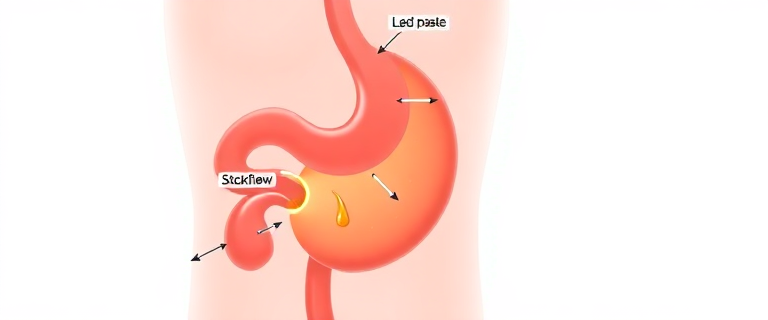
Understanding Heartburn, Acid Reflux, and GERD: Key Differences and Symptoms
Heartburn, acid reflux, and GERD are terms that people often use interchangeably, but they describe distinct clinical ideas. Heartburn is a symptom—an uncomfortable burning sensation behind the breastbone. Acid reflux refers to the backflow of stomach contents into the esophagus, which can happen episodically or more regularly. GERD, or gastroesophageal reflux disease, is a chronic condition marked by frequent reflux that may lead to complications if not addressed. This article explains what each term means, how they relate to one another, and how readers can recognize when their symptoms warrant medical attention.
<!–
<!–
<!–
<!–

–>
–>
–>
–>
Defining the Conditions
Heartburn: Temporary Esophageal Irritation
Heartburn is a symptom rather than a disease. It describes a burning sensation and discomfort that typically occurs behind the breastbone after meals or with certain triggers. Because it is a symptom, heartburn can appear briefly or recur in response to dietary choices, posture, or timing of meals. Understanding this distinction matters: treating heartburn effectively often involves identifying triggers and using appropriate remedies, but a single episode does not automatically indicate a chronic condition. If heartburn becomes frequent or persistent, it may be part of a larger reflux pattern worth evaluating for GERD.
Acid Reflux: Stomach Acid Backflow
Acid reflux occurs when stomach contents flow backward into the esophagus. This backflow is more likely when the lower esophageal sphincter (LES) relaxes at an inappropriate time or when stomach pressure is higher than usual. Triggers can include certain foods, large meals, or body positioning after eating. The main implication of this mechanism is risk to the esophageal lining: repeated exposure to acid can irritate and inflame the esophagus over time. Managing reflux often starts with lifestyle adjustments and may progress to medical evaluation if symptoms persist or recur frequently.
GERD: Chronic Acid Reflux Disease
GERD stands for gastroesophageal reflux disease and represents a chronic, ongoing pattern of reflux. It describes a condition in which reflux symptoms are frequent, persistent, or accompanied by complications. The distinction between GERD and occasional reflux is clinically meaningful because chronic exposure of the esophagus to stomach contents can lead to mucosal changes and, in some cases, structural problems. Practical implications include a systematic approach to management, which may combine lifestyle strategies with targeted therapies and medical evaluation when symptoms persist.
Common Symptoms and Differentiators
Although heartburn, acid reflux, and GERD share a common mechanism, their symptom profiles differ in frequency and impact. The discussion below highlights how these conditions can overlap and where they diverge, helping readers understand when symptoms are likely intermittent and when they may signal a chronic pattern requiring medical attention.
| Symptom | Heartburn | Acid Reflux | GERD |
|---|---|---|---|
| Chest pain or burning behind the breastbone | Often after meals; typically transient | Can occur during reflux episodes | More likely to be persistent or frequent |
| Regurgitation or sour taste in mouth | Less common | Common during reflux episodes | Frequent or ongoing with chronic reflux |
| Dysphagia (trouble swallowing) | Uncommon | Possible with reflux episodes | More common with prolonged GERD and irritation |
Unique Indicators of GERD
- Symptoms that occur frequently—multiple times per week or most days
- Symptoms that persist despite initial self-care measures or OTC treatments
- Back-to-back episodes of heartburn accompanied by regurgitation or difficulty swallowing
Prevalence and Risk Factors
The prevalence of chronic heartburn is not rare. In the United States, about 20% of adults experience chronic heartburn, indicating a substantial portion of the population contends with recurrent reflux symptoms. This statistic underscores the importance of understanding the distinctions between heartburn, acid reflux, and GERD, and it highlights why readers should be attentive to the frequency and persistence of their symptoms. While this article focuses on definitions and symptom patterns, recognizing prevalence helps readers contextualize personal experiences and make informed discussions with healthcare providers.
Note
Red Flags Requiring Medical Evaluation
Most reflux symptoms are manageable with lifestyle adjustments and over-the-counter therapies. However, certain warning signs merit prompt medical assessment to rule out more serious conditions and to prevent complications. If you experience any of the red-flag symptoms described below, seek professional care or follow guidance from a healthcare provider. This section also includes a practical decision aid to help readers gauge when symptoms should trigger medical evaluation.
- Persistent or worsening symptoms despite lifestyle changes
- New onset of symptoms after age 50 with a sudden change in pattern
- Severe, unrelenting chest pain or pain radiating to the arm or jaw
- Difficulty swallowing, recurrent vomiting, or weight loss without explanation
- Symptoms that disrupt sleep or occur at night and are not clearly linked to meals
When to Seek Professional Care: When to See a Doctor for Chronic Symptoms
<!–
<!–
<!–
<!–
–>
–>
–>
–>
Frequently Asked Questions
- What is the difference between acid reflux and GERD?
- Acid reflux describes the backward flow of stomach contents into the esophagus. GERD is a chronic pattern of reflux that persists or recurs frequently and can lead to complications if not managed. In short, reflux is a mechanism; GERD is a chronic condition that may arise from persistent reflux.
- Heartburn vs GERD symptoms
- Heartburn is a symptom characterized by a burning sensation in the chest. GERD refers to a chronic condition where reflux symptoms are frequent, persistent, or associated with complications. Heartburn can be part of GERD, but GERD is not defined by heartburn alone.
- How common is chronic heartburn?
- Chronic heartburn is relatively common. In the United States, about 20% of adults experience chronic heartburn, illustrating that a substantial portion of the population encounters ongoing reflux-related discomfort.
Conclusion
Understanding the differences between heartburn, acid reflux, and GERD helps readers make informed choices about when to manage symptoms at home and when to seek medical evaluation. Heartburn remains a symptom, acid reflux describes backflow, and GERD denotes a chronic condition with potential complications if left unaddressed. Remember that prevalence matters: a significant share of adults experience chronic heartburn, underscoring the value of recognizing red flags and pursuing professional guidance when symptoms persist or worsen. With clear definitions and practical cues, readers can approach reflux symptoms with confidence and a plan for effective management.