Natural Remedies for Heartburn and GERD: Evidence-Based Solutions
<!–
<!–
<!–

–>
–>
–>
Heartburn is a familiar discomfort for many, but when it occurs frequently or severely, it may be a sign of
gastroesophageal reflux disease (GERD). This article brings together the best available evidence on natural
remedies that readers can consider as part of a broader, informed approach to managing symptoms. We focus on four
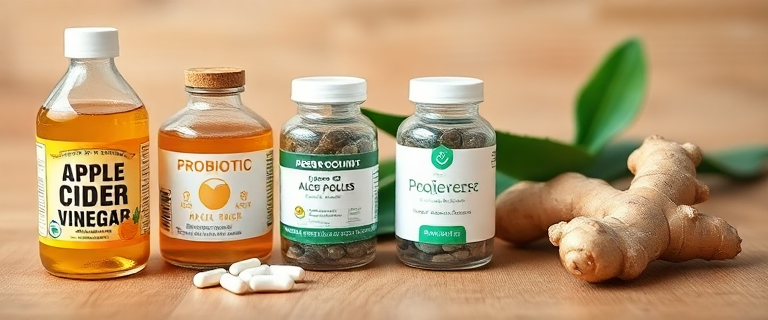
remedies that repeatedly appear in clinical discussions: apple cider vinegar, aloe vera, probiotics, and ginger.
The goal is not to replace professional medical advice but to help you understand how these remedies work, how to
use them safely, and when they should be approached with caution.
The guidance here emphasizes evidence-based reasoning: understanding what each remedy is, why it might help, how
to use it correctly, and the practical limitations you should know before trying it. Readers should consult a
healthcare professional if symptoms persist, worsen, or are accompanied by warning signs. For foundational
knowledge about the conditions themselves, you may wish to explore
Understanding Heartburn, Acid Reflux, and GERD.
Understanding Heartburn and GERD
Heartburn is a burning sensation that commonly arises after meals or while lying down, caused by acid moving
from the stomach into the esophagus. GERD, or gastroesophageal reflux disease, is a more chronic condition
characterized by frequent heartburn and other symptoms that may affect daily life. Recognizing the difference
between transient heartburn and GERD is important because the management strategies and the decision to seek
medical advice can vary.
Key Differences Between Heartburn and GERD
The simplest way to understand the distinction is to think of heartburn as a symptom and GERD as a clinical
pattern. Occasional heartburn may occur after heavy meals or certain triggers and often responds to over-the-counter
measures. In GERD, symptoms tend to be more persistent, occurring more than occasionally and sometimes requiring
targeted medical assessment. This distinction matters because persistent reflux can lead to complications if not
addressed appropriately. In discussions about remedies, it’s important to separate what provides transient relief
from what might be part of a longer-term management plan.
For readers building a foundation, the concept of heartburn versus GERD helps frame how natural remedies fit into
overall care. If you’re unsure where your experience fits, consider speaking with a clinician who can evaluate your
symptoms in the context of your medical history and current treatments.
Top Evidence-Based Natural Remedies
Apple Cider Vinegar for Heartburn
- What it is. Apple cider vinegar is a dilute vinegar made from fermented apple cider. Some readers try it as a remedy
for heartburn under the premise that a small amount of acid might neutralize a mismatched pH balance in the stomach. - Why it might help. The central idea is that a diluted acid can, for certain individuals, influence the stomach environment
in a way that reduces reflux symptoms. Research discussions note that outcomes vary across people, and vinegar should be used with care. - How to use it. If you choose this approach, use a diluted preparation and monitor your response. Start with a small amount and adjust
only if your clinician agrees. Do not rely on vinegar as a sole treatment for persistent GERD symptoms. - Safety and practical notes. Do not exceed comfortable amounts and avoid using concentrate or undiluted vinegar. If you have a
history of dental enamel sensitivity, plan to rinse your mouth after any intake and consult a clinician if you experience adverse effects.
Aloe Vera for GERD Relief
Aloe vera is traditionally known for soothing mucous membranes, and in the context of GERD, it is discussed as a potential
aid to ease irritation of the esophagus and stomach lining. The mechanism is that aloe vera may help calm inflammation and
provide a protective layer over irritated tissues. While some patients report symptomatic improvement, the clinical evidence is
not unequivocal, and aloe vera products vary in quality and formulation. This is a case where the concept is plausible, but
individual responses can differ.
Practical use centers on selecting preparations designed for internal consumption and following dosing recommendations from
reliable sources. Always verify product quality and consult a healthcare professional if you take other medications or have
chronic conditions. Aloe vera is not a universal remedy, and it should be considered as part of a broader management plan
rather than a stand-alone cure.
Probiotics for Acid Reflux
Probiotics are live microorganisms with potential benefits for gut health. In the context of acid reflux and GERD, strain-specific
effects are discussed in the literature. Research points to a role for certain probiotic strains in promoting a healthier gut flora,
which may, in turn, influence reflux symptoms. The key idea is that a balanced microbiome can contribute to improved gut function and
reduced irritation in the digestive tract.
| Probiotic Strain | Proposed Mechanism | Evidence Snapshot |
|---|---|---|
| Lactobacillus | May help balance gut microbiota and support digestion, potentially reducing reflux-related symptoms. | Clinical studies show promise in some patients; results vary by strain and individual factors. |
| Bifidobacterium | May contribute to a healthier gut environment and reduce inflammatory signaling in the digestive tract. | Evidence suggests potential benefits for certain reflux symptoms, with ongoing research needed for confirmation. |
When considering probiotics, note that “strain-specific benefits” matter. Not all probiotic formulations are the same, and what
helps one person may not help another. If you are curious about probiotics for reflux, discuss options with a clinician who can
tailor recommendations to your medical history and current treatments.
Ginger’s Role in Heartburn Management
Ginger has long been used to support digestive comfort, and modern inquiries have examined its potential to reduce episodes of
heartburn. The clinical picture suggests that ginger can play a role in reducing inflammation and supporting stomach function.
For those who find it helpful, ginger is typically consumed as tea or in a prepared form designed for digestion support.
- Use fresh ginger root in amounts around 1–2 grams when making a tea or infusion; this provides a gentle but practical dose for many readers.
- Prepare the infusion by steeping the grated root in hot water for several minutes to extract flavor and beneficial compounds.
- Consume the ginger preparation about 30 minutes before meals to help prevent heartburn episodes and support smoother digestion.
- Monitor your response and adjust use with guidance from a clinician, especially if you have any medical conditions or take medications.
The timing of ginger consumption—about 30 minutes before meals—emerges in discussions of practical use. If you notice relief, you
may continue with that pattern, but never exceed recommended amounts and discontinue use if you experience adverse effects.
<!–
<!–
<!–
–>
–>
–>
Safety Considerations and Precautions
A careful approach to natural remedies emphasizes safety, especially for readers with existing medical conditions or those taking
prescription medicines. Always use remedies in moderation, seek professional guidance when in doubt, and monitor your body’s response.
Who Should Avoid These Remedies
| Population or Situation | Notes |
|---|---|
| Allergy or intolerance to any remedy ingredient | Discontinue use immediately if you notice signs of an allergic reaction and consult a clinician before continuing. |
| People on medications that affect stomach acidity or interact with herbal products | Discuss with a clinician before combining remedies with prescribed therapies to avoid interactions or reduced efficacy. |
When to Seek Medical Attention
Self-care can play a helpful role in symptom management, but persistent or worsening reflux warrants professional evaluation. If your
symptoms do not improve with time, or if you experience new or unusual signs, contact a healthcare professional. Early assessment can
clarify whether lifestyle changes, targeted therapies, or a different diagnosis is needed.
Red Flags for Professional Evaluation
- Severe chest pain or pressure, especially with sweating or radiating to the arm or jaw
- Unexplained weight loss, persistent vomiting, or vomiting blood
- Difficulty swallowing or recurring vomiting after meals
- Symptoms that wake you from sleep or noticeably disrupt daily activities
If you notice any of these red flags, seek prompt medical attention. For guidance on when to consult a clinician, refer to
When to Consult a Healthcare Professional.