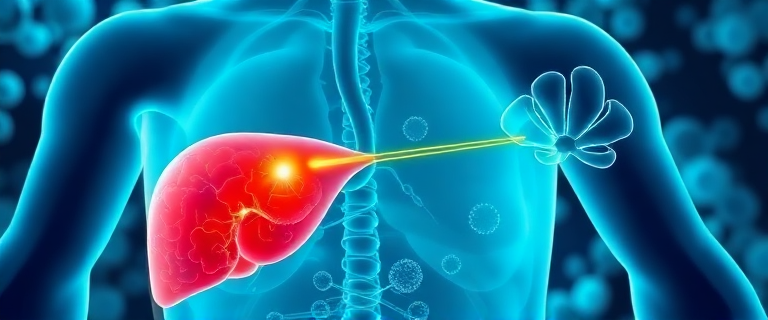
Understanding the Biological Foundations of Intermittent Fasting
Intermittent fasting is more than a dietary pattern; it is a biological intervention that taps into the body’s fundamental survival systems. When we enter a fasted state, several tightly linked processes wake up: cellular cleaning mechanisms, a shift in energy sourcing, and changes in how the body handles insulin. Taken together, these mechanisms can influence metabolic health, brain function, and longevity in meaningful ways. This section outlines the core biology behind fasting, building a framework that helps explain why people experience tangible effects—from clearer energy to improved insulin dynamics—across different protocols.
<!–
<!–
<!–

–>
–>
–>
Autophagy Activation: Cellular Cleanup and Repair
Autophagy is a fundamental cellular process that recycles damaged components, supporting maintenance and resilience. During fasting, nutrient scarcity alters signaling pathways that regulate growth and repair. The outcome is a coordinated cleanup that helps cells reclaim resources and preserve function. Understanding autophagy gives us a window into how the body defends itself during periods without food, and why this process is often highlighted as a central benefit of fasting.
When Autophagy Begins During Fasting
- Cells sense reduced nutrient availability, triggering pathways that initiate autophagosome formation to degrade and recycle damaged proteins and organelles.
- Lower circulating insulin and shifts in energy status move the body away from growth toward repair and maintenance.
- Activation of AMPK and suppression of mTOR tilt the balance in favor of cellular cleanup over building new components.
- Autophagy activity increases gradually as the fast continues, with the exact timing varying among individuals and fasting protocols.
- Recycling cellular material helps conserve nutrients and supports essential functions when external energy input is limited.
Clinical Evidence of Autophagy Benefits
Fasting-induced autophagy is associated with cellular maintenance mechanisms that may support healthy aging and resilience in tissues that rely on renewal.
Metabolic Switching: From Glucose to Ketones
A central feature of fasting is the metabolic switch from glucose-derived energy to fatty acids and ketone bodies. This transition reflects the body’s adaptive strategy for sustaining energy when dietary intake is limited. In the early hours of fasting, glucose remains a key source, but as glycogen stores decline, the liver increases fat oxidation and converts fatty acids into ketone bodies. Ketones then serve as an important alternative fuel, particularly for the brain, which uses them to support function when glucose is scarcer. This shift has broad implications for energy efficiency, cellular signaling, and overall metabolic health.
| Aspect | Glucose metabolism | Ketone metabolism |
|---|---|---|
| Primary fuel source | Glucose from carbohydrates; energy driven by insulin signaling | Ketone bodies produced from fatty acids in the liver; used by brain and muscles when present |
| Energy pathways | Glycolysis and glycolytic flux support rapid energy needs | Fatty acid oxidation and ketogenesis create a steady energy supply during longer fasts |
| Key tissues involved | Muscle and liver coordinate glucose handling | Brain and muscles increasingly rely on ketones as a stable energy source |
| Byproducts and signaling | Insulin signaling remains a central regulator of metabolism | Ketones impact mitochondrial efficiency and may influence oxidative stress and inflammation |
Ketosis Timeline During Fasting
- The body begins by using available glucose and stored glycogen to meet immediate energy needs.
- As glycogen becomes depleted, the body increases fatty acid release from adipose tissue and ramps up fat oxidation.
- The liver converts fatty acids into ketone bodies, which are then released into circulation.
- Ketones become a substantial energy source for the brain and other tissues, supporting function during extended fasting.
Metabolic Switching and Brain Function
Ketone bodies offer a stable energy supply for neurons, which can be beneficial during periods of restricted intake. This energy source may support mitochondrial efficiency and reduce oxidative stress, contributing to a different profile of brain energy management. As with any physiological process, results vary among individuals and depend on fasting duration, baseline metabolic health, and other factors.
Insulin Sensitivity Improvements
Intermittent fasting can influence insulin sensitivity through several interconnected pathways. By reducing the frequency and amount of insulin secreted in a day, fasting periods allow tissues to respond more effectively to insulin when it is present. Weight changes, exercise, and individual metabolic status all shape the magnitude of these effects. The overall picture suggests that insulin dynamics often improve with fasting, but outcomes depend on the protocol and the person undertaking it.
| Factor | Impact on insulin sensitivity | Notes |
|---|---|---|
| Fasting periods | Lower circulating insulin during fasting windows; tissues may become more responsive to insulin | Effect size varies with protocol and individual characteristics |
| Weight management | Weight loss associated with improved insulin sensitivity in some overweight or insulin-resistant individuals | Not universal; depends on adherence and baseline health |
| Protocol variability | Different fasting patterns can yield different insulin responses | Response is influenced by duration, frequency, and lifestyle factors |
| Individual variability | Genetics, metabolic status, and age modulate outcomes | Personalization matters for maximizing benefit |
Clinical Studies on Fasting and Insulin
- Clinical studies on time-restricted feeding and other fasting regimens show improvements in insulin sensitivity across diverse populations, though results depend on the specific protocol and participant characteristics.
- Some studies indicate greater improvements in insulin response among individuals who also adopt healthier dietary patterns and physical activity alongside fasting.
- As with many interventions, the magnitude and durability of insulin-sensitivity improvements are influenced by adherence and long-term maintenance of the fasting pattern.
FAQ: Scientific Aspects of Fasting
How does fasting trigger autophagy?
Fasting triggers autophagy through a combination of nutrient-sensing signals. When nutrients are scarce, insulin levels fall and energy status shifts, activating AMPK and suppressing mTOR. These changes promote the formation of autophagosomes that engulf damaged cellular components for recycling, supporting cellular maintenance during energy shortages.
What is the metabolic switch to ketones?
The switch begins as glycogen stores decline and the liver increases fat oxidation. Fatty acids are converted into ketone bodies, which then circulate to be used as fuel by the brain and other tissues. This transition provides an alternative energy source when glucose availability is limited, and its pace depends on factors such as duration of fasting and individual metabolism.
Which studies prove fasting improves insulin sensitivity?
A body of clinical research indicates that various fasting approaches can improve insulin sensitivity in many populations. Outcomes vary with protocol, participant characteristics, and the presence of accompanying lifestyle factors. While the overall direction is supportive, the strength and consistency of findings depend on study design and context.
Conclusion: Integrating Science into Fasting Practice
The science of intermittent fasting centers on three interconnected pillars: autophagy, metabolic switching to ketones, and improvements in insulin sensitivity. Autophagy provides cellular housekeeping that may support tissue health; metabolic switching offers a resilient energy strategy during periods without food; and insulin-related effects reflect a broader rebalancing of energy use. Taken together, these mechanisms give fasting a coherent biological rationale that aligns with practical observations about energy, mood, and metabolic health.
For readers exploring these ideas in real life, practical guidance matters as much as theory. Start with a manageable approach, monitor how you feel and perform, and adjust according to your context. For readers seeking more context before trying fasting, see the
Intermittent Fasting Beginner’s Guide.
When you consider applying these insights to long-term routines, a framework can help you stay aligned with your goals. See the
Systematic Investment Plan for a structured way to think about sustaining beneficial habits over time.
<!–
<!–
<!–
<!–
–>
–>
–>
–>
<!–
<!–
<!–
<!–
–>
–>
–>
–>
<!–
<!–
<!–
<!–
–>
–>
–>
–>