The Samurai and the Prisoner (2026): Cast, Plot, & Reception
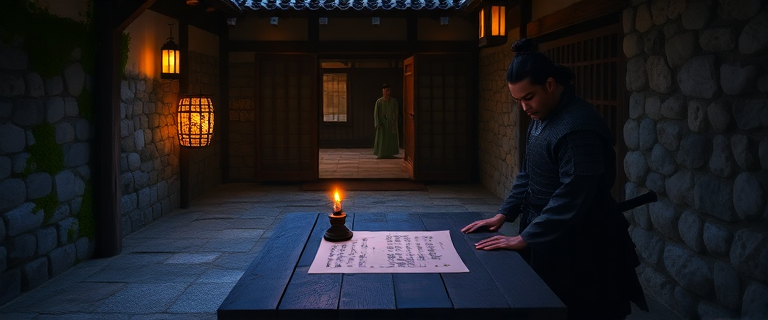
The Samurai and the Prisoner marks a landmark entry in Kiyoshi Kurosawa’s body of work. This 2026 Japanese historical drama and mystery blends loyalty, power, and ritual during a pivotal moment in feudal Japan. Based on Honobu Yonezawa’s Naoki Prize‑winning novel Kokurojo, the film invites viewers into a siege‑era castle where strategy, suspicion, and a hidden killer collide. This guide offers a clear, reader‑friendly overview of the film’s premise, creative roots, cast, release history, reception, and its significance within Kurosawa’s career.
Premise and Historical Context
The Samuari and the Prisoner unfolds during the siege of Arioka Castle in the late Sengoku period. In 1578, Araki Murashige, the merciful but steadfast lord of Settsu, defies the warlord Oda Nobunaga and barricades himself inside Arioka Castle. Nobunaga’s forces lay siege while Murashige’s supporters await reinforcements from Mōri Terumoto. Nobunaga sends a cunning military strategist, Kuroda Kanbei, as an envoy who is imprisoned by Murashige rather than trusted. This arrangement immediately thrusts the siege into a dual contest: political maneuvering and a dangerous internal game of wits.
Beyond the battlefield, the siege becomes a maze of loyalties, religious tensions, and murder. Inside the castle, hostages, clergy, samurai clans, and ambitious retainers each carry motives as Murashige and Kanbei sift through testimonies, coded poems, and shifting alliances. Murashige must separate truth from manipulation as a succession of killings and misdirections threatens to doom Arioka Castle. The film braids political strategy with a tightly wound murder mystery, shadowed by religious fault lines and the risk of betrayal from within. In short, the premise fuses historical drama with a closed‑room mystery that invites viewers to parse clues, interrogate motives, and weigh the costs of leadership under siege. The late Sengoku setting—just after the Azuchi period’s high drama—provides a lush backdrop for Kurosawa’s moodful, meticulously plotted storytelling.
Creative Team and Source Material
Director and screenwriter: Kiyoshi Kurosawa leads the project as both writer and director, adapting Honobu Yonezawa’s Kokurojo. This adaptation marks Kurosawa’s first foray into both jidaigeki (Japanese historical drama) and an overt mystery framework, blending a traditional cadence with contemporary storytelling that emphasizes psychological depth and tension. The project leverages Kurosawa’s fascination with Araki Murashige and the Sengoku milieu, marrying a classic jidaigeki feel with modern pacing and character psychology.
The screenplay is grounded in Yonezawa’s acclaimed novel, which won the 166th Naoki Prize. Kurosawa has described aiming for a classical, mid‑century jidaigeki texture—an homage to 1950s era films—while letting his contemporary directorial voice shape the pacing, structure, and atmospherics. The result is a synthesis of reverence for tradition with Kurosawa’s reputation for precise, character‑driven storytelling.
The musical score is by Yoshihiro Hanno, with Yasuyuki Sasaki on cinematography and Koichi Takahashi editing. Shochiku handles distribution, placing the film within a lineage of prestige Japanese studio productions that balance artful craft with festival and box‑office potential.
Cast and Characters
The Samurai and the Prisoner features a distinguished cast alongside rising talents, anchored by performances that mirror the film’s cerebral focus. Lead roles include:
- Masahiro Motoki as Araki Murashige, the merciful yet steadfast lord at the center of Arioka Castle’s siege;
- Masaki Suda as Kuroda Kanbei, Nobunaga’s cunning envoy and a key imprisoned strategist whose intellect challenges Murashige’s authority;
- Yuriko Yoshitaka as Chiyoho, Murashige’s wife, whose intimate perspective adds personal depth to the political upheaval;
- Munetaka Aoki as Araki Kyuzaemon, a retainer whose loyalties drive the moral questions at the heart of the siege;
- Ryota Miyadate as Inui Sukesaburo, among the notable figures shaping the siege’s dynamics.
The ensemble also includes Tasuku Emoto, Joe Odagiri, Yūsuke Santamaria, and others who populate Arioka Castle with a dense network of relationships. This depth supports Kurosawa’s aim to render a multi‑voiced, psychologically rich chamber piece set inside a fortress under constant threat.
Production and Release Timeline
The Samurai and the Prisoner runs 147 minutes and is distributed by Shochiku. Its world premiere occurred in the Cannes Film Festival’s Cannes Premiere section on May 19, 2026, signaling strong festival interest and international attention before its Japanese release.
The film’s Japanese theatrical release followed on June 19, 2026. This festival‑first pattern aligns with Kurosawa’s status as a major contemporary filmmaker and with the project’s prestige as a historical drama with broad appeal.
The production team brings together seasoned players from Japan’s prestige cinema, combining Kurosawa’s genre‑bending sensibility with a framework designed for high production values and international reach.
Critical Reception
The Samurai and the Prisoner has drawn strong critical acclaim, reflecting a rare alignment between festival recognition and mainstream critical approval. Rotten Tomatoes reports an approval rating of 97% based on 79 reviews, with an average rating of 8/10. Metacritic assigns a score of 83 out of 100, based on 21 critics, indicating universal acclaim.
Notable critics have highlighted the film’s blend of intimate character work with sweeping historical scope. TheWrap’s Chase Hutchinson described it as a sweeping yet intimate film that tackles large questions through dialogue, character, and atmosphere set against striking landscapes. Variety’s Jessica Kiang called it a highly entertaining adaptation, praising stylish, assured camerawork and the ensemble cast. RogerEbert.com’s Brian Tallerico gave it four out of four stars, calling it a dense chamber piece with big ideas and riveting performances anchored by Kurosawa’s craft. The New York Times’ Ben Kenigsberg praised Kurosawa’s direction, the performances, and the dense plotting. In sum, critics celebrate its intelligent construction, elegant mise‑en‑scène, and the fusion of traditional jidaigeki atmosphere with modern mystery storytelling.
Box‑Office Performance
Box office momentum has been strong for a prestige historical drama. By July 22, 2026—roughly a month after release—the film had grossed over 1 billion yen domestically, marking Kurosawa’s first film to reach this domestic milestone. Worldwide, the film has earned approximately $7 million. These figures reflect solid performance and international appeal beyond Japan, despite the film’s intricate plotting and measured pace compared with more action‑focused samurai cinema.
The domestic milestone stands out given the film’s deliberate storytelling and production design. Critics and audiences alike have responded to its intelligent, character‑driven storytelling and atmospheric craft, which can drive strong word‑of‑mouth and sustained box‑office legs in both domestic and international markets.
Unique Aspects and Legacy
The Samurai and the Prisoner stands out in Kurosawa’s oeuvre for several reasons. It marks his first foray into jidaigeki and a mystery framework, blending a traditional samurai setting with a modern, deduction‑driven narrative. The film emphasizes a refined, literate murder mystery set within a siege environment, treating every motive as a potential catalyst for catastrophe. Its literary provenance—Honobu Yonezawa’s Kokurojo—adds prestige to the production and informs its intricate plotting and psychology. Finally, the film represents a milestone in Kurosawa’s career as it achieves notable domestic box‑office success, underscoring his ongoing influence in Japanese cinema and his ability to fuse traditional forms with contemporary storytelling.
Overall, The Samurai and the Prisoner sits within a lineage of jidaigeki that leverage psychological depth and meticulous plotting to explore weighty themes—loyalty, power, belief, and the human costs of leadership—against a lush, historically grounded backdrop. Its reception suggests it may become a touchstone in discussions of Kurosawa’s evolution as a filmmaker who can refresh traditional cinema while preserving historical authenticity.
Frequently Asked Questions
What is the film’s runtime?
The Samurai and the Prisoner runs 147 minutes.
When was the film released in Japan?
The Japanese theatrical release occurred on June 19, 2026.
How was the film received by critics?
Critics widely praised the film, with a Rotten Tomatoes score of 97% and a Metacritic score of 83/100, indicating strong consensus around its quality and execution.
What is the film’s box office performance in Japan?
By July 22, 2026, the film had surpassed 1 billion yen in domestic box office revenue, marking a significant milestone as Kurosawa’s first film to achieve this figure. Worldwide box office was around $7 million.
Watch or Not-Watch – The Samurai and the Prisoner?
The Samurai and the Prisoner offers a rare blend: a lush historical tableau, a tightly engineered mystery, and performances that stand up under close scrutiny. It treats its Sengoku‑era setting with historical gravitas while inviting audiences into a cerebral, dialogue‑driven exploration of leadership, belief, and the human cost of war. If you value carefully built period pieces that reward attentive viewing—with striking visuals, a robust ensemble, and a plot that invites audiences to follow the clues like a chess game—this film stands out as a distinguished entry in 2026’s cinema landscape.
As Kurosawa’s first major domestic box‑office milestone and as a widely acclaimed festival entrant, The Samurai and the Prisoner also contributes to conversations about the evolution of Japanese cinema—how traditional forms can be revitalized through modern storytelling without sacrificing historical authenticity. It is a film that invites academic discussion, critical reviews, and immersive, mystery‑driven entertainment.
Whether you approach it as a Kurosawa admirer, a reader of Honobu Yonezawa’s Kokurojo, or simply as a fan of jidaigeki with a contemporary twist, The Samurai and the Prisoner promises a rich, rewarding viewing experience that can spark discussion long after the credits roll.
External reference (for broader critical reception): Rotten Tomatoes – The Samurai and the Prisoner