Sharjah, UAE Travel Guide: Top Things to Do, Places to Visit, Beaches, Food, Transport & 5‑Day Itinerary
Nestled between Dubai and Abu Dhabi, Sharjah offers a distinctive blend of heritage, culture, and natural beauty. This guide helps you plan a well‑rounded visit—whether you’re chasing world‑class museums, canal‑side strolls, or a desert day trip. You’ll find clear reasoning for why Sharjah deserves a place in your UAE itinerary, the best time to visit, must‑see attractions, outdoor options, food experiences, practical transport tips, a practical 5‑day plan that weaves Sharjah with Dubai and Abu Dhabi, budgeting considerations, safety and sustainability notes, and answers to common traveler questions.
Why Sharjah Should Be on Your UAE Itinerary
Sharjah stands out for its cultural depth and its purposeful contrast to neighboring Dubai and Abu Dhabi. It’s widely regarded as the cultural heart of the UAE, emphasizing history, art, and traditional Emirati life. Key experiences include the Sharjah Museum of Islamic Civilization, which showcases Islamic art, manuscripts, and scientific instruments, and the Heart of Sharjah district, a carefully restored heritage area that evokes city life in the 19th and early 20th centuries. Beyond museums, Sharjah prioritizes sustainable travel and walkable neighborhoods. The Al Majaz Waterfront and Al Qasba precincts offer canal‑side dining, promenades, and vibrant cultural events, all set against scenic water views. For families and curious travelers, a mix of indoor and outdoor experiences—museums, mosques, markets, and parks—delivers a well‑rounded taste of the emirate. And because Sharjah sits along the UAE’s eastern coast with well‑tended roads, it’s easy to pair a Sharjah day with a Dubai morning or an Abu Dhabi afternoon within a single trip.
Best Time to Visit Sharjah
Seasonal factors shape when you should plan a Sharjah trip. The peak season runs from November through March, when daytime temperatures are comfortable for outdoor exploration and many events are in full swing. If you’re visiting in summer, expect very high heat, but you’ll often find lower hotel rates and excellent indoor experiences in air‑conditioned spaces. Shoulder months (April–May and October) offer moderate temperatures and reasonable prices, making them practical for many travelers. Humidity tends to be lower in winter, which enhances comfort for walking and sightseeing.
Sharjah Must‑See Attractions
Sharjah’s attractions span cultural landmarks, waterfronts, and family‑friendly centers. The following experiences are particularly worthwhile when building your itinerary:
- Sharjah Museum of Islamic Civilization — A premier museum highlighting Islamic art, manuscripts, scientific instruments, and artifacts that illuminate the scientific and cultural achievements of the Islamic world.
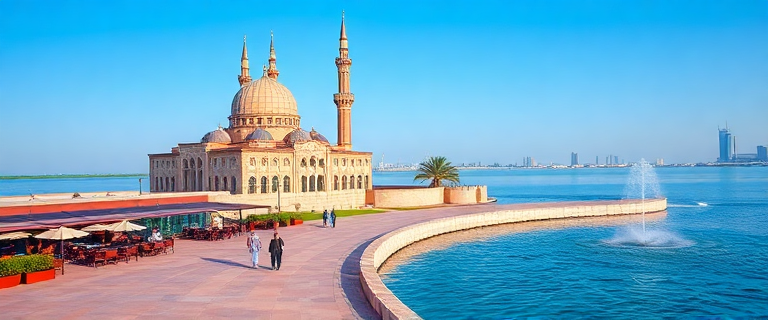
- Al Noor Mosque — An elegant crescent‑top mosque admired for its striking architecture and photogenic setting along Khalid Lagoon.
- Sharjah Aquarium — A family‑friendly venue focused on regional marine life and conservation, with engaging interactive displays.
- Al Majaz Waterfront — A landscaped promenade with fountains, dining, and waterfront views; a popular sunset and casual dining spot.
- Heart of Sharjah and Al Qasba — The Heart of Sharjah is a heritage district with restored houses and traditional souks; Al Qasba offers canal‑side dining, the Eye of the Emirates Ferris wheel, and year‑round cultural events.
- Sharjah Art Museum — A major collection of contemporary Arab art with rotating exhibitions and a strong UAE art presence.
- Wasit Wetland Centre — A Ramsar‑listed reserve ideal for birdwatching and family explorations in a peaceful natural setting.
- Sharjah Desert Park and nearby natural history venues — A combination of desert life exhibits, wildlife, and educational displays that appeal to curious visitors of all ages.
- Al Noor Island — A tranquil island with sculptures, gardens, and a Butterfly House, offering a serene counterpoint to the city’s busy corridors.
- Al Arsah and Central Market (Blue Souk) — Historic markets where you can browse handicrafts, textiles, and souvenirs in traditional surroundings.
- House of Wisdom — A modern cultural hub blending learning spaces, exhibitions, and public programs with a forward‑looking ethos.
- Al Mahatta Museum — The UAE’s first airport turned museum, highlighting aviation history and early 20th‑century travel (in the broader Sharjah area, often paired with other heritage sites).
- Sharjah Archaeology Museum — Artifacts from the emirate’s prehistoric and Bronze Age sites, offering context on the region’s ancient past.
For an authentic sense of Sharjah’s heritage, combine these cultural sites with scenic waterfronts and outdoor spaces. Because of its central location along the UAE’s eastern coast and its well‑tended roads, it’s also easy to weave in brief dives into Dubai or Abu Dhabi as part of a single trip.
Beaches & Outdoor Experiences in Sharjah
Sharjah presents inviting outdoor options, from city beaches to nearby natural escapes. Notable choices include:
- Al Khan Beach — A family‑friendly stretch with calmer waters and nearby promenade facilities, ideal for a relaxed day by the sea.
- Al Majaz Waterfront beach areas — Portions of the waterfront offer beach‑adjacent spaces with a pleasant backdrop for a casual day out.
- Sir Bu Nair Island — An offshore destination reached by licensed boat trips, known for snorkeling and marine life.
- Wasit Wetland Centre and surrounding nature areas — While not a traditional beach day, these parks provide family‑friendly outdoor exploration and birdwatching in tranquil settings.
For broader beach options, travelers sometimes extend to nearby emirates (such as Dubai’s Al Mamzar Beach Park) when a longer beach‑focused itinerary fits your plan.
Local Food & Dining in Sharjah
Sharjah’s culinary scene reflects its cultural openness and hospitality. Include these dishes and dining ideas in your trip:
- Shawarma and other grilled street offerings — Widely available from casual stalls to sit‑down spots.
- Machboos — A fragrant rice‑and‑protein dish featuring regional spices that showcase the local palate.
- Luqaimat and kunafa — Sweet treats that pair well with Arabic coffee and dates, common in bakeries and cafés.
- Harees — A hearty, slow‑cooked wheat and meat porridge enjoyed across the emirate.
- Arabic coffee and dates — A welcoming gesture in many cafés and homes, reflecting hospitality culture.
Sharjah’s dining scene ranges from family‑friendly eateries to more refined venues. In historic districts you’ll often find charming cafés and casual restaurants that make it easy to sample multiple local flavors without overspending.
Getting Around Sharjah
Efficient transport makes it straightforward to explore Sharjah and connect with nearby emirates. Options include:
- Public transport — Buses and some cross‑emirate routes connect to Dubai and beyond; use transit apps and plan for peak times.
- Nol Card — The same contactless card used in Dubai is accepted on some Dubai transport; understand how it applies to Sharjah travel and cross‑border trips if you plan to hop into Dubai by metro or tram.
- Taxis and ride‑hailing — Widely available and convenient for short hops or timing‑sensitive trips within the emirate.
- Car rental — A practical choice for trips to Hatta, Wasit Wetland Centre, or Wasit area, offering flexibility when public options are limited.
- Travel times — Cross‑emirate travel to Dubai or Abu Dhabi varies with traffic; build in extra time for day trips to maximize your experiences.
Because Sharjah sits close to Dubai and is well connected, many travelers use it as a cultural core within a multi‑city UAE itinerary, combining day trips or half‑days with time spent in Dubai’s museums or Abu Dhabi’s landmarks.
5‑Day Sharjah‑Focused Itinerary (with Dubai & Abu Dhabi)
Use this practical, day‑by‑day plan to balance culture, beaches, and a touch of desert landscapes. It’s designed to be flexible around your arrival point and flight times.
- Day 1: Arrival and Dubai highlights, then head to Sharjah — If you land in Dubai, start with a quick city survey (for example, the Burj Khalifa views, Dubai Mall, or Dubai Frame) before transferring to Sharjah for an evening in the Heart of Sharjah and Al Qasba. Enjoy a waterfront dinner and the canal‑side ambience.
- Day 2: Sharjah deep dive — Begin at the Sharjah Museum of Islamic Civilization, then walk the Heart of Sharjah to see restored houses and markets. In the afternoon, visit Al Noor Island for a peaceful stroll among gardens and butterflies, followed by a sunset walk along Al Majaz Waterfront.
- Day 3: Beach and waterfront day — Spend the morning at Al Khan Beach or enjoy the Al Majaz surroundings, then explore Al Arsah (Central Market) for traditional shopping and snacks. Consider an early evening boat tour along Sharjah’s corniche for water views.
- Day 4: Hatta day trip — Take a day trip to Hatta for desert and mountain scenery: kayaking at Hatta Dam, hiking, and photography along rugged landscapes. Return to Sharjah for a relaxed dinner.
- Day 5: Optional extension to Dubai or Abu Dhabi — If your schedule allows, visit Dubai’s coastline or stop in Abu Dhabi (Sheikh Zayed Grand Mosque, Corniche, Louvre Abu Dhabi). Alternatively, stay in Sharjah for another museum day (e.g., Sharjah Art Museum, Wasit Wetland Centre) and a farewell dinner in a traditional Emirati or contemporary restaurant.
Optional extensions include a beach day at a Dubai coastline location (such as Kite Beach or JBR) or a full Abu Dhabi day with Yas Island highlights, depending on flight times and energy levels.
Budgeting for Sharjah
Costs vary with travel style, but you can plan across economical to comfortable ranges. Consider these approximate daily budgets to tailor your plan:
- Budget traveler — AED 350–700 per day. Includes modest‑priced accommodations, affordable meals, public transport, and entry to major museums.
- Mid‑range traveler — AED 850–1,650 per day. Includes comfortable hotels, a mix of casual and nicer dining, occasional private transport, and a mix of paid attractions.
- Luxury traveler — AED 2,500+ per day. Encompasses premium accommodations, fine dining, private drivers, guided tours, and exclusive experiences.
Tips to save: use public transport where practical, choose local eateries for authentic flavors, and plan ahead for popular attractions during peak season to secure timed entries or discounts.
Practical Tips & Safety Advice
- Respect local customs and dress modestly when visiting mosques and cultural sites.
- Stay hydrated and protect yourself from the sun with sunscreen and a hat, especially outside peak hours.
- Book popular attractions in advance during peak seasons to avoid queues and sold‑out days.
- Use a Nol Card where applicable for Dubai public transport and understand cross‑emirate fare options if you’re moving between emirates by rail or bus.
- Follow local photography rules, particularly around religious sites and sensitive locations.
- Know where to access healthcare if needed and keep emergency contacts handy.
Sustainable Travel in Sharjah
Adopt simple eco‑friendly habits to protect Sharjah’s natural and cultural assets:
- Carry a reusable water bottle and minimize single‑use plastics at beaches and parks.
- Support local businesses and markets to boost the community and reduce long supply chains.
- Participate in beach clean‑ups or conservation‑minded activities when available.
FAQ About Sharjah Travel
How many days are enough to explore Sharjah?
A well‑structured visit can be comfortable in 2–4 days, focusing on museums, Heart of Sharjah, and waterfronts, with a day trip to nearby natural areas or a short extension to Dubai or Abu Dhabi for a fuller UAE experience.
Is Sharjah expensive for tourists?
Sharjah offers options for every budget. You can find affordable accommodations, casual dining, and modest museum admissions, as well as premium experiences.
Which city should I visit first when traveling to the UAE?
Dubai is the most common starting point due to its international airport and broad range of attractions, but a combined itinerary that also includes Sharjah and Abu Dhabi is a popular and efficient approach for first‑time visitors.
Is public transport reliable in Sharjah?
Public transport is available and improving, with buses and cross‑emirate connections. For maximum flexibility—especially for day trips to Hatta or Fujairah—car rental or private transport is recommended.
What is the best month to visit Sharjah?
November through March offers the most comfortable weather for sightseeing and outdoor activities, with lower humidity and more pleasant daytime temperatures.
Is Sharjah safe for tourists?
Yes. The UAE is regarded as a safe travel destination. As with any trip, follow local laws, respect cultural norms, and stay aware of your surroundings, especially in crowded areas.
Final Thoughts
Sharjah blends cultural depth with accessible city life and close‑by nature, making it an essential stop in any UAE itinerary. Its museums, heritage districts, and waterfronts provide a compact, high‑quality experience that complements Dubai’s modern energy and Abu Dhabi’s grand landmarks. With thoughtful planning—balancing indoor cultural immersion, outdoor exploration, beach time, and occasional desert adventure—you can enjoy a memorable visit that suits a range of budgets and interests.
For further inspiration and official information, Sharjah Tourism offers resources and updates to tailor your trip to seasonal events, guided experiences, and new openings: Sharjah Tourism.