Diwali 2026: Exact date, muhurats, and practical guidance for a safe, green celebration
Plan with confidence: Diwali in 2026 falls on a Sunday, 8 November. The tithi timeline and local muhurats matter for Lakshmi Puja, while regional customs shape the five-day festival across India. This guide reconciles date differences, explains muhurat windows, and adds practical safety and sustainability advice for a smoother celebration at home, at work, or abroad.
Date, tithi timing, and Lakshmi Puja muhurat
In 2026, Diwali falls on Sunday, 8 November. The Amavasya (new moon) tithi runs from 11:27 AM on 8 November and ends at 12:31 PM on 9 November. Lakshmi Puja is observed on the evening of 8 November in New Delhi, with the muhurat from 5:54 PM to 7:50 PM. Muhurats vary by city and local panchang, so readers should verify timings for their location.
The five principal observances typically associated with Diwali in 2026 extend across six calendar dates, reflecting regional differences in dating and ritual practice. The broad sequence starts with Dhanteras on 6 November, followed by Kali Chaudas (Chhoti Diwali) on 7 November. Narak Chaturdashi Abhyang Snan happens on the morning of 8 November, with Lakshmi Puja later that evening on 8 November. Govardhan Puja (Annakut) is commonly placed on 10 November, while Bhai Dooj can fall on 10–11 November depending on local calendars. Some regional calendars also show Govardhan Puja on 9–10 November or Bhai Dooj on 10–11, which is why the dates appear spread across six calendar days in 2026.
Separately, Dev Diwali (also called Dev Deepawali) is observed on Tuesday, 24 November 2026, in Varanasi. This is a distinct festival and should not be confused with the main Diwali date on 8 November.
Five days of Diwali: regional variations and core themes
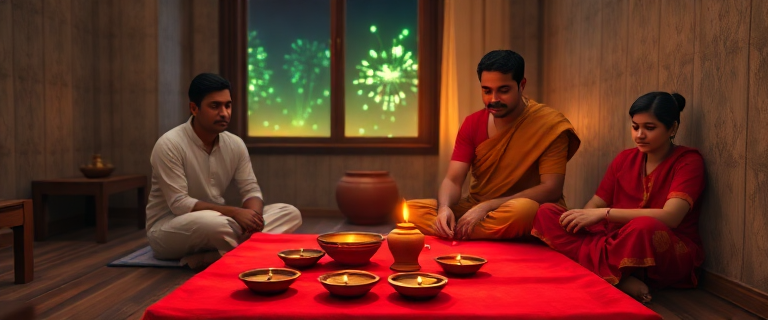
Across India, Diwali is celebrated over five days, though the order and naming of observances differ by region. The first day, Dhanteras, marks new beginnings and the purchase of wealth-related items; many communities welcome Lakshmi and Ganesh with puja and lamps. The second day is Kali Chaudas or Chhoti Diwali, a day of cleansing rites and, in some regions, an early morning oil bath. The third day is Lakshmi Puja, the festival’s peak moment of devotion and illumination, when households light lamps and perform prayers for wealth and well-being.
The fourth day, Annakut or Padwa, sees offerings to Krishna and abundant food symbolism; in Gujarat, it also marks the start of the regional new year with a focus on purchasing essentials. The fifth day, Bhai Dooj or Bhau-Beej, centers on the sister–brother bond, with rituals dedicated to family protection and prosperity. Regional flavors include Kali Puja in West Bengal and neighboring areas, and the Tamil Nadu emphasis on Narakasura’s defeat through pre-dawn oil baths. In Maharashtra, Vasubaras and Bhau Beej are commonly observed, while Gujarat highlights Chopda Puja—the worship of new ledgers and account books—as part of the business acumen tied to Lakshmi’s blessing.
These variations reflect India’s cultural diversity. Even within states, families adapt practices to fit local customs and community life, illustrating how Diwali remains a living festival that blends tradition with contemporary practice.
Public life and practical impact on a Sunday Diwali
Diwali 2026 is a gazetted public holiday in India, and its occurrence on a Sunday means most people do not receive an additional weekday off. Banks, government offices, and many schools may already observe their weekly holiday, while stores may follow Sunday opening hours. Transport services generally operate, but schedules should be checked with local authorities. State-level variations exist: some regions observe Deepavali-related holidays on Narak Chaturdashi or other dates. Readers planning travel, banking, shopping, or work should verify local holiday calendars and transport timetables in advance.
Green firecrackers, air quality, and safe celebration
The Supreme Court has permitted the manufacture, sale, and use of certified green firecrackers in Delhi and surrounding areas for a limited period. Proponents say green crackers emit 20–30% less pollution than conventional fireworks, but critics question overall effectiveness and note that non-green crackers can still reach the capital from neighbouring states. Readers should treat green crackers as a part of a broader approach to celebration, not a sole solution. Always verify the current rules in your state and buy only from licensed sellers with certification labels. If you live in a jurisdiction with tighter restrictions or limited availability, consider alternatives that reduce emissions and nuisance.
Air-quality context ahead of Diwali has shown severe levels in major cities. For example, Delhi’s AQI climbed into the very poor range ahead of the festival, while Mumbai also faced elevated levels in the weeks preceding Diwali. In recent updates, air quality has fluctuated, with readings sometimes improving to moderate levels as the festival nears. These dynamics underscore why many readers choose quieter celebrations or delays in outdoor fireworks, especially if vulnerable groups—children, the elderly, or those with respiratory conditions—are present in the home.
Diwali in the UK and the US: cross-border recognition
The Diwali story extends beyond India’s borders. In the United Kingdom, Diwali has gained formal recognition through enduring public and ceremonial support. Since 2009, Diwali has been celebrated at 10 Downing Street, a long-running public gesture of inclusion and cultural appreciation. London hosts public events, temple celebrations, and community activities that showcase Diwali’s national and diasporic significance. In the United States, attention to Diwali has grown alongside a broader recognition of cultural diversity; in 2025, Diwali achieved UNESCO Intangible Cultural Heritage status, adding global legitimacy to the festival’s celebration of light, knowledge, and community life. As of late 2025, Diwali was also recognized as an official holiday in three U.S. states: California, Connecticut, and Pennsylvania, with California confirming a statewide holiday status in October 2025. New York City has moved toward school-holiday considerations for Diwali, with related legislation and coverage continuing to evolve.
These developments help explain why international coverage often highlights UK public events and US state recognitions, while India emphasizes domestic calendars and regional customs. Readers abroad should check local government guidance for any formal holiday status, school calendars, and temple-led programming during Diwali week.
Dev Diwali (Dev Deepawali) note
Dev Diwali, also called Dev Deepawali, falls on Tuesday, 24 November 2026, and is celebrated most prominently in Varanasi on Kartik Purnima. It is a separate observance from the main Diwali on 8 November and should not be confused with the primary Diwali festival dates.
Frequently asked questions
When is Diwali 2026? The main Diwali date is Sunday, 8 November 2026.
Why is Diwali 2026 on 8 November instead of 9 November? Amavasya Tithi is present during the evening Pradosh Kaal on 8 November, so Lakshmi Puja is observed that evening even though the Amavasya period continues into 9 November in the morning.
What is the Lakshmi Puja time in Delhi for 2026? The Lakshmi Puja muhurat in New Delhi is 5:54 PM to 7:50 PM on 8 November 2026.
Is Diwali 2026 a public holiday? Yes, it is a gazetted public holiday in India, and the 8 November date falls on a Sunday, which may affect how holidays are observed locally.
When is Dev Diwali 2026? Dev Diwali is on Tuesday, 24 November 2026, in Varanasi.
What about Diwali in 2027? Diwali 2027 is on Friday, 29 October, per the New Delhi festival calendar.
Practical, reader-focused guidance
Beyond timing, the guide emphasizes practical decisions for a safer, greener Diwali. Consider prioritizing a green-cracker strategy, verifying local regulations, and consulting local panchangs for exact muhurats in your city. When planning with family or colleagues, factor in the Sunday timing to align travel, banking, and shopping plans. For readers celebrating abroad, coordinate with local communities and temple schedules to join in authentic, culturally respectful celebrations while observing local laws and environmental considerations.
Bottom line for Diwali 2026 planning
Diwali 2026 centers on Sunday, 8 November, with a complex tithi timeline and regionally diverse observances that extend across several calendar dates. Lakshmi Puja occurs on 8 November in Delhi, with muhurats varying by city. The holiday’s Sunday occurrence influences banking, transport, and holiday planning, while green-cracker policies and air-quality considerations shape how families celebrate. Readers can rely on the reconciliation provided here to navigate date differences (8 vs 9 November), understand the principal rituals, and plan safer, greener celebrations whether at home or abroad.