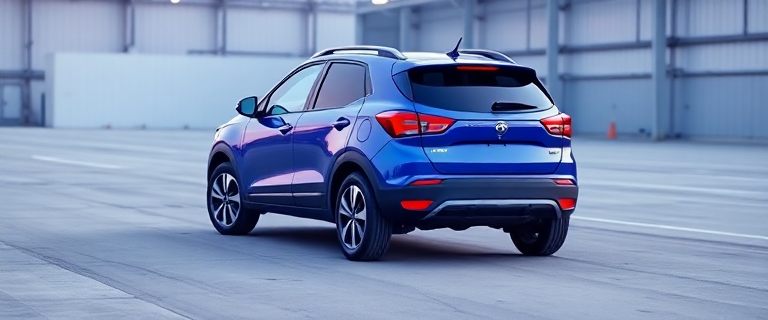
The Nexon has long been Tata’s best‑selling SUV in its class, known for a feature-rich pack, strong safety credentials, and a variety of powertrain choices. With a generation change overdue, Tata is testing a next‑generation Nexon in Maharashtra, signaling a major refresh that could debut in 2027. Industry chatter points to an internal codename for this program, Garud, and a comprehensive design and tech overhaul that preserves the Nexon’s core strengths while delivering a sharper stance and updated user experience. The current model has been on sale since 2017, making this upcoming generation a meaningful leap after nearly a decade in production.
Exterior design: what the spy shots reveal
The test mule preserves the overall silhouette of the current Nexon—sloping roofline and familiar proportions—while crucial details signal a generation upgrade. The A‑pillar appears sharper and more angular, contrasting with the rounded profile seen on the present model. Rear doors adopt a noticeably different shape, suggesting structural changes under the skin. At the tail, the tailgate, spoiler, LED taillamps, and rear bumper are all expected to receive redesigns, contributing to a more modern rear expression.
Camouflage hides most surfaces, but a flatter rear windscreen compared to the current Nexon hints at a broader rethinking of the rear cabin space and overall profile. The roof itself appears flatter toward the back, a change that should improve headroom feel for rear passengers. Wider rear haunches and tweaked wheel arches imply a more muscular stance, while the overall silhouette remains recognizably Nexon-like.
Smaller but meaningful cues include a redesigned C‑pillar, which looks more upright and substantial than today, reinforcing the new model’s presence. Spy shots also show a potential shift in rear glass geometry and a more contemporary rear end that should align with modern Tata design language. Enthusiasts will also be on the lookout for details like the hidden rear wiper, which has been mentioned in spy coverage, and a revised rear glass treatment that could influence visibility and aesthetics.
Interior, features and cabin tech
Inside, the next Nexon is expected to bring a refreshed cabin theme, a newly updated infotainment touchscreen with a revised user interface, and an upgraded digital cockpit. The current Nexon already features a 10.25‑inch infotainment display with wireless Android Auto and Apple CarPlay, a 10.25‑inch digital driver’s display, automatic climate control, a wireless phone charger, a large panoramic sunroof, voice assistance, and leatherette seating. The next generation should build on this by delivering a newer interior layout and enhanced connectivity, along with updated materials and finishing to elevate perceived quality.
Another anticipated interior upgrade is the possible inclusion of front power seats with ventilation, reflecting industry expectations from spy coverage. Confidence around this feature is rising, and readers should expect a formal confirmation as part of the official reveal.
Powertrains, transmissions and launch sequencing
Powertrain availability is expected to mirror the current Nexon’s strategy, with petrol, CNG, and a potential diesel option continuing, plus the introduction of an EV variant at a later stage. A notable transmission detail—important for buyers—is the range of gearbox options tied to each engine variant. Based on available information, the following transmission mappings are anticipated:
| Engine | Transmission options | Notes |
|---|---|---|
| 1.2-litre turbo-petrol | 5MT, 6MT, 6AMT, 7DCA | 7-speed DCA (dual-clutch automatic) highlighted as a key differentiator for the turbo-petrol variant. |
| 1.2-litre turbo-petrol + CNG | 6MT | Gasoline/CNG pairing continues with manual transmission options. |
| 1.5-litre diesel | 6MT, 6AMT | Diesel options expected to remain, though some reports note ongoing uncertainty about the future of the diesel variant due to emissions costs. |
In terms of launch order, industry reporting indicates the internal combustion variants—petrol, CNG, and possibly diesel—are expected to arrive first, with the electric version slated for a later launch. If true, this sequencing means buyers targeting an EV may have to wait a bit longer after the ICE/Nexon refresh hits showrooms. This approach aligns with typical Tata product pacing, where core ICE offerings lead the initial deliveries and EVs follow as charging and battery integration mature.
Several other powertrain notes are in play. The Nexon is expected to continue with a mix of five- and six-speed manuals and automatics, with ongoing refinements to automatic options. There is also talk of a flex-fuel variant being introduced alongside the mainline petrol and CNG options, reflecting Tata’s exploration of fuel flexibility in its newer platforms.
The diesel option’s fate remains uncertain; upgrading the 1.5-litre diesel to meet evolving emission standards could increase development costs and potentially influence a future discontinuation decision. Readers should watch for official confirmations as the program progresses.
Pricing, rivals and the launch timeline
Pricing for the current Nexon starts at Rs 7.40 lakh (ex-showroom) and scales up to Rs 14.30 lakh. With the new generation, Tata is expected to lift prices by roughly Rs 30,000 to Rs 50,000 depending on variant and trim levels. The exact pricing will depend on the final feature set, powertrain choices, and market positioning at launch.
Competition in this segment includes Maruti Brezza, Hyundai Venue, Mahindra XUV 3OO, Nissan Magnite, Maruti Fronx, Toyota Taisor, Renault Kiger, and the Kia Sonet. Some listings also mention Kia Syros as a rival, but its status remains unconfirmed and may be an error or an unreleased model. Readers should treat Kia Syros as unverified until corroborated by official or near-official sources.
Context and practical takeaways for buyers
From a buyer’s perspective, the most consequential changes lie in the design shift, the expanded powertrain mix, and the anticipated move toward a more modern interior with upgraded connectivity. The potential 7‑speed DCA on the turbo-petrol variant could be a meaningful differentiator versus rivals, while the C‑pillar redesign and a flatter roofline contribute to a refreshed silhouette and possibly improved rear headroom and visibility. For readers planning a purchase, the timeline matters: the ICE variants are expected first, with the EV version likely arriving later, so the wait for an EV Nexon should be planned accordingly.
Another practical note: the current Nexon has established a reputation for safety and feature richness, including a 5‑star BNCAP rating and Level‑2 ADAS, with features such as a 360-degree camera, rain-sensing wipers, TPMS, ESC, EPB, six airbags, and ISOFIX mounts. The upcoming generation is expected to carry forward this emphasis on safety, alongside updated digital displays and enhanced connected car technologies.
Design-driven details documented in spy imagery
Beyond the A‑pillar and rear area, the test mule hints at other refinements: a redesigned C‑pillar, a revised rear window and glass shaping, and potential updates to the roof geometry and rear lighting signature. The test mule’s wheels resemble the current model’s dual‑tone alloy wheels, suggesting wheel styling for early testing phases that could change in final production. The overall impression is of a more balanced, conventional profile that modernizes the Nexon without losing its essential character.
The project, internally dubbed Garud, is reported to be in testing with a planned 2027 launch window. While spy shots provide valuable clues, final specifications, feature lists, and the official name for the generation will come from Tata’s formal reveal. Until then, expect a carefully staged evolution rather than a radical redesign, with substantive changes centered on the C‑pillar, rear geometry, interior updates, and transmission choices that align with evolving emissions and technology standards.