The Ultimate Car‑Free Guide to Sicily
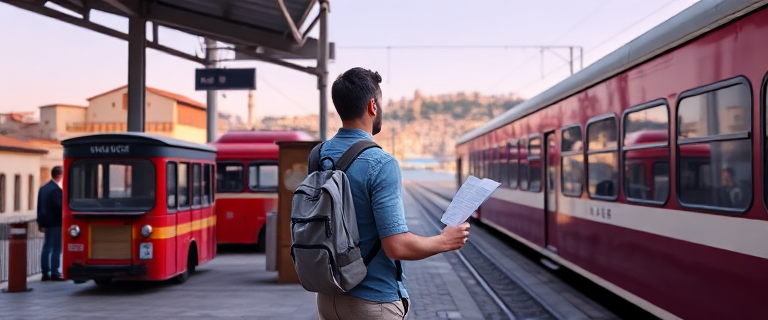
Sicily feels like a country within a country—an island with its own tempo, customs, and even a distinct dialect. This car‑free travel guide maps a two‑week (14‑day) itinerary that relies on efficient trains, reliable buses, and carefully curated day tours to cover the must‑see sights, comfortable bases, delicious food, and practical tips. If you’ve heard you “need a car” to enjoy Sicily, this guide proves otherwise. With thoughtful planning, you can explore Greek ruins, Baroque towns, lava landscapes, and pristine beaches without renting a car.
Why Choose a Car‑Free Trip in Sicily?
Traveling without a car in Sicily can feel liberating. You avoid parking headaches in historic centers, you navigate narrow streets more easily, and you can pack lighter while savoring a slower, more immersive pace. Public rail and bus networks connect the island’s major sights, and reputable day tours unlock access to iconic places. The trade‑offs include less spontaneity and, at times, longer transfers when sights are far apart. For many travelers—especially first‑timers—the car‑free approach shifts the focus to culture, cuisine, and the rhythms of Sicilian towns rather than traffic and parking logistics.
Getting There & Currency Basics
Entry points typically include Catania and Palermo, both well connected by flights and high‑speed rail from the Italian mainland. Sicily uses the euro. Cash remains handy in many places, with about half of transactions still preferring cash, so plan accordingly. Avoid dynamic currency conversion (DCC) at ATMs and be wary of Euronet ATMs. Visa and Mastercard are the most widely accepted cards, but having some local cash helps for markets, small eateries, and bus tickets bought in person.
Language & Communication
Italian is the official language, with a distinct Sicilian dialect heard in daily life. English is less widely spoken than in northern Italy, so learning a few basic phrases helps. A compact phrasebook or translation app (with offline capability) goes a long way, especially when buying tickets, asking for directions, or ordering in markets and family‑run eateries.
Choosing Your Bases
Three towns stand out as ideal bases for a car‑free Sicily itinerary: Catania, Ortigia (the old town of Syracuse), and Palermo. Each offers a different flavor and strong public‑transport connections to surrounding sights. Consider your preferred pace and focus—Etna and eastern sights from Catania; a compact, walkable base in Ortigia for Greek ruins and beaches; or the energetic hub of Palermo for southern and western day trips and a vibrant dining scene.
- Catania: A bustling, affordable base on Sicily’s east coast with excellent rail and bus links for day trips to Taormina, Mount Etna, and the Valley of the Temples. Staying here lets you unpack once and explore with a steady rhythm.
- Ortigia (Syracuse): A compact island town with ancient Greek ruins, a charming historic core, and easy access to beaches nearby. It’s especially good for a relaxed pace and fewer hotel moves.
- Palermo: The island’s historic capital—larger, more energetic, and richly layered with markets, cathedrals, and lively street life. It’s a perfect hub for southern and western day trips and offers a vibrant dining scene.
From Catania, Taormina and Mount Etna are accessible by day tours or rail connections; from Ortigia, Greek ruins and nearby beaches are excellent day trips; from Palermo, Monreale and Cefalù are straightforward hops with plenty of coastal options nearby.
Day‑Trip Playbook from Each Base
Plan a realistic two‑week schedule by anchoring your stay in each base and weaving in must‑see day trips with public transport or reputable tours. Here are tried‑and‑true options you can mix and match:
- From Catania → Taormina (about 1 hour by train). Consider a Mount Etna day tour (often via Get Your Guide) for hiking, wine‑tasting, or crater views. The Valley of the Temples (Agrigento) is a longer bus/train ride but doable as a longer day or combined with an overnight elsewhere.
- From Ortigia (Syracuse) → Greek ruins of Syracuse and the island of Ortigia itself; nearby beaches are accessible by short bus rides or local ferries.
- From Palermo → Monreale Cathedral (AMAT bus 389, about 20 minutes; pay on board, ticket ~1.40€; validate on boarding), Cefalù by train (roughly 1–1.5 hours), and Cefalù’s Rocca for a rewarding hill climb and sea views. Monreale is a highlight of Arab‑Norman architecture on Palermo’s outskirts.
In addition to individual sights, Sicily’s major gems include the Valley of the Temples in Agrigento for awe‑inspiring Greek ruins; Villa Romana del Casale near Piazza Armerina for its extraordinary Roman mosaics; Scala dei Turchi near Agrigento for its striking white limestone cliffs; Modica, Ragusa Ibla, and Noto for Baroque architecture and UNESCO status (the Val di Noto region); Cefalù’s medieval charm and Rocca hike, plus Isola Bella near Taormina for island scenery.
Transport Tips & Scheduling
Sicily’s public transport network is robust but not always perfectly predictable. Trains are reliable and inexpensive for longer coastal routes and connections between major towns. Buses fill gaps where trains don’t run, especially inland, and some routes may require extra planning. Practical tips to navigate efficiently include:
- Expect bus frequencies roughly every 60–90 minutes on central routes; allow extra time for connections.
- Always validate tickets before boarding; onboard checks are common and failure to validate can lead to penalties.
- For day tours and specialized experiences, Get Your Guide is a handy resource for booking Mount Etna hikes, winery visits, and coastal excursions.
- Train schedules are generally stable, but real‑time updates may be limited; check Trenitalia for tickets and timetables, and confirm day‑of passes when possible.
Intercity train travel is efficient and affordable, while buses help reach smaller towns not served by rail. If you’re planning inland trips, plan buffer time for delays to keep the itinerary relaxed and enjoyable.
Food & Dining Highlights
Sicilian cuisine blends influences from many cultures and local produce. Highlights to seek on every visit include arancini (fried rice balls often stuffed with ragù, cheese, or pistachio pesto), granita with brioche, and fresh seafood. Markets are a must‑visit: Ballarò in Palermo is a legendary open‑air market where you can sample street foods and fresh produce straight from vendors. The Sicilian Spritz is a regional twist worth trying in coastal towns, and don’t miss granita with brioche in summer markets and pastry shops.
- Arancini: fried rice balls commonly filled with ragù, cheese, or pistachio pesto in some towns.
- Granita and brioche: a quintessential Sicilian summer pairing.
- Markets: Ballarò in Palermo is a legendary open‑air market; sample street foods and fresh produce directly from vendors.
- Sicilian Spritz: a regional twist on the classic spritz, particularly enjoyable in coastal towns.
Accommodation Recommendations
Based on a car‑free itinerary, these hotels offer reliable bases with good access to transport and attractions:
- Catania: Duomo Suites & Spa—well‑located in the historic center, close to the fish market and main sights.
- Ortigia (Syracuse): Staying on the island provides easy walking access to the market, harbor, and ancient ruins.
- Palermo: Divisi Suites & Spa—central, stylish, and convenient for day trips and exploring the city’s nightlife and markets.
- In Cefalù, consider A Tonnara Charme B&B for ocean views and a short walk to town; Cefalù also offers good dining and Rocca hikes.
Packing & Practicalities
Carry‑on friendly packing plus a few day‑out layers works for most seasons. Essentials include:
- Light, breathable clothing for warm days; a light jacket for cooler evenings or higher elevations near Mount Etna.
- Comfortable walking shoes—Italy’s streets blend cobblestones with sunlit pavements.
- Cash for markets, small eateries, and tickets where cards aren’t accepted; carry around 50% cash as a rough guideline.
- A small daypack, sunscreen, hat, and a refillable water bottle.
Seasonality matters. For example, October can still be warm in the south, so pack flexible clothing. If you’re chasing beaches, Cefalù and the southern coast offer sunny days well into fall in many years.
Safety & Common Mistakes
Common pitfalls to avoid on a car‑free Sicily itinerary include over‑packing, relying on English speakers in all transport hubs, forgetting to validate transit tickets, and the usual pockets of pickpocket risk in crowded markets and tourist areas. A practical approach is to keep valuables secure, carry essential phrases, validate tickets, and stay aware in busy spots. If you’re unsure about a route, ask hotel staff or fellow travelers for local guidance.
Sample 2‑Week Itinerary (Car‑Free)
Here’s a practical day‑by‑day plan that packages the above insights into a cohesive two‑week route, focusing on car‑free travel.
- Day 1–5: Catania as Base — Explore the historic center, markets, and nearby day trips to Taormina and Mount Etna (choose a half or full day on Etna). Sleep in Catania.
- Day 6–8: Ortigia (Syracuse) as Base — Tour the Greek ruins, wander Ortigia’s markets, and enjoy sea‑side walks. Consider a day trip to Noto or the nearby beaches. Sleep in Ortigia.
- Day 9–12: Cefalù or Palermo transition — Travel by train to Cefalù for a beach‑relaxed couple of days, then continue to Palermo for urban exploration and Monreale. Sleep in Cefalù and then Palermo.
- Day 13–14: Palermo & Departure — Final day in Palermo; enjoy final meals and last strolls through markets before departure from Palermo Airport or onward travel.
Adjust the balance between east and west based on interests (Greek ruins, Baroque towns, or beaches). Ortigia often stands out for its charm, while Palermo offers a dense, multi‑layered experience with excellent food and nightlife. A typical 14‑night rhythm alternates bases every few nights, minimizing heavy packing and maximizing time on trains, in markets, and at eateries and scenic corners.
FAQs
- Do I need a car to visit Sicily?
- Not for a well‑planned itinerary. A car can offer freedom, but a car‑free approach using trains, buses, and day tours covers most highlights with minimal stress.
- What is the best base for a car‑free trip?
- Catania, Ortigia (Syracuse), or Palermo all work well. Choose based on your preferred pace and sights: east for Etna and Greek ruins, Ortigia for compact charm and easy day trips, Palermo for dense city life and southern access.
- How do I get from Palermo to Monreale?
- AMAT bus 389 runs from Palermo’s Piazza Independenza to Monreale; it takes about 20 minutes. Tickets cost around 1.40€ and should be purchased in advance at tabacchi or newsagents and validated on board. The cathedral is a short walk from the stop.
- What should I pack for a fall visit?
- Light clothing for daytime, a lightweight jacket for evenings, comfortable walking shoes, a compact daypack, and a small umbrella. Carry enough cash for markets and small vendors, and keep a card for larger purchases.
Safety, Reliability, and Helpful Extras
Sicily’s transport can be less predictable than in Northern Italy, especially inland buses. Build buffers into your schedule, stay flexible, and use reputable tours for more challenging routes (Etna hikes, island hops). If you’re unsure about a route, consult local hotel staff or fellow travelers. And remember: some of the best experiences come from wandering a market, sampling a street snack, or discovering a hidden ruin off the beaten path.
Conclusion
A two‑week car‑free Sicily itinerary is not only possible but highly enjoyable. You’ll experience a strong sense of place—the island’s hospitality, its dramatic landscapes, and a culinary tradition that blends Greek, Arab, and Italian influences. By choosing strategic bases, planning day trips with public transport and trusted tours, and savoring local foods in markets and family‑run eateries, you’ll leave Sicily with memories of timeless towns, rugged coastlines, and a slower, more delicious way of traveling.
Ready to start planning? Check rail and bus timetables, book Mount Etna or Taormina day tours, and map your bases to craft your own perfect two‑week, car‑free Sicily journey.
External reference for transport planning: Trenitalia