The Ultimate Guide to Virtual Reality Consoles
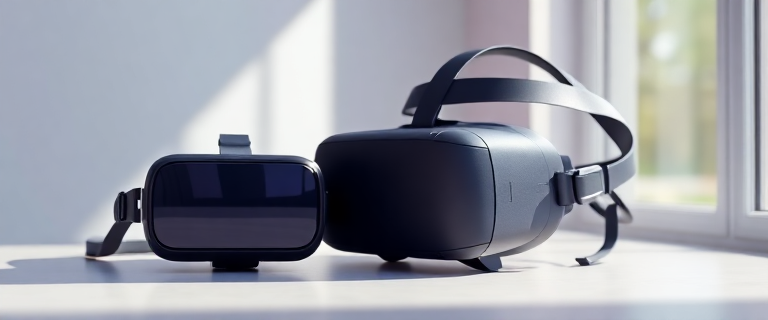
Virtual reality consoles have evolved far beyond the bulky headsets of a decade ago. Today you’ll find a mix of standalone devices that don’t require a PC and tethered systems that pair with a PC or console for higher-end graphics. This guide explains what a VR console is, compares leading models such as the Meta Quest 3 and the HTC Vive Focus Vision, clarifies pricing and game libraries, and offers practical setup tips to help you choose the VR that best fits your lifestyle.
What Is a Virtual‑Reality Gaming Console?
A virtual‑reality gaming console can be either self-contained or connected to a computer or console for processing power. The core distinction lies in where the heavy lifting happens.
- Standalone VR: All processing happens inside the headset, so no extra computer or console is required. Examples include the Meta Quest line and similar all‑in‑one devices.
- Tethered VR: The headset serves as a display and input device while a separate computer or gaming console does the heavy work. This category includes PCVR setups (SteamVR, Windows Mixed Reality, etc.) and some console‑linked experiences.
Typical VR hardware includes high‑resolution displays, tracking (inside‑out cameras on the headset or external base stations), motion controllers, and spatial audio. VR use cases span action and adventure, puzzles, simulations, fitness apps, social VR, and mixed‑reality experiences that blend digital content with your real environment.
Top VR Consoles
The market centers on a few strong options, with ongoing updates and new releases shaping what’s available. Here are concise snapshots of leading models and current price points to help you compare value, performance, and library size.
- Meta Quest 3 — 512 GB model priced at $599.99. It’s a highly rated standalone headset with thousands of user reviews (for example, 4,504 reviews on a 512 GB variant, and 6,679 reviews on a higher‑end 512 GB model). Multiple configurations exist: Quest 3 512 GB at $599.99 and $699.99 depending on edition, plus Quest 3S variants at lower price points (see below).
- Meta Quest 3S — 128 GB at $349.99 and 256 GB at $449.99. These are budget‑friendly standalone headsets with color pass‑through cameras and the same processing core as the higher‑end model, offering strong value for beginners.
- Meta Quest 2 Advanced — 256 GB at $434.99 or 128 GB at $449.99, often highlighted for outstanding reviews and robust app libraries that carry over into the Quest ecosystem.
- HTC Vive Focus Vision — A mixed‑reality and PC VR headset priced at $1,517.25, positioned as business‑oriented with a broader “mixed reality” emphasis than many consumer headsets, and strong collaboration features.
The Quest line has dominated standalone VR due to its all‑in‑one convenience, growing library, and the option to tether to a PC for more demanding PC VR titles. The Focus Vision represents HTC’s premium entry focused on mixed reality and PC VR integration, often targeting business or professional deployments but also offering consumer capabilities.
For context, readers often search for terms like VR headset reviews and Best Buy VR deals to gauge real‑world pricing, availability, and sentiment. Retailers frequently highlight deal cycles that may temporarily alter pricing on popular models.
Feature Comparison: Meta Quest 3 vs. HTC Vive Focus Vision
When choosing between a leading standalone headset and a feature‑rich mixed‑reality tethered device, consider resolution, tracking, processing power, storage, battery life, and the size of the game library or app catalog.
| Feature | Meta Quest 3 | HTC Vive Focus Vision |
|---|---|---|
| Display and Resolution (per eye) | High‑res LCD; Quest 3 offers an upgraded visual presentation with a wider field of view versus earlier Meta headsets | Mixed reality capable with high‑resolution display; designed for PC VR compatibility |
| Tracking | Inside‑out tracking with outward cameras for mixed reality pass‑through | Inside‑out tracking (base station options in some configurations); designed for precise tracking in professional contexts |
| Processor/GPU | Qualcomm Snapdragon XR2 Gen 2 (onboard) | High‑end mobile/desktop‑leaning processing for PC VR integration; exact chip varies by model |
| Storage options | 512 GB variant commonly highlighted; other configurations exist | Typically higher price with professional storage configurations; consumer options vary |
| Battery life (standalone) | Typical standalone tradeoffs include limited battery life under heavy use | Auxiliary power for PC VR operation; not a pure standalone experience |
| Price vs. performance | Quest 3 is positioned as a strong all‑around value (often around $499–$699 depending on configuration) | Focus Vision commands a premium (over $1,500) reflecting mixed reality capabilities and PC VR integration |
| Game/library size and exclusives | Vast and growing Quest library; many experiences cross‑buy across Quest devices; some titles are exclusive to Meta’s ecosystem | Smaller consumer library; strong emphasis on business applications and mixed‑reality experiences; cross‑compatibility with PC VR titles |
In practical terms, Quest 3 is typically the better pick for most solo or family gamers seeking ease of use, a large library, and the flexibility to play without a PC. Focus Vision is compelling for users who want advanced mixed‑reality features and PC VR integration, often with a higher price and more limited overlap with consumer titles.
For a broader view of the XR landscape, standalone headsets like Quest offer quick setup and portability, while tethered options can deliver higher fidelity graphics for PC‑driven experiences.
Standalone vs. Tethered: Which Is Right for You?
Your choice between standalone VR and tethered VR largely depends on how you plan to play and where you’ll play.
- Standalone VR (e.g., Quest 3/Quest 3S): The major benefit is complete freedom—no cables, no external computer required, and quick setup for casual or family play. Battery life and processing power are limited by the headset’s internal hardware, but modern standalone devices offer rich experiences and easy access to multiplayer and social VR.
- Tethered VR (PC VR or console‑connected): You trade portability for maximum performance. A PC‑based system or dedicated console can run more demanding titles at higher fidelity, provided you have a capable computer or console and, in some setups, base stations or sensors for tracking. Cables and room setup can be more demanding.
The standalone elder statesman, Apple Vision Pro, represents another end of the spectrum with its spatial computer approach, eye and hand tracking, and premium positioning. It demonstrates the breadth of the XR market, where devices range from mass‑market standalone headsets to professional, feature‑rich systems. The Vision Pro is priced well above most consumer VR headsets at $3,499, reflecting its premium hardware and software ecosystem.
For most buyers, starting with a standalone headset like Quest 3 or Quest 3S is a practical path. If you anticipate a need for PC‑quality graphics and a larger library of PC VR titles, consider how a tethered option or cross‑compatibility with a PC setup could enhance your future library.
Exclusive Games and Platform Ecosystems
Platform ecosystems shape the overall value of a VR headset. Some titles and experiences are exclusive to a given platform, which can influence your decision beyond hardware specs.
- Meta Quest 3: The Quest ecosystem includes a wide range of apps and games designed for standalone use, with many experiences exclusive or optimized for Quest. Bundles and promotions run through Meta Horizon services that can add value to a long‑term investment.
- HTC Vive Focus Vision: Focus Vision emphasizes mixed reality and business applications. While the consumer catalog is strong, the platform also prioritizes cross‑compatibility with PC VR libraries and professional software, expanding its utility beyond pure gaming.
- Cross‑platform titles: Many popular VR games support multiple platforms, so you can enjoy some experiences on Quest devices or PC VR depending on availability and your preferred controls.
- Future releases: Platform roadmaps typically feature announced titles and ongoing updates from manufacturers, so check official channels for the latest exclusives and cross‑platform plans.
When evaluating exclusive titles, consider not just the current library but how the ecosystem supports growth, add‑on content, social experiences, and compatibility with future headset upgrades.
Practical tip: price tracking can influence decisions, and promotions—such as Best Buy bundles or seasonal deals—may shift the value proposition. Retailers frequently offer bundles, refurbished options, and discounts that can impact the final cost.
Setting Up Your VR Console: Play Area, Safety, and Accessories
A great VR experience goes beyond the headset itself. Safe setup and the right accessories make long sessions more comfortable and enjoyable.
- Choosing a play area: Select a spacious, obstacle‑free space. Clear furniture and objects to reduce the risk of slips, trips, or collisions. Bigger play spaces are especially helpful for games with vigorous movement.
- Sensor placement and calibration guidance: Standalone headsets with inside‑out tracking rely on the cameras on the headset. Ensure a clear line of sight to your play area and follow the manufacturer’s calibration steps to optimize tracking accuracy.
- Recommended accessories:
- Controllers designed for precise motion input and comfortable grip
- Grip straps or safety straps to prevent accidental drops
- External sensors or base stations if you use older tethered PC VR systems
- Eye or hand tracking accessories where supported (in some premium ecosystems)
- Common pitfalls and how to avoid them: Inaccurate tracking, cramped spaces, or miscalibrated boundaries can cause discomfort or accidents. Regularly recalibrate boundaries, ensure adequate space, and take breaks to avoid motion sickness or eye strain.
A safe, well‑lit play space helps you get the most out of your VR headset, whether you’re exploring immersive games, social worlds, or productivity apps in mixed reality environments.
Buying Guide: How to Choose the Best VR Console for You
To narrow your choice, consider practical decision factors and follow a logical buying path.
- Budget ranges: Standalone headsets like Quest 3/Quest 3S offer strong value, typically ranging from about $349.99 to $699.99 depending on configuration. Higher‑end options like the HTC Vive Focus Vision command premium prices, often around $1,500+ for mixed reality capabilities and PC VR compatibility. If you’re on a tighter budget, the Quest 3S or Quest 2 variants provide compelling experiences at lower prices.
- Key specs to prioritize: Look for resolution per eye, field of view, refresh rate, tracking reliability (inside‑out vs. external sensors), and storage. A larger library and cross‑platform compatibility can influence value beyond raw specs.
- Ecosystem and exclusive titles: Decide how important exclusive experiences are for you. Quest’s library, cross‑play options, and Horizon ecosystem can be a major draw, while Focus Vision emphasizes mixed reality and PC VR integration with a different content mix.
- Where to find the best deals: Retailers such as Best Buy frequently offer VR bundles, refurbished options, and seasonal discounts. Look for free shipping, clearance items, or member deals where available.
- Warranty and support: Consider warranty terms, return windows, and the after‑sales ecosystem. A robust support network can save time and frustration if you encounter hardware or software issues.
As you shop, follow a practical checklist:
Start by clarifying your main use—casual gaming, social VR, fitness, or professional/creative work in mixed reality. Set a budget and compare standalone versus tethered trade‑offs for your space and play style. Evaluate the game library and exclusives on each platform, and assess features you value most (resolution, pass‑through quality, eye tracking, battery life). Finally, check retailer deals and warranty terms to choose a configuration that fits your needs.
For many buyers, starting with a Meta Quest 3 or Quest 3S offers a balanced mix of cost, performance, and convenience. If you anticipate heavy PC VR use or require advanced mixed reality features for work, exploring the Focus Vision or other PC‑VR ready systems may be worth the higher upfront investment.
Frequently Asked Questions
What types of games can I play on virtual reality gaming consoles?
VR headsets support a wide range of genres, including action, adventure, puzzles, simulations, sports, and immersive social experiences. Many platforms support multiplayer and social VR in addition to single‑player titles, with the catalog expanding as ecosystems evolve.
Do I need a separate computer or device to use a VR gaming console?
It depends on the headset. Standalone VR devices like the Meta Quest 3/Quest 3S run entirely on board and don’t require a PC. Tethered VR devices connect to a computer or console for processing power, enabling higher‑fidelity graphics and access to PC VR libraries.
Can I use regular gaming accessories with a VR gaming console?
Many VR systems support specialized VR controllers and accessories for immersive input. Some platforms can work with standard gaming peripherals, but compatibility varies by headset, so verify per model before buying.
Are there exclusive games available only for certain VR gaming consoles?
Yes. Some platforms offer exclusive experiences, reflecting partnerships with developers or in‑house studios. Exclusive titles can influence platform choice beyond hardware specs.
How do I set up a play area for my VR gaming console?
Choose a spacious, obstacle‑free area. Follow the manufacturer’s sensor placement and calibration guidelines to ensure accurate tracking and a safe, immersive experience. Regularly check boundaries and take breaks to prevent fatigue or motion sickness.
For a broader view beyond these basics, you can explore expert comparisons on current headsets and ecosystems. A reputable technology site often discusses the evolving VR landscape, tracking technologies, and how devices perform in real‑world usage.
Learn more from The Verge