Top 5 Travel Destinations to Visit in 2026
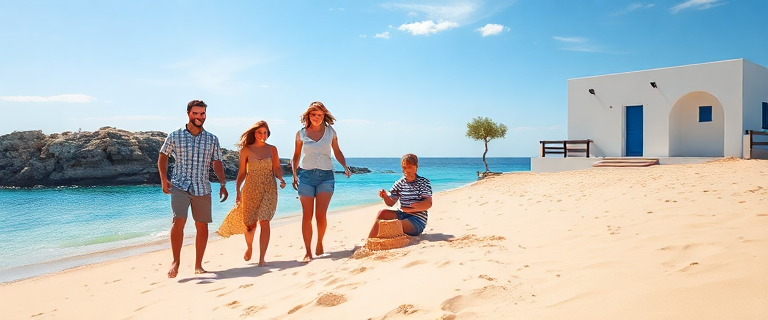
In 2026, meaningful travel spans oceans and continents, inviting you to slow down while soaking up culture, cuisine, and connection. This curated list emphasizes family‑friendly experiences, slow travel rhythms, and genuine cultural immersion. Think sun‑drenched beaches, timeless streets, desert skies, and tranquil lakesides—each destination offers a distinct pace that invites you to linger, observe, and engage with local life.
These choices reflect current travel trends and the author’s hands‑on observations from industry events like WTM London, where destinations spotlight boutique stays, rising cultural hotspots, and experiences that linger. The thread running through every pick is not just beauty; it’s the chance to return home with more memory, more understanding, and more stories to tell.
Why These Destinations Matter in 2026
The selections are guided by slow‑travel principles, family‑friendly options, and authentic cultural immersion. The aim is to highlight places that reward time spent there—places that invite you to slow your pace, slow your schedule, and slow your expectations just enough to notice the details that make a place unforgettable. In 2026, the destinations below offer a balance of warmth, accessibility, and depth that helps travelers reconnect with people and place, rather than simply checking items off a list.
1. Naxos, Greece – The Island of Golden Beaches & Slow Living
For 2026, Naxos emerges as the quintessential Greek island for families and travelers seeking a calmer, more authentic Aegean experience. If other Cycladic giants like Zakynthos, Santorini, or Mykonos feel crowded or polished, Naxos moves at a different tempo: expansive golden beaches, clear turquoise waters, and hill‑side villages where whitewashed homes nestle into the landscape.
What makes Naxos compelling in 2026 is a combination of approachable beaches, authentic towns, and welcoming hospitality. Beaches such as Agios Prokopios and Plaka invite slow days with shallow waters that are ideal for little ones and relaxed swims for parents. Towns like Halki, Filoti, and Apiranthos offer genuine tavernas and local charm, revealing a quieter Cyclades side. The cuisine—lamb, grilled octopus, and especially Naxian cheese—offers memories that linger long after the trip. And the atmosphere—families welcomed, meals enjoyed at a leisurely pace—fits a family with a toddler and travelers seeking a relaxed Greek escape. Naxos also contrasts with its better‑known rivals by preserving traditional island character without sacrificing accessible amenities.
Personal moments on a slow Greek escape—watching a child splash in shallow water, long seafood dinners that stretch toward sunset, and afternoons wandering Halki with freddo cappuccinos—illustrate why Naxos deserves a top spot for 2026. It balances natural beauty with space, calm, and genuine warmth, serving both families and couples seeking an authentic experience that doesn’t rush you forward.
2. Warsaw, Poland – Europe’s Affordable Culinary Capital
Warsaw is quietly riding a momentum wave in 2026, pairing a rebuilt, modern skyline with a vibrant cultural and culinary scene. The city feels fresh, accessible, and endlessly engaging for travelers who want city energy without the sticker shock of many Western European capitals.
Why Warsaw matters in 2026: its evolving culinary landscape blends bold modern flavors with refined Polish traditions, creating an exciting dining culture that sits alongside innovative cafés and fusion concepts. The urban environment is design‑forward, with parks and riverside walks contributing to an inviting, lived‑in vibe. Museums, historic sites, and a thriving arts calendar offer depth without the overwhelming crowds of larger capitals. And affordability remains a clear advantage, enabling rich food, culture, and nightlife experiences without overspending. The overall energy feels dynamic—curious, authentic, and resilient—making a weekend or longer stay genuinely addictive.
From riverside evenings along the Vistula, where music and food trucks create a festival feel, to sunlit mornings in parks with iced coffee, Warsaw invites visitors to notice the small details: the tram rhythms, bakery aromas, and the creative pulse found in interactive museums, design markets, and unexpected galleries. The city grows on you: it may surprise at first, then become irresistible, especially as momentum and opportunity converge in 2026.
3. Costa Brava, Spain – Hidden Turquoise Coves
The Costa Brava remains a go‑slow, go‑local coastal escape. Its coastline rewards discovery without crowds, with each town carrying its own seaside personality. For families and curious travelers, Costa Brava offers turquoise coves, medieval villages, and seafood that tastes as fresh as it gets.
Highlights that anchor Costa Brava in 2026 include secluded coves with crystal water such as Cala Sa Tuna and Cala Aiguablava—perfect for calm snorkeling and gentle beach days. Medieval towns like Peratallada, Pals, and Begur offer walkable streets and distinct local flavors. The seafood culture runs from casual chiringuitos to restaurants with sea‑view settings, all carrying a relaxed Spanish summer vibe. Beaches are family‑friendly, with shade, generous beach days, and eateries that welcome families, so you don’t need to over‑plan.
Costa Brava’s spontaneity—lunch on a sunny terrace, a late afternoon wander through Begur’s coves, or a sunset stroll along the coast—often becomes the standout moment of a Spain itinerary in 2026. It’s the kind of coast that blends beach time with village wandering, allowing you to feel connected to local life without overdoing the itinerary.
4. Sicily, Italy – Baroque Heaven & Volcanic Landscapes
Sicily remains a Mediterranean icon in 2026, experiencing a renaissance that feels both fashionable and deeply authentic. Boutique hotels tucked into historic palazzi, vineyard stays with sweeping views, and rustic farms serving food that tastes like Nonna’s kitchen are features of a living culture. Yet Sicily’s essence remains unmistakable: sun‑bright, intensely flavorful, and built for slow travel where towns feel like living museums.
What makes Sicily essential in 2026? Baroque towns anchor the experience—Noto, Modica, Ragusa—where architecture commands attention and streets feel cinematic. Pistachios power many dishes—from pesto to pasta, granita to cannoli—delighting the palate and signaling a cuisine that lingers in memory. A slow‑travel rhythm—morning swims, long lunches, and evenings on terraces with wine and a sea breeze—encourages unhurried exploration. The road‑trip potential is abundant, with Etna wines, volcanic landscapes, and multiple coastal towns offering postcard‑worthy scenery and experiences.
Highlights include the Baroque trio of Noto, Modica, Ragusa, the volcanic terroir around Etna, and the region’s rustic, genuine Italian dining. Sicily rewards patient travelers who savor long meals, strolls through ancient streets, and sunset moments by the sea with local wine in hand. It’s a place that feels both beautiful and alive in every moment, inviting you to slow down and savor it fully.
5. Sharjah, UAE – Desert Eco‑Resorts & Light Festival
Sharjah offers a cultural counterpoint to the UAE’s more familiar hubs. It blends desert serenity, heritage neighborhoods, and a growing contemporary art scene into a calm, thoughtful travel experience. In 2026, Sharjah stands out for travelers seeking depth and balance—desert experiences, preserved heritage, and an art ecosystem that tells meaningful stories.
What makes Sharjah compelling in 2026? Desert eco‑resorts provide tranquil days and starry nights, while restored heritage neighborhoods offer a tangible sense of place and history. The art scene emphasizes thoughtful, storytelling‑driven exhibitions. The Sharjah Light Festival in February turns the city into an immersive art experience after dark, lighting up mosques, monuments, and public spaces with bold installations. The pace remains measured, with an emphasis on substance and space rather than hype. For travelers seeking a culturally rich UAE experience that feels grounded and approachable, Sharjah delivers.
Sharjah’s strength lies in its quiet days, desert sunsets, and evenings spent exploring heritage and contemporary art. It’s a destination where you can take your time, feel connected to the region, and still leave with a sense of wonder—making it a strong choice in 2026.
Practical Tips for 2026 Travel Planning
Across these five destinations, a few practical considerations help you travel more smoothly in 2026. For families with babies or toddlers, prioritize beaches with shallow waters, gentle seas, and access to shade. Naxos and Costa Brava are standout examples of beaches that balance play and relaxation for younger travelers.
Immerse in local food and culture by leaning into authentic experiences—eat where locals eat, visit markets, and sample regional specialties (Naxian cheese, modern Polish cuisine, Costa Brava seafood, Sicilian pistachios, and Bahian flavors in Brazil‑inspired itineraries). Visiting off‑peak times can reduce crowds and costs while offering a more intimate view of daily life in places such as Warsaw, Costa Brava towns in shoulder seasons, and Sicily’s quieter inner towns.
When planning logistics and safety, check visa requirements and local transport options (high‑speed trains in Europe, domestic flights in the UAE, etc.), and stay informed about general safety guidelines for your destinations. A little pre‑planning goes a long way toward a calmer trip.
Budget & Cost Considerations (High‑Level)
Costs will vary across destinations and seasons. Warsaw is notably affordable relative to many Western European capitals, while Naxos, Costa Brava, Sicily, and Sharjah offer a mix of mid‑range and premium options depending on hotel choices and dining styles. The plan emphasizes family‑friendly stays and mid‑range experiences to balance budgets, with flexible, premium options available if desired. Prices can fluctuate, so treating the plan as a flexible guideline helps you tailor experiences to your pace and budget.
Day‑by‑Day Itinerary Ideas (Optional)
To spark planning, consider flexible outlines you can adapt to your pace. For Naxos, begin with Halki and a beach afternoon at Agios Prokopios; next, enjoy a seafood dinner in Naxos Town, followed by hillside villages like Filoti and Apiranthos with a relaxed beach day, and end with a family‑friendly boat excursion at sunset. In Warsaw, start with the Old Town and a stroll through Łazienki Park, then explore modern museums and a rooftop café, followed by a riverfront walk and a nearby historic site or creative market. Costa Brava could begin with Calella de Palafrugell for lunch and beach time, move to Begur for a coastal hike, and finish with Tossa de Mar’s local fiesta or a coastal market, ending with snorkeling in a protected cove. Sicily’s rhythm might center on a Baroque town circuit (Noto, Ragusa, Modica), Etna region wine tastings, a coastal drive with sunset in a fishing village, and a final stop in Taormina or Cefalù for scenery. Sharjah offers a desert eco‑resort stay with stargazing, a heritage neighborhood walk, and an evening at Sharjah Light Festival, capped by a calm beach afternoon and a local dining experience.
Coupled with these ideas, you can weave in local experiences—markets, museums, and tastings—that amplify the sense of place without turning travel into a rigid schedule.
Conclusion & Final Thoughts
These five destinations—Naxos, Warsaw, Costa Brava, Sicily, and Sharjah—offer a thoughtful mix of family warmth, slow travel rhythms, and deep cultural immersion for 2026. They demonstrate that travel can be restorative and transformative: you can slow down, savor local flavors, and collect stories that endure long after you return home. Start planning early, tailor experiences to your pace, and leave room for the unexpected moments that make travel memorable. In 2026, choose depth over hype and experiences over checklists—pick places that feel alive, not overdone.
FAQ
Why is Naxos recommended for 2026?
Because it delivers the calm, authentic Greek island experience—long golden beaches, white villages, superb local food, and a family‑friendly atmosphere that’s perfect for slow travel.
What makes Warsaw a good 2026 destination?
Warsaw combines a booming culinary scene, stylish cafés, parks and riverfront walks, modern museums, and affordability, all wrapped in a vibrant, evolving city vibe.
What are the key attractions of Costa Brava?
Hidden turquoise coves, charming medieval towns, crystal‑clear waters for snorkeling, and superb seafood, all set in a relaxed, unpretentious summer mood.
Why choose Sicily for 2026?
Sicily offers Baroque towns, deeply flavorful regional cuisine (notably pistachio‑forward dishes), volcanic landscapes, and a slow‑travel rhythm that invites lingering meals and unhurried exploration.
What unique experiences does Sharjah offer?
Desert eco‑resorts, restored heritage neighborhoods, a thoughtful art scene, and the Sharjah Light Festival—creating a cultural experience in a spacious, accessible setting.
How does Iceland’s aurora season affect travel plans?
For aurora seekers, winter 2026 presents a strong window due to a solar maximum, increasing the likelihood of intense aurora displays. It rewards patient travel and can be paired with warm, cozy stays and dramatic winter landscapes.