What Is Tommy Karate About?
Tommy Karate reimagines the gangster story for a contemporary audience by centering psychological depth alongside brutal realism. The crime-thriller stars Pete Davidson as Tommy Pitera, a member of the notorious Bonanno crime family, and adapts material from Philip Carlo’s true-crime book The Butcher: Anatomy Of A Mafia Psychopath. The narrative follows Pitera’s capture by DEA Agent Jim Hunt, portrayed by Paul Walter Hauser, and plunges into the violent, intricate world of organized crime. Production is slated to begin in June, with North.Five.Six, Two & Two Pictures, and Gramercy Park Media at the helm. Davidson also serves as a producer and co-writer, reflecting his long-term commitment to the project.
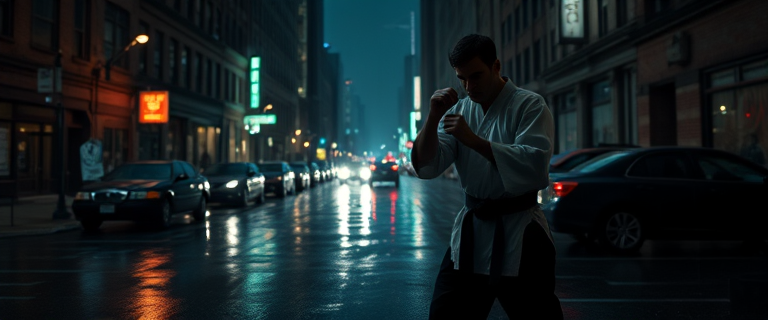
A distinctive feature of the film is its emphasis on Pitera’s background in karate, a detail that adds a physical and moral dimension to the mafia story. Pitera was convicted in 1992 for murder and operating a drug operation and is believed to be responsible for as many as 60 murders. He is currently serving a life sentence at USP Big Sandy in Inez, Kentucky. Directed by Justin Chon, whose credits include Blue Bayou and Pachinko, Tommy Karate aims to fuse the brutal edge of its genre with intimate character study, delivering both visceral intensity and emotional nuance.
Defining the Crime-Thriller Genre
At its core, the crime-thriller genre centers on criminal activity, layered plots, morally gray characters, and an ever-present sense of danger. Unlike certain classic gangster films that glamorize crime, crime-thrillers typically foreground psychological tension and the consequences of every decision. They blend suspense, mystery, and action to create a multi-layered experience that keeps audiences on edge. Tommy Karate aligns with this approach by anchoring its drama in the real-life arc of Tommy Pitera, while weaving in his karate background to deepen the character’s physical and mental repertoire. That combination—gritty realism plus character-driven psychology—helps the film stand out in a landscape where modern crime-thrillers increasingly reward emotional honesty as much as adrenaline-fueled sequences.
In this framing, Tommy Karate is not just a recounting of crime; it’s a study of how personal history, training, and circumstance shape choices under pressure. This alignment with the genre’s evolving expectations can make the film resonate with audiences who crave a story that feels authentic and emotionally resonant, not merely sensational.
From Page to Screen: The Book Behind the Film
The film’s foundation rests on Philip Carlo’s The Butcher: Anatomy Of A Mafia Psychopath, a meticulous true-crime portrait of Tommy Pitera. Carlo’s work provides an in-depth account of Pitera’s life and criminal enterprises, offering a textured source for the screenplay. The production team, led by director Justin Chon, is expected to lean on Carlo’s research to sustain authenticity as the story moves from page to screen. Chon’s track record—with projects like Blue Bayou and Pachinko—suggests an approach that blends individual, personal storytelling with broader social and cultural themes, a method that Tommy Karate aims to mirror in its exploration of Pitera’s journey within the criminal ecosystem.
Tommy Karate vs. Classic Mafia Films
Tommy Karate stands apart from venerable mafia classics by treating the material through a contemporary lens and prioritizing psychological realism. Whereas films such as The Godfather or Goodfellas often depict the criminal world with a certain glamour, Tommy Karate seeks to illuminate the harsher, more brutal truths of organized crime. This shift mirrors a broader trend in modern crime-thrillers: audiences respond to nuanced character development and authentic, grounded storytelling as much as to action. The film’s emphasis on Pitera’s psychological landscape and the influence of martial training adds a distinctive layer, offering a more intimate, sometimes unsettling, portrait of a criminal figure.
| Aspect | Tommy Karate | Classic Mafia Films |
|---|---|---|
| Focus | Psychological depth, personal journey | Glamour, power, action |
| Setting | Contemporary, gritty realism | Nostalgic, often romanticized |
| Character Development | Complex, morally ambiguous | Archetypal, often larger-than-life |
| Action Sequences | Minimal, focused on tension | Frequent, often spectacular |
Behind the Scenes: Production Steps
The creation of Tommy Karate unfolds in stages that mirror best practices in contemporary filmmaking. Pre-production centers on rigorous research and script development, drawing from Carlo’s book to ground the screenplay in real events. This phase also encompasses casting, scouting locations, and assembling a production team capable of translating the script’s vision into cinematic detail. Principal photography is scheduled to begin in June, with filming planned for locations across New York City and Staten Island to capture an authentic urban atmosphere. Post-production will then handle editing, sound design, and visual effects, with the director Justin Chon and producer Pete Davidson guiding the cast and crew to realize the film’s distinctive look and tone.
Cast & Crew Highlights
The film’s cast and crew boast a mix of established and rising talents. Pete Davidson stars as Tommy Pitera and also serves as a producer and co-writer, underscoring his deep involvement in the project. Paul Walter Hauser takes on the role of DEA Agent Jim Hunt, bringing the intensity he’s known for from projects like Black Mass and I, Tonya. Camila Mendes and Simon Rex round out the principal cast, adding depth to the narrative. Justin Chon directs, bringing his experience with intimate storytelling and cultural themes to the project. The production team includes Lucan Toh, Ford Corbett, and Nathan Klingher, whose backgrounds contribute to a robust behind-the-scenes effort designed to meet high industry standards.
Key Facts & Statistics
Tommy Karate is a crime-thriller built around the true-crime narrative of Tommy Pitera, drawn from Philip Carlo’s The Butcher: Anatomy Of A Mafia Psychopath. Justin Chon directs the project, with Pete Davidson portraying Pitera. Production is slated to begin in June, filming in New York City and Staten Island, and the project is being produced by North.Five.Six, Two & Two Pictures, and Gramercy Park Media. Distribution responsibilities lie with WME Independent and CAA Media Finance. While a formal release date has not yet been announced, the film’s fresh angle and authentic sourcing have already generated considerable industry buzz.
| Aspect | Details |
|---|---|
| Genre | Crime-thriller |
| Production Begins | June |
| Filming Locations | New York City, Staten Island |
| Production Companies | North.Five.Six, Two & Two Pictures, Gramercy Park Media |
| Distribution | WME Independent, CAA Media Finance |
The film Tommy Karate offers a fresh, contemporary take on the gangster genre by prioritizing psychological depth and realism. Its storytelling rests on authentic foundations—rooted in Carlo’s true-crime account—promising a gripping, credible narrative. The project also benefits from a strong team, including Pete Davidson as a producer and co-writer, Paul Walter Hauser’s intense performance potential, and Justin Chon’s directorial vision. In addition to its gritty realism and strong cast, the film’s focus on psychological and emotional complexity adds cultural relevance and intellectual engagement to the crime-thriller experience.
As with any intense crime-centric drama, Tommy Karate may push some viewers toward graphic content, given its unflinching look at organized crime. The emphasis on character development and psychological exploration could yield slower pacing compared with more action-driven thrillers, potentially narrowing its appeal. While the contemporary approach broadens the film’s relevance, the specific focus on Pitera’s background and the real-life basis of the story might limit appeal to wider audiences. Additionally, until a formal release date is announced, anticipation and scheduling remain somewhat uncertain for prospective viewers.
in Crime-Thriller authenticity matters: grounding the story in real-life events through careful research strengthens credibility and impact. Deep character development—especially psychological and emotional tracks—adds texture and relatability, making the thriller more engaging. Gritty realism, paired with a talented cast and crew, helps translate the narrative into a convincing, immersive experience. While it’s essential to maintain momentum, balanced pacing that integrates well-timed action with quiet, character-driven moments keeps audiences invested throughout. A strong, experienced team ensures execution aligns with the project’s ambitious vision.
Common Mistakes in Crime-Thriller Films
Common missteps to avoid include glamorizing crime, which can undermine authenticity and reader resonance; overly complex plots that confuse rather than intrigue; insufficient character development that leaves viewers without emotional stakes; insufficient research that leads to an unrealistic or flat portrayal; and relying on clichés or predictable twists that render the story formulaic. Tommy Karate’s emphasis on authenticity and psychological nuance is designed to sidestep these pitfalls and contribute to a more thoughtful, resonant thriller.
Research on Mafia Portrayal in Film
Scholarly and industry research into mafia portrayals suggests that credible, research-backed storytelling enhances a crime-thriller’s impact. Audiences respond to narratives grounded in real events and rich character psychology, which fosters greater engagement and relatability. Modern crime-thrillers trend toward gritty realism and nuanced character arcs, reflecting a cultural shift toward more sophisticated storytelling. By aligning with these findings, Tommy Karate positions itself as a meaningful contribution to the genre, prioritizing authenticity and depth without sacrificing suspense or momentum.
Frequently Asked Questions
Q: When is the release date for Tommy Karate?
As of now, the release date for Tommy Karate has not been officially announced. Production is set to begin in June, and updates on the release date are expected to follow as the project progresses.
Q: Who are the main actors in Tommy Karate?
The main cast of Tommy Karate includes Pete Davidson as Tommy Pitera, Paul Walter Hauser as DEA Agent Jim Hunt, Camila Mendes, and Simon Rex. The film also features a talented supporting cast and crew, ensuring a high-quality production.
Q: What is the film’s unique angle?
Tommy Karate distinguishes itself through its focus on the psychological and emotional depth of its characters, as well as its exploration of Tommy Pitera’s background in karate. This unique angle sets the film apart from traditional gangster movies and offers a fresh take on the crime-thriller genre.
Q: Where will the film be shot?
Filming for Tommy Karate is set to take place in various locations, including New York City and Staten Island. These locations provide an authentic backdrop for the film’s narrative, enhancing its gritty, realistic aesthetic.
Q: Who is directing Tommy Karate?
The film is directed by Justin Chon, known for his work on Blue Bayou and Pachinko. Chon’s ability to blend personal stories with broader cultural themes is expected to be a key factor in the film’s success.
Conclusion
Tommy Karate promises to be a significant contribution to the crime-thriller genre, offering a fresh and authentic take on the mafia narrative. With its emphasis on psychological depth, gritty realism, and a talented cast and crew, the film is positioned to redefine the gangster genre through a contemporary lens. As production progresses, anticipation for the film’s release continues to grow, with fans and critics alike eager to see how this distinctive project unfolds. Stay tuned for updates on the film’s progress and release date, and prepare for an immersive journey into the world of Tommy Karate.