The Ultimate Naxos Greece Travel Guide
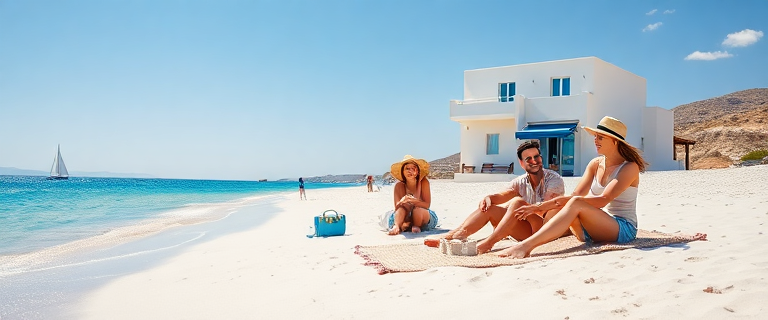
Planning a family-friendly Greek island escape? Naxos stands out for its broad beaches, welcoming towns, ancient ruins, and logistics that stay manageable for travelers with kids. This guide distills how to reach the island, where to stay, what to see, and practical tips tailored for families. Read on to understand why Naxos makes sense for a relaxed, well-rounded Greek island itinerary.
Why Naxos Stands Out Among the Cyclades
Naxos is widely appealing to families and travelers craving an authentic Greek experience without the heavy crowds of some rivals. Its advantages include:
First, the absence of cruise ships in its small towns preserves pleasant streets, keeps shops accessible to locals and visitors alike, and preserves a relaxed dining scene. This balance helps small businesses thrive and preserves a sense of everyday life that feels more Greek than touristy. The island’s strong sense of place is reinforced by local use of Greek in town centers, which adds to its charm and authenticity.
The airport and ferry port are conveniently located near Naxos Town (Chora), facilitating straightforward arrivals and departures that are walkable even with luggage. Naxos also offers a variety of experiences—interior villages, historic sites, and a vibrant food scene—without feeling overwhelming, so many highlights can be reached in a day without rush. And its position makes day trips easy, from Paros to Koufonisia, enabling island-hopping during a longer stay without devoting too many travel days.
Getting There: Flights, Ferries, and Transfers
The most practical routes to Naxos are by air from Athens or by ferry from Piraeus, Rafina, or nearby islands. A clear plan helps minimize backtracking and smooths the first leg of a family trip. Arriving by air or sea, aim to unpack in a comfortable home base close to Naxos Town for ease of daily life.
Flights: The straightforward option is a domestic flight from Athens to Naxos Island National Airport (JNX). Flight times are typically under an hour, with seasonal direct options from some European hubs. If you’re island-hopping, consider flying into a nearby hub (such as Mykonos or Santorini) and then ferrying to Naxos, exiting from Paros or Mykonos to minimize backtracking.
Ferries: The Athens–Naxos ferry typically takes about 3.5–6 hours, depending on the vessel. Ferries depart from Piraeus or Rafina, and you can combine with other islands on a single trip. For many travelers, ferry journeys are scenic, relaxed, and offer onboard amenities and ample deck space.
Booking tips: Reserve ferries well in advance during peak months, and consider options that avoid cruise-ship crowds at busy ports. Welcome pickup services or hotel transfers can simplify the first‑leg experience, especially when traveling with kids or luggage.
Whether you fly or ferry, the aim is a smooth start with a plan for a practical base. For families, staying near Naxos Town often makes daily life easier, with easy access to dining, the port, and key sights.
Where to Stay: Hotels, Accommodation Tips, and Budgeting
Naxos balances seaside convenience with traditional charm. One standout for families is the Nissaki Beach Hotel, a beachfront property at St. George Beach that keeps you close to the action while offering flexible room configurations and easy beach access. Practical notes from experienced readers and travelers include:
- Nissaki Beach Hotel: Known for family‑friendly layouts and direct beach access, with two rooms (207 and 208) commonly used by families. Breakfast can be ordered in advance, and the front beach is kid‑friendly for safe water play.
- Town vs. beach bases: For evenings in town with easy dining and shopping, base in Naxos Town (Chora) or nearby Agios Georgios. If your priority is beach time, Agios Prokopios or Agia Anna are excellent; you’ll likely rely on a car or frequent buses to reach Chora’s restaurants and sights.
- Alternatives: Other hotel options range from coast‑adjacent boutique properties to apartment‑style stays near Chora. Prices vary by season, and popular properties can book far in advance, especially late summer months when crowds thin and rates soften a bit.
For families planning ahead, book accommodations early—often months in advance for peak summer periods. If Nissaki Beach Hotel is full, consider properties in or around Naxos Town or along Agios Prokopios/Plaka that offer similar beach proximity and amenities.
Exploring Naxos: Beaches, Villages, and Historic Sites
Naxos combines long, welcoming beaches with pockets of ancient history. The following highlights are especially suited to family itineraries.
Top Beaches for Family Time
- Agios Prokopios: A premier beach with a long stretch of soft sand and clear water. It’s well organized with sunbeds and umbrellas, and serves as a solid base for families. A morning visit helps you enjoy calmer waters and nearby beach tavernas along the road behind the beach.
- Agios Georgios (Naxos Town): A very kid‑friendly shoreline next to the main town, featuring shallow water and easy access, with cafés and shops nearby for convenience.
- Plaka Beach: A long, tranquil beach with generous space and a relaxed vibe. It’s ideal for long strolls; nearby tavernas line the beach, though some areas are nudist‑friendly, so plan accordingly.
- Mikri Vigla: Famous for wind and water sports, with a sheltered southern area (Limanaki) suited to families and a northern area (Parthenos) favored by windsurfing and kitesurfing enthusiasts.
- Alyko Beach and Hawaii Beach: Remote coves shaded by cedar forests; perfect for quiet days with a picnic. Access is easier with a car.
Historic Sights and Heritage
- Portara (Temple of Apollo): A colossal marble doorway dating from the 6th century BC, visible from most of Naxos Town and a stunning sunset focal point from the harbor area.
- Temple of Demeter: Built around 530–520 BC, this marble temple near Sangri offers a window into ancient religious life. Hours can vary, so plan to maximize time there.
- Kouros of Apollonas: A monumental unfinished statue at a nearby quarry, one of the island’s most famous archaeological sights. A short walk from the road brings you close to the sculpture.
- Venetian Kastro: The old fortress district in Naxos Town, with winding streets and castle‑top views, ideal for an afternoon stroll after a beach morning.
Villages Worth a Scenic Detour
- Halki (Chalki): An inland village with neoclassical houses, galleries, and the Vallindras Kitron Distillery—an authentic taste of local life.
- Apiranthos: A marble‑paved, mountain village known for quiet lanes and museums; great for cafe hopping and exploration.
- Filoti: The largest interior village, set at the foothills of Mount Zas, with a lively central square and several tavernas.
Getting Around: Car Rental, Public Transport, and Practical Tips
Efficient movement around Naxos saves time and enhances family trips. The interior rewards a rental car, while KTEL buses cover the main town, beaches, and some villages.
- Car rental: Expect roughly €45–60 per day in peak season. A small car usually suffices; parking in Naxos Town can be tight in July and August, so edge lots and walking help. A car is particularly useful for Halki, Filoti, Apiranthos, the Temple of Demeter, Alyko, and the northern coast.
- Public transport: Buses connect Naxos Town with Agios Prokopios, Agia Anna, Plaka, and several inland villages. Tickets are purchased before boarding; the central KTEL station is at the port in Chora.
- Taxis: Helpful for airport or port transfers and late‑night trips; demand can surge in peak season, so consider booking ahead.
- Walking: The Chora waterfront and old town are best explored on foot, with narrow lanes and steps that add to the island’s charm.
Practical tip: If you base yourself in Naxos Town or Agios Georgios, you don’t need a car every day. Use buses for regular beach days and reserve a car for one or two interior days to explore Halki, Filoti, Apiranthos, and the Temple of Demeter.
Food & Dining: Family‑Friendly Restaurants and Local Cuisine
Naxos offers a warm, unhurried dining scene with generous portions and a strong emphasis on local ingredients. Family‑friendly dining is common, and tavernas welcome children. Here’s what to expect and some standout picks:
- Reservation etiquette: Shoulder seasons often don’t require reservations, but peak times reward a quick call or reservation to secure a spot at popular venues.
- Local dishes to try: Savor Naxian potatoes, graviera cheese, and daily‑caught seafood. Meze plates, tzatziki, taramasalata, and fresh grilled fish are staples, with local specialties such as patoudo (rooster in wine sauce) or Sefoukloti (local pie) appearing on some menus.
- Family picks: Nissaki Restaurant (at the hotel) for its beachfront setting and family‑friendly menus; Dal Professore for a blend of Naxian and Italian flavors; Oasis near the hotel; Naxian Capriccio along the harbor; Avaton 1739 for pre‑dinner drinks and sunset views; and Pizzadelia for easy pizza nights.
Evenings in Naxos Town offer lively dining streets with sea views, while Plaka and Agios Prokopios host many beachfront options for casual meals after a day on the sand. The relaxed tempo and outdoor seating make mealtime a pleasant part of the vacation rather than a logistical challenge for families.
Money Matters: Cash, ATMs, and Currency Tips
Greece remains cash‑driven in many small shops, tavernas, and markets, so plan to carry euros and use Greek ATMs to avoid conversion fees. Here’s how to navigate payments wisely:
- ATMs: Use machines affiliated with Greek or international banks to minimize dynamic currency conversion issues. Expect typical withdrawal fees of €1.80–€3.00, with some banks reimbursing fees.
- Payment currency: When paying by card, choose euros rather than your home currency to avoid unfavorable exchange rates. Some places offer cash discounts, and card machines can be down at peak times; carrying some cash is prudent for small purchases.
- Credit cards: Widely accepted at hotels, larger restaurants, and car rentals, but cash remains useful for buses, small tavernas, beach kiosks, and family‑run shops.
Regarding an International Driving Permit: Greek law requires an IDP alongside your national license to operate a vehicle. The legitimate option in the US is the International Driving Permit issued by AAA, not online vendors. Some online providers claim legitimacy, but readers often report mixed acceptance; when in doubt, obtain the permit before travel through AAA or another official channel. Carry your passport and driver’s license as well when renting a car.
Day Trips and Nearby Islands
Naxos serves as a convenient hub for exploring the Cyclades. Plan a balanced itinerary that keeps travel times reasonable while maximizing island experiences.
- Paros day trip: Paros lies about 45 minutes away by ferry. Dock in Parikia to explore the village’s shops, or take a short taxi to Naoussa for harbor views and lunch. Fast ferries make a late return feasible for a full day in Paros.
- Other nearby islands: Koufonisia, Amorgos, and Antiparos offer varied day‑trip options by boat or ferry, depending on weather and schedules. Multi‑island boat trips, spanning 7–10 hours, often include snorkeling and meals.
Note: Paros is the most straightforward add‑on from Naxos for a shorter hop, while more distant or specialized itineraries require planning for extra travel time.
Practical Tips, Common Mistakes, and Best Practices
These practical tips help families enjoy a smoother trip and avoid common missteps. Plan ferry tickets early when island hopping is on the agenda, and use Greek ATMs while paying in euros to minimize conversion fees. Reserve a rental car in advance if interior exploration or distant beaches are on your list. Avoid relying on cruise ships for your primary island experience; Naxos Town and beaches can be crowded in peak season, so consider alternate day plans or early starts to beat crowds.
Common pitfalls include assuming every beach is easy to reach without a car, underestimating interior driving distances, and trying to cram too many activities into a single day. A relaxed pace—especially with kids—helps you enjoy the island’s authentic rhythms rather than chasing a crowded schedule.
Suggested Itinerary: 4–5 Days in Naxos
Here’s a ready‑to‑use plan that balances beaches, historic sights, and village exploration, including a Paros day trip for a 4–5 day visit:
- Day 1: Arrive in Naxos Town (Chora), stroll the harbor, and watch Portara at sunset. Dine near the Kastro or Old Market.
- Day 2: Beach day at Agios Prokopios and Agia Anna, with lunch at a beach tavern and a sunset walk along the shore. Optional market stop in the afternoon.
- Day 3: Interior village circuit—Halki, Filoti, and Apiranthos. Enjoy olive oil tastings or small museums, followed by hillside lunch with Mount Zas views.
- Day 4: Paros day trip. Take the morning ferry (about 45 minutes) to Parikia; explore Naoussa or Parikia, and return by late afternoon.
- Day 5: A mix of beach time at Plaka or Alyko, plus a Portara sunrise stroll and a relaxed dinner in town to wrap up. If time allows, consider a short Mount Zas hike or a visit to the Kouros statues near Apollonas.
Flexibility helps. Swap a mountain‑village day for Halki and Apollonas if you prefer more interior time. If you want more beach time, base in Chora and scale back interior excursions or add an extra boat day to the Lesser Cyclades.
Frequently Asked Questions
- How many days should I stay in Naxos? A 4–5 day minimum is recommended for a balanced experience; a week allows deeper exploration of villages, hikes, and beaches.
- Do I need a car to explore Naxos? Not strictly if you base in Chora, but a car is very helpful for reaching interior villages, Mount Zas, and northern coves like Alyko.
- What is the best way to get to Naxos from Athens? Flying is the simplest, though ferries from Piraeus or Rafina are viable for those who prefer sea travel.
- What are the most family‑friendly beaches? Agios Georgios (town), Agios Prokopios, and Agia Anna are top choices with shallow water and easy access.
- How should I handle money on the island? Carry euros, use Greek ATMs, and plan cash needs for small markets and beach kiosks. Cards are widespread, but cash remains convenient for many vendors.
Final Thoughts: Is Naxos Worth It?
Yes. Naxos isn’t merely a fallback to Santorini or Mykonos; it’s a well‑rounded, family‑friendly island with generous beaches, mountain villages, ancient ruins, and a food culture rooted in local farms. Its slower pace, authentic atmosphere, and practical logistics make it an excellent base for first‑time visitors and seasoned travelers seeking a more authentic Greek island experience. Whether you linger in Naxos Town, roam the interior, or take a day trip to Paros, you’ll carry memories of sunlit shores, hill towns, and farm‑to‑table meals that feel authentically Greek.
To extend your Cyclades adventure, consider pairing Naxos with Paros or Koufonisia for a mix of busy harbor towns and secluded coves. If you’re curious about official travel resources, Visit Greece provides a broad overview of the region and its attractions.
External resource: For an overview of Greek destinations and travel tips, you may also see the Visit Greece site: Visit Greece.