Everything You Need to Know About Traveling from the Philippines to Thailand
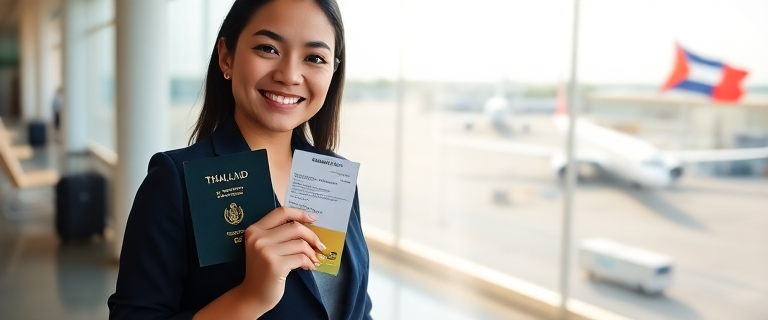
This updated travel guide walks Filipino travelers through the latest visa rules, entry requirements, COVID-related rules, long‑term options, and practical tips for a smooth trip from the Philippines to Thailand. It answers common questions—from whether a visa is needed to what insurance to buy and how to plan flights and daily budgets.
1. Visa Rules for Filipino Travelers
For tourism, Filipino passport holders typically enter Thailand visa‑free for up to 30 days. If you want to stay longer, you can extend your stay by up to 30 more days at a Thai immigration office, making 60 days available in many cases.
If your plans involve longer stays or non‑tourism purposes, you’ll need a visa in advance. Options include the Tourist Visa (60 days, extendable by 30 days), the 90‑day Special Tourist Visa (STV) with potential extensions that can bring in‑country residence to around nine months, and several long‑term pathways such as the Thai Elite Visa or various Non‑Immigrant categories (Non‑Immigrant B, O, ED, OA/OX, LTR, and others). For extended or more complex stays, pursuing one of these long‑term options through a Thai embassy, consulate, or reputable visa service is advisable.
Practical takeaway: visa‑free entry remains the default for tourism, with a local extension possible to 60 days. If you plan to work, study, or stay longer, research long‑term visa options well before departure.
2. COVID‑Related Entry Requirements (Post‑July 2022)
Since July 1, 2022, Thailand has relaxed most COVID‑era entry restrictions. Here’s how that affects Filipino travelers today:
- Vaccinated travelers: no pre‑departure test is required.
- Unvaccinated travelers: a RT‑PCR or Pro‑ATK (professional antigen) test taken within 72 hours before departure is still required before leaving the Philippines.
- Airlines and Thai immigration may perform random checks to verify vaccination status or test results.
- The Thailand Digital Arrival Card (TDAC) is optional; completing it can speed entry, and 90‑day reporting is generally not required for most travelers.
In short, post‑2022 rules emphasize practical documentation over health declarations. Always verify the current requirements close to your travel date, as policies can shift with public health developments.
3. Mandatory Travel Documents
Before you fly, assemble the documents Thai officials may request at the border to avoid delays. A typical list includes:
- Passport with at least six months validity beyond your planned departure from Thailand.
- Proof of accommodation (hotel booking confirmation or the address where you will stay).
- Flight itinerary or return/onward travel ticket.
- Travel insurance (recommended; many travelers opt for providers such as AXA Thailand or similar).
- Vaccination record (if you are vaccinated).
- COVID‑19 test result (if unvaccinated) showing a negative result within 72 hours before departure.
- Proof of sufficient funds if requested: 20,000 THB per person or 40,000 THB per family, or an equivalent amount in other funds.
Additional tips: digital copies are commonly accepted, but carrying physical copies can speed processing in some cases. Always carry printouts or screenshots of hotel bookings, flight details, and insurance certificates in case officers request them.
4. Long‑Term Visa Options for Extended Stays
If you anticipate staying beyond 60 days, a long‑term visa is necessary. Several pathways exist depending on your plans:
- Thai Elite Visa: offers terms of 5, 10, or 20 years with privileges designed for long‑term visitors and residency‑minded travelers.
- Tourist Visa (60 days) with possible 30‑day extension via a Thai embassy or immigration office, if eligible.
- Special Tourist Visa (STV): designed for longer stays (up to around nine months with eligible extensions), though availability has varied over time.
- Non‑Immigrant categories: Non‑Immigrant B (business/employment), O (visiting family), ED (education), OA/OX (retirement), and other long‑stay options. Eligibility, documentation, and processing differ by category and consulate.
Practical note: for extended stays or frequent re‑entries, many travelers consult agencies or legal specialists to navigate documentation, meet requirements, and optimize visa timing. If you’re considering repeated visits or a long‑term plan, research and budgeting for a long‑term route early is wise.
Important reminder: always verify details with the Royal Thai Embassy or Consulate and official Thai immigration resources before applying, as rules and processing times can change.
5. Practical Travel Logistics
Flights, Prices, and Getting There
Direct international flights from the Philippines to Thailand are widely available from Manila and Cebu. Direct flight durations are typically around 3.5–4 hours, depending on route and weather.
Airfares vary, with lower fares often found during the June–July window when demand is lighter. Common direct routes include Manila to Bangkok or Chiang Mai, with carriers such as Thai Airways, Philippine Airlines, Cebu Pacific, and others offering options. For flexible pricing and connections, many travelers consider carriers with layovers that fit their schedule and budget (e.g., Singapore Airlines, Scoot).
Helpful tip: monitor flight‑pricing with comparison tools and check multiple Thai destinations (Bangkok’s Suvarnabhumi and Don Mueang, Phuket, Chiang Mai) to maximize options for your itinerary.
On‑Ground Arrangements: Connectivity, Money, and Payments
- Connectivity: reliable internet is essential for maps, translation, and staying connected. An eSIM such as Airalo’s Thailand plans is popular for instant setup, managing data in baht, and keeping your Philippine SIM active for OTPs. Plans range from 1 GB to unlimited data, with straightforward QR code activation and competitive daily rates.
- Money: the Thai baht (THB) is the local currency. Cards are accepted in many upscale venues, but cash remains important in markets, street stalls, and rural areas. ATMs are widely available but often dispense large denomination notes. Consider breaking larger notes where practical and be mindful of exchange rates.
- Payments: credit cards are widely accepted in hotels, malls, and major restaurants. Daily expenses in smaller vendors often require cash. Digital wallets and PromptPay are common locally, but travelers typically use a mix of cash and cards for convenience.
Direct Travel Tips for Manila to Thailand
- Documentation: ensure your passport is valid for at least six months, carry TDAC details if you plan to use TDAC, and have digital or printed copies of travel and accommodation proofs ready.
- Insurance: travel insurance is strongly recommended even though not mandatory for entry. It supports medical emergencies, trip disruptions, baggage issues, and can facilitate smoother interactions with Thai authorities if questions arise.
- Funds and proof: be prepared to show funds if requested. The typical threshold is 20,000 THB per person or 40,000 THB per family, in cash or demonstrable financial means.
- TDAC: optional but can speed entry. Keep a copy on your phone and a printed version if possible, as some officers may request it for faster processing.
6. Travel Insurance: Why It Matters
Travel insurance is not an entry requirement, but it is a practical safety net for international trips. A solid policy covers medical emergencies, trip delays, lost luggage, and other unforeseen events. For Thailand, many travelers prefer AXA Thailand’s travel insurance for its recognized coverage and streamlined documentation. Benefits commonly highlighted include:
- Comprehensive medical coverage, including emergencies and hospital care.
- Coverage for trip delays, interruptions, and lost or delayed baggage.
- COVID‑related coverage in many plans, which provides peace of mind in uncertain situations.
- A one‑page certificate of insurance that simplifies communicating with medical providers or immigration if needed.
Practical guidance: purchase a policy before departure and carry proof of insurance (digital or printed). Review policy details to understand coverage for medical expenses, evacuation, and pre‑existing conditions if applicable. Ensure the plan offers direct access to Thai medical facilities or a clear claims process, especially if you’re not a Thailand resident.
7. Common Pitfalls and How to Avoid Them
Avoid common mistakes that can delay or complicate entry:
- Missing hotel or accommodation confirmation when immigration asks for it.
- Assuming no proof of funds is needed; immigration can request evidence of funds in some cases.
- Forgetting to complete the TDAC (if your pattern or airline requires it) or failing to carry proof of TDAC on arrival.
- Neglecting digital copies or physical backups of essential documents (passport, tickets, insurance, hotel bookings).
8. Quick Reference Checklist
- Passport validity: at least six months remaining.
- Visa status: visa‑free entry for tourism (up to 30 days); plan for extension or long‑term visa if staying longer.
- COVID tests/vaccination: vaccinated travelers face no pre‑departure test; unvaccinated travelers need a 72‑hour pre‑departure RT‑PCR or Pro‑ATK test.
- Documents: flight itinerary, hotel bookings, insurance certificate, vaccination record (if vaccinated), and proof of funds if requested.
- Insurance: purchase travel insurance with clear coverage details.
- Funds proof: 20,000 THB per person or 40,000 THB per family, or equivalent funds if requested.
- Flight and hotel bookings: keep confirmations handy.
- TDAC: complete if planning to use the TDAC route for smoother entry.
9. Frequently Asked Questions
- Do Filipino travelers need a visa to visit Thailand?
- Generally no for tourism: Filipinos can enter Thailand visa‑free for up to 30 days. If you plan a longer stay or a non‑tourism purpose, you’ll need to explore a visa route (Tourist Visa, STV, Elite Visa, or other long‑term options).
- Are COVID tests required for entry?
- Vaccinated travelers do not need pre‑departure tests. Unvaccinated travelers must present a RT‑PCR or Pro‑ATK test result taken within 72 hours before departure. Random checks may occur at entry.
- What proof of funds is required?
- Immigration can request proof of funds: 20,000 THB per person or 40,000 THB per family, or an equivalent amount. It may not be checked every time, but it’s wise to be prepared.
- What is the Thai Digital Arrival Card?
- The TDAC is an optional digital arrival form that can streamline entry. Availability and requirements can change, so check current guidance before you travel.
- What are the benefits of travel insurance?
- Insurance helps with medical emergencies, travel delays, lost luggage, and other unforeseen events. It is widely recommended and can ease interactions with medical facilities in Thailand.
For official guidance, consult Thai embassy and government resources as authoritative sources for visa options and entry rules. A reliable starting point is the Royal Thai Embassy in Manila or Thailand’s official immigration pages.
In summary, traveling from the Philippines to Thailand today is designed to be straightforward for tourism. You can enter visa‑free for up to 30 days and stay up to 60 days with a local extension. If your plans require longer stays or different activities, long‑term visas offer viable pathways. COVID‑related restrictions are largely relaxed for fully vaccinated travelers, while unvaccinated travelers simply need to meet testing requirements. With careful planning—document readiness, a solid travel insurance plan, and clear flight/hotel arrangements—you can enjoy a smooth, enjoyable trip to the Land of Smiles.
Safe travels, and for a quick start on the move, consider preparing the TDAC, securing travel insurance, and lining up flight options from Manila or other Philippine airports to Bangkok, Chiang Mai, Phuket, or other Thai destinations.
External reference for official visa and entry information: Thailand E‑Visa and Entry Information