Why outdoor play matters
Outdoor time supports physical health, curiosity, creativity, and cognitive development. It helps kids burn energy, explore with their senses, and practice problem-solving in real-world settings. Bringing activities outside can also make daily routines feel fresh and engaging, especially when you’re aiming for quick, low-prep options that fit around daily rhythms.
How to use this list
The ideas below are designed for rapid selection when time is tight. Each activity is chosen for minimal planning and strong engagement, with plenty of room to adapt to your space and your child’s interests. To keep decisions clear, you’ll find practical notes embedded in each activity: who it’s best for, how long it typically takes, and why it’s valuable for your child. If you’re short on outdoor space, many activities work well in yards, balconies, parks, or sidewalks with a few simple adaptations.
No yard? No problem
Many ideas work in small spaces. For apartment dwellers or homes without a private outdoor area, try sidewalk chalk drawings, balcony birdwatching, a park scavenger hunt, or stargazing from a rooftop or balcony. The core principle is that imaginative, curiosity-driven play can happen anywhere with a tiny amount of space and a pinch of creativity. If it helps, adapt activities to nearby parks or community spaces and view outdoor time as a portable, flexible routine rather than a fixed location.
Seasonal ideas at a glance
Beyond daytime play, you’ll find quick options tailored to weather and light. For summer, consider water-friendly activities and shade-friendly explorers. For winter, simple outdoor challenges—like snow forts or snow painting—keep kids moving and curious. If you’re in between seasons, many activities can be adapted with light gear and a flexible schedule.
Nighttime Adventures
Evening hours open up different kinds of engagement. Try stargazing with a simple sky map, flashlight tag in a safe outdoor area, catching fireflies where legal and safe, or tracking the moon’s phases. Keep descriptions brief and low-prep so you can start quickly after dinner or during a warm summer evening.
50 Quick Outdoor Activities for Kids
Have a pirate treasure hunt
Dress-up if you have pirate gear, bury or hide a “treasure,” draw a treasure map, and head outside to hunt. This engages imagination and gentle problem-solving as kids follow clues to find the prize.
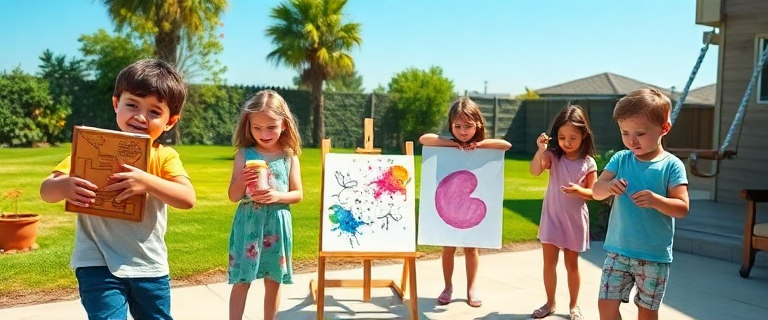
Paint a picture outside
Move painting outdoors to reduce indoor mess. An outdoor easel helps transport supplies and sparks inspiration from natural surroundings.
Trace different tree leaves
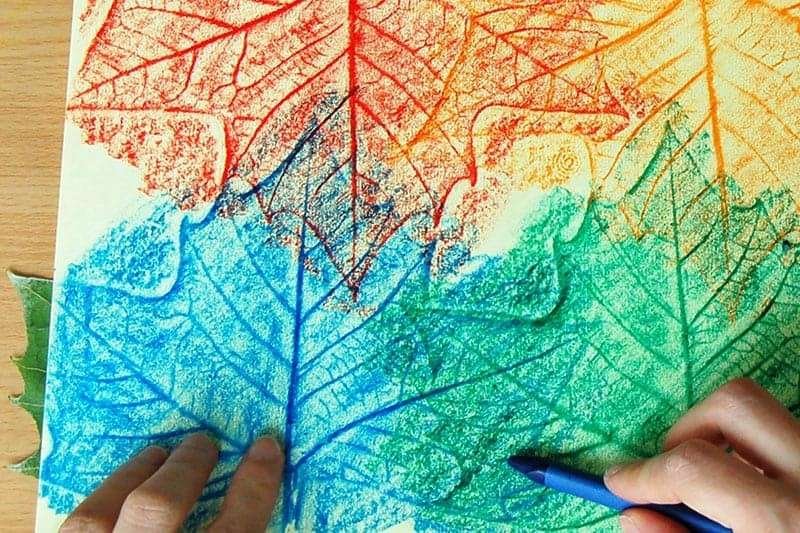
Collect varied leaves around the yard or neighborhood before they turn crunchy. Trace them on paper with crayons to explore patterns and textures, then consult a tree-focused reference book for extra learning.
Search for/collect insects
Grab a jar or bug catcher and explore the yard for diverse critters, encouraging curiosity about living things and habitats.
Read a book outside
Move a favorite outdoor read to a blanket or hammock so reading becomes a fresh outdoor activity that still feels cozy and comforting.
Build a fort
Use natural materials or blankets and porch furniture to construct a pretend shelter. A fort kit can extend the activity if you have one.
Swing
Classic outdoor swinging offers sensory feedback and simple motion—perfect for little ones seeking repetitive, soothing play.
Do some yard work
Kids can help with tasks like pruning, raking, or tidying; offering a small reward can boost motivation and teach responsibility.
Take care of the garden
Water, weed, and harvest together. A child-friendly garden tool kit can help them feel involved and confident.
Go for a bike ride around the neighborhood
Keep it simple or explore new nearby spots to keep the ride fresh and engaging.
Play dress up in the yard
Costumes spark hours of imaginative play and storytelling outdoors.
Dig for worms
Digging for worms offers tactile exploration; kids sometimes enjoy keeping captured worms as temporary “pets.”
Go on a nature scavenger hunt
Try an open-ended hunt or use free printables for item-specific goals, encouraging observation and collection skills.
Make a nature rainbow collage
Gather natural materials to assemble a bright rainbow collage, combining creativity with an eye for color and texture.
Make mud pies
Set up a mud kitchen in the yard for hours of messy, imaginative play with seasonally changing ingredients.
Have an outdoor tea party
Use a tea set or kitchen items to serve simple snacks outdoors, with stuffed animal guests optional for added whimsy.
Have a campfire “party”
Imaginative play around a pretend fire, roasting marshmallows, and sharing stories enhances outdoor storytelling and cozy bonding.
Have an outdoor concert
Bring instruments outside and encourage kids to perform for family members; a little friendly audience can boost confidence and creativity.
Blow bubbles
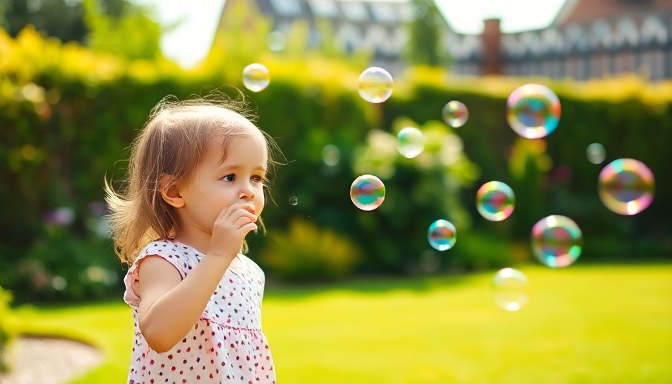
Bubble play is simple, calming, and endlessly entertaining for young children as they chase, pop, and experiment with the shapes.
Play a sport
Use available equipment to kick, throw, or bat a ball; adapt rules to fit space and skill level, from casual toss to structured drills.
Make mud faces on trees
Press mud onto bark to form playful faces, turning bark textures into a temporary outdoor artwork.
Start a rock collection
Collect interesting rocks, observe colors and textures, and explore ways to categorize by size, color, or type.
Draw with chalk
Sidewalk chalk invites large-scale drawing, roads for bikes, and playful scenery that can evolve with the day.
Make something out of boxes
Boxes become forts, houses, robots, or vehicles; kids can paint, cut, and connect pieces to build imaginative creations.
Mix up potions
Simple pretend chemistry with water, food coloring, and safe household items fosters exploratory play and experimentation.
Search for wildlife tracks/signs
Look for animal signs and track patterns, cultivating observation and scientific thinking.
Tell stories and roast food around a fire
Share stories near a controlled fire or pretend fire, combining storytelling with a cozy, social outdoor moment.
Make and hang up bird feeders
Craft bird feeders and place them where kids can observe birds, helping them learn about local wildlife and responsibility.
Learn about tree rings
Count growth rings using stumps or a printable guide to explore how trees grow over time and what they reveal about history.
Play in the sprinkler
A classic cooling activity that blends water play with movement and laughter.
Have a carwash
Wash your car or bikes together, turning cleaning into a cooperative outdoor activity with a practical outcome.
Use a field guide to identify plants in your yard
Learn together what grows around you, including the benefits of certain plants and identifying potentially poisonous or invasive species.
Fly a kite
A windy day and open space are all you need for a simple flight and science of wind and lift.
Have a picnic
Spread a blanket and enjoy snacks outdoors, making meals a little adventure in the fresh air.
Pick up trash around the neighborhood
Turn cleanup into a mission that teaches environmental stewardship and civic responsibility.
Build a clothesline tent
A simple, cozy fort built from clotheslines or similar materials that invites shade and storytelling.
Create an obstacle course
Use available materials to design a course with jumping, climbing, crawling, and imaginative “lava floor” moments for fun and fitness.
Do a science experiment
Head outdoors for messy experiments like baking-soda volcanoes or gemstone digs; National Geographic kits and similar options can extend the learning.
Play classic yard games
Tag, hide-and-seek, Simon Says, red rover, capture the flag—easy games that bring families together outside.
Put on a play
Dress up, perform a short outdoor show, and encourage kids to express creativity in a social setting.
Set up a hammock
Relax, read, or swing gently in a hammock for a calm outdoor moment.
Climb a tree
Tree climbing can be a safe, supervised way to build confidence and motor skills.
Find shapes in the clouds
A simple, calming activity that sparks observation and imaginative storytelling as clouds drift by.
Volunteer to walk someone’s dog
Walking a dog provides outdoor time, responsibility, and fresh air for kids without a pet of their own.
Make a nature mobile
Assemble a hanging display from collected natural objects for a simple craft that celebrates outdoor discoveries.
Build fairy homes with nature
Craft tiny homes for fairies or imaginary friends using natural materials found outdoors.
Play with a remote control car in the driveway
Drive RC cars around the driveway or yard—an engaging way to practice coordination and focus.
Investigate with a homemade nature explorer kit
Put together a simple kit with magnifying glass, jars, field guides, and a notebook to discover the natural world.
Have a water balloon fight
Water balloon toss or battles are a quick, refreshing way to beat the heat and giggle together.
Film a movie (outside)!
Give kids a camera or smartphone and invite them to create a short outdoor film with a character theme, encouraging creativity and collaboration.
Practical tips across activities
To help you implement quickly, consider these quick cues: label activities by simple time estimates, adapt difficulty by child choice, and keep a rotating set of “go-to” ideas in a jar or checklist. For reluctant or easily bored kids, let them choose first, set a short timer (start with 10 minutes), or combine outdoor time with a favorite indoor activity, like reading outside. Mix in a no-prep option with a nearby park stroll or a spontaneous nature scavenger walk when time is tight.
Safety reminders tailored to activity types
While the list emphasizes low prep, safe outdoor play remains essential. For water play, supervise closely and apply sunscreen. For exploration, check for ticks after playing in tall grass. For biking or climbing activities, use appropriate protective gear and supervise young children near traffic and uneven surfaces. Hydration matters in heat, so keep water accessible during longer sessions. If you introduce tools or crafts, supervise use of scissors or sharp objects and store equipment safely after play.
Essential tools and kits to have on hand
Keep a compact outdoor kit ready: a small shovel, magnifying glass, binoculars, a field guide or two, a flashlight, jars, a notebook, colored pencils, string, ribbons, a basket, and a bucket. These items support many activities—from nature hunts and observation to crafts and messier experiments—and help reduce preparation time.
Conclusion
With these quick, low-prep outdoor activities, you can spark curiosity, creativity, and physical activity in minutes. Use a mix of daytime and nighttime ideas, adapt for small spaces, and incorporate seasonal variations to keep kids engaged. The goal is to help families spend meaningful time outside, develop new skills, and build lasting memories—whether you have a yard, a balcony, or just a park nearby.